

1992-1993 Dodge D150 Fuel Pressure Regulator: A Comprehensive Guide
Keep your classic Dodge D150 running strong by understanding and replacing your fuel pressure regulator.
- The fuel pressure regulator is on the throttle body, making it easy to access and replace.
- Key symptoms of failure are black smoke, hard starts, and a raw fuel smell from the vacuum line.
- There are no recalls for this part; failure is due to age and wear.
- An affordable aftermarket replacement is a practical and effective solution for this repair.
Is Your D150's Fuel Pressure Regulator Failing?
A bad fuel pressure regulator on your Dodge D150 can cause a range of frustrating and noticeable engine problems. Because it's the gatekeeper for your engine's fuel supply, any failure directly impacts how your truck runs. If you're experiencing the issues below, your regulator might be the culprit.
Symptoms of a Bad Fuel Pressure Regulator
The most common sign of failure is a torn internal diaphragm. This allows raw fuel to leak directly into the vacuum line connected to it. You can often diagnose the problem just by checking this vacuum hose for the presence or smell of gasoline.
🎬 Watch this guide to testing your fuel pressure regulator's vacuum line.- Black Smoke from Exhaust: When raw fuel leaks into the vacuum line, it causes the engine to run extremely rich. This unburned fuel is pushed out the tailpipe as black smoke.
- Hard Starting: A faulty regulator can fail to hold pressure when the engine is off. This allows fuel to drain back to the tank, meaning the fuel pump has to re-pressurize the system every time you start the truck, leading to long crank times.
- Rough Idle and Stalling: Incorrect fuel pressure, whether too high or too low, disrupts the delicate air/fuel mixture. This can cause your truck's engine to idle poorly, surge, or even stall.
- Poor Acceleration: When you step on the gas, your engine needs more fuel. A failing regulator can't respond correctly, leading to hesitation and a lack of power. 🎬 Learn more about the common symptoms of a failing regulator.
- Decreased Fuel Economy: An engine running rich from a leaking regulator will burn significantly more fuel than normal.
Aftermarket Fuel Pressure Regulator Cost: 1992-1993 Dodge D150
| Part Type | Price Range |
|---|---|
| New Aftermarket Regulator | $23.55 - $40.00 |
| Shop Labor | $60 - $120 |
Choosing the Right Aftermarket Part
For a vehicle like the 1992-1993 D150, new OEM parts from Mopar are often discontinued or very hard to find. The aftermarket is your most reliable source. The "Replacement" brand offers a cost-effective solution that meets the original specifications for your truck. Given the straightforward, mechanical nature of this part, a standard aftermarket replacement is a practical and reliable choice for restoring performance. Brands like Standard Motor Products and Delphi are also available and are considered dependable options.
Pro Tip: Replacing the fuel pressure regulator is a simple, DIY-friendly job. It is located on the throttle body at the top of the engine and is held in by a clip, making it easily accessible for a quick swap.
Frequently Asked Questions (FAQ)
Where is the fuel pressure regulator located on a 1992-1993 Dodge D150?
The fuel pressure regulator is mounted on the back of the throttle body assembly. The throttle body sits on top of the engine's intake manifold. You will see a small vacuum line attached to the regulator.
Can I replace the fuel pressure regulator myself?
Yes, this is a very DIY-friendly job for someone with basic tools and mechanical skills. The process involves relieving the fuel system pressure, removing a clip, and swapping the old part for the new one. Its location on top of the engine makes it much easier to access than in-tank designs.
Are there any recalls for the D150 fuel pressure regulator?
No, there are no specific NHTSA recalls or Technical Service Bulletins (TSBs) for the fuel pressure regulator on the 1992-1993 Dodge D150. Any issues you experience are typically due to the age and normal wear of the original part.
What happens if I don't replace a bad fuel pressure regulator?
Continuing to drive with a failed regulator can lead to several problems. A rich running condition can foul your spark plugs and oxygen sensor, leading to more expensive repairs. Poor performance and stalling can be a safety hazard, and your truck will not pass an emissions test.
Helpful Videos

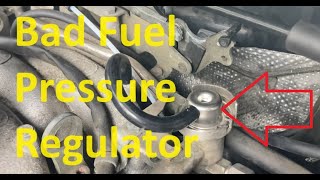
Technical Specifications
Location: Throttle Body Mounted. System Type: Throttle Body Injection (TBI). Operating Pressure: ~14.5 PSI

The information in this article is provided for general reference and educational purposes only. Vehicle specifications, procedures, and part compatibility can vary by production date, trim level, and region. Always consult your vehicle's factory service manual and verify part numbers before purchasing or performing repairs. Safety-critical components such as airbags, seat belts, and braking systems should be installed by a qualified professional.
- Dodge D150: