

GMC Typhoon Engine Coolant Temperature Sensor Guide (1992-1993)
A bad coolant temperature sensor can cause major performance issues in your Typhoon's 4.3L turbo engine.
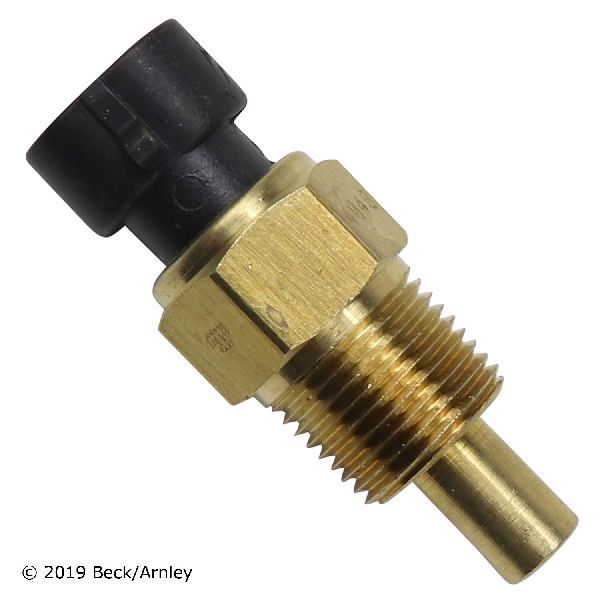
- The Typhoon has two temp sensors; ensure you are replacing the two-wire ECT sensor for the ECU, not the single-wire gauge sender.
- Symptoms of failure include poor MPG, black smoke, rough idle, and overheating.
- For a critical sensor on this turbocharged engine, using a high-quality brand like ACDelco, Delphi, or NGK is strongly recommended.
- Replacement is an easy DIY job, but be prepared to lose a small amount of coolant and top it off afterward.
Is Your Typhoon Running Rich or Idling Rough? It Could Be the ECT Sensor.
The Engine Coolant Temperature (ECT) sensor is a small but vital part of your 1992-1993 GMC Typhoon. It tells the engine's computer how hot or cold the engine is. This information is used to control everything from the fuel mixture to the ignition timing. When it fails, it can cause a wide range of problems, from poor performance to a no-start condition. Because the Typhoon has a complex turbocharged engine, a faulty ECT sensor can have more noticeable effects than on a standard vehicle.
Important: ECU Sensor vs. Gauge Sender
Like many GM vehicles from this era, your Typhoon has two separate temperature sensors. The one this guide focuses on is the Engine Coolant Temperature (ECT) sensor for the ECU. It has a two-wire connector and is typically located on the front of the intake manifold, near the thermostat housing. There is a second, separate, single-wire sensor called the temperature sender, which is usually located on the cylinder head. This second sensor's only job is to operate the temperature gauge on your dashboard. It's common to replace the wrong sensor, so be sure you are replacing the two-wire ECT sensor if you have the symptoms listed below.
Symptoms of a Failing ECT Sensor
A bad ECT sensor can trick the ECU into thinking the engine is always cold or always hot. This leads to incorrect adjustments and noticeable problems.
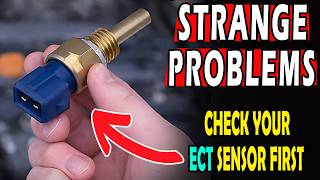
🎬 Watch this to see other unexpected symptoms of sensor failure.- Poor Fuel Economy & Black Smoke: If the sensor fails and sends a permanent "cold" signal, the ECU will enrich the fuel mixture, dumping more gas than needed. This wastes fuel and can cause black smoke to come from the exhaust.
- Check Engine Light: A faulty sensor will often trigger a Check Engine Light. For these pre-OBD-II trucks, this would be a Code 15.
- Rough Idle and Stalling: The wrong fuel and timing adjustments can cause the engine to idle poorly, hesitate, or even stall.
- Hard Starting: The ECU relies on the ECT sensor for cold-start enrichment. If the signal is wrong, the engine may be difficult to start, especially when cold or hot.
- Engine Overheating: In some cases, a failed sensor can prevent the electric cooling fans from turning on when they should, leading to overheating.
Choosing the Right Aftermarket Sensor
For a performance vehicle like the Typhoon, the accuracy of the ECT sensor is critical. While many budget-friendly options are available, investing in a quality part is recommended to avoid driveability issues.
Brand Quality Tiers
- Tier 1 (OEM & Premium Aftermarket): ACDelco (the original GM part), Delphi, and NGK (NTK). These brands are known for their reliability and precise manufacturing. For a critical sensor like the ECT, choosing from this tier is the safest bet for your Typhoon's performance and health.
- Tier 2 (Reputable Aftermarket): Standard Motor Products, Beck Arnley, and Hella. These are well-known aftermarket brands that offer a good balance of quality and value. They are generally reliable choices for most repairs.
- Tier 3 (Economy): Brands like Four Seasons, Holstein, and other private labels fall into this category. While they are the most affordable, their consistency and longevity can be a gamble. They might work fine, but for a critical sensor on a turbocharged engine, it's often worth spending a few extra dollars for a Tier 1 or Tier 2 part.
Pro Tip: Consider the Connector
After decades of heat cycles, the plastic connector for the ECT sensor can become brittle and break when you try to unplug it. Inspect it carefully. If it looks cracked or fragile, it's a good idea to have a replacement connector pigtail on hand before you start the job.
Cost of Replacing a 1992-1993 GMC Typhoon ECT Sensor
| Part Type | Estimated Cost |
|---|---|
| New Aftermarket Part | $12.58 - $37.74 |
| New OEM (ACDelco) Part | $22 - $40 |
| Shop Labor | $60 - $90 |
| Total (DIY) | $13 - $40 |
| Total (Professional) | $75 - $130 |
Note: The RepairPal estimate of $444-$504 appears to be an outlier and may include other services or be based on incorrect labor times; our estimate reflects a standard 0.5-0.75 hour labor charge.
Frequently Asked Questions
Where is the ECT sensor located on the 1992-1993 GMC Typhoon?
The main Engine Coolant Temperature (ECT) sensor that communicates with the ECU is a two-wire sensor located on the front of the intake manifold, near the thermostat housing. Do not confuse it with the single-wire temperature sender for the dashboard gauge, which is typically located on the driver's side cylinder head between the spark plugs.
Is replacing the ECT sensor a difficult DIY job?
No, it is a relatively easy job for a DIY mechanic. It involves unplugging the electrical connector and unscrewing the sensor. The main challenge is minimizing coolant loss. Having the new sensor ready to screw in immediately after removing the old one can help significantly. The job typically takes less than 30 minutes.
🎬 See how to replace the sensor on a GM engine.Do I need to drain the coolant to replace the sensor?
You do not need to fully drain the cooling system. However, the sensor is located below the coolant level, so some coolant will spill out when you remove it. To minimize loss, have the new sensor and some thread sealant ready. Work quickly to swap the sensors. You will need to top off the coolant afterward and check for air pockets in the system.
Should I use thread sealant on the new sensor?
Yes. Most new sensors come with a thread sealant pre-applied. If yours does not, it is a good practice to apply a small amount of Teflon thread sealant or tape to the threads to ensure a leak-free seal.
Are there any recalls for the ECT sensor on the GMC Typhoon?
No, there are no specific recalls or technical service bulletins (TSBs) from GMC or the NHTSA for the engine coolant temperature sensor on the 1992-1993 GMC Typhoon.
Helpful Videos
Technical Specifications
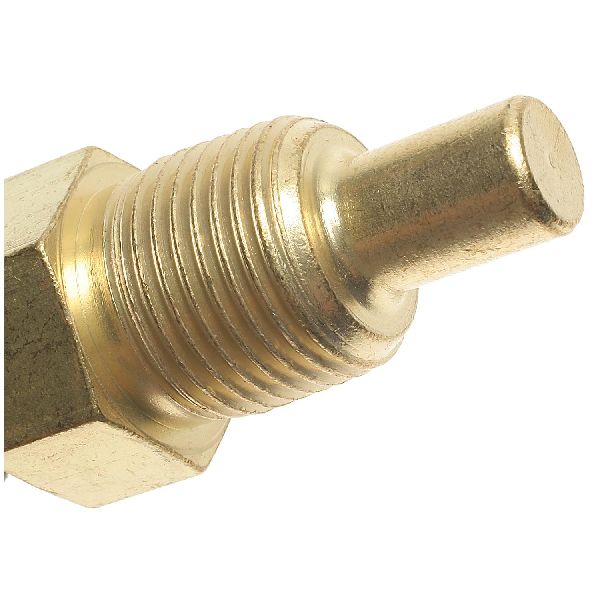
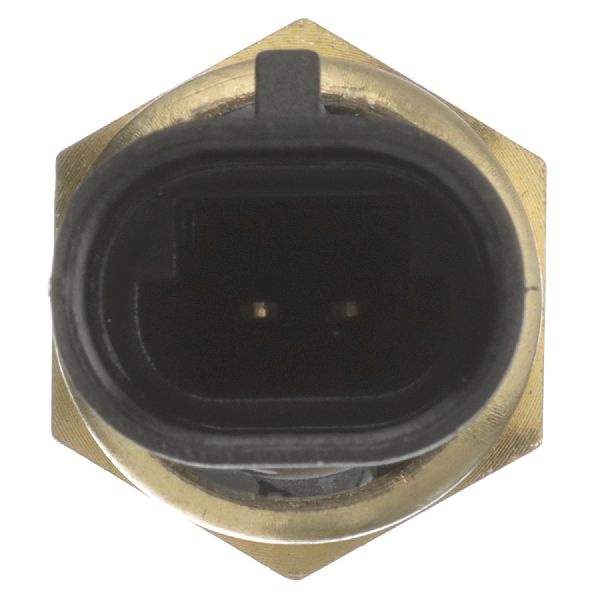
OEM Part Numbers: 15326386 213-928
Thread Size: 3/8-18 NPT, Connector: 2-Pin Blade
We Have This Part in Stock


The information in this article is provided for general reference and educational purposes only. Vehicle specifications, procedures, and part compatibility can vary by production date, trim level, and region. Always consult your vehicle's factory service manual and verify part numbers before purchasing or performing repairs. Safety-critical components such as airbags, seat belts, and braking systems should be installed by a qualified professional.
- GMC Typhoon:
- 🎬 Helpful Videos
- 🛍️ Shop This Part
- Is Your Typhoon Running Rich or Idling Rough? It Could Be the ECT Sensor.
- Important: ECU Sensor vs. Gauge Sender
- Symptoms of a Failing ECT Sensor
- Choosing the Right Aftermarket Sensor
- Brand Quality Tiers
- Pro Tip: Consider the Connector
- Cost of Replacing a 1992-1993 GMC Typhoon ECT Sensor
- Frequently Asked Questions
- 🎟️ Get 5% Off