

Choosing the Best Spark Plugs for Your 1992-1996 Acura Integra
Keep your Integra's B-series engine running smoothly with the right set of spark plugs.
- For best results and reliability, use aftermarket spark plugs from the OEM suppliers, NGK or Denso.
- Replacing spark plugs is a simple, fast, and affordable DIY job that can solve many common engine running issues.
- Always check and adjust the spark plug gap before installation; do not assume it is correct out of the box.
- Ensure you buy the correct part number for your specific Integra model (LS/RS/GS vs. GS-R), as they require different plugs.
Signs of Failing Spark Plugs in Your Integra
When your spark plugs are worn out, your Integra's performance will suffer. These engines are known for being smooth and reliable, so symptoms are often easy to spot. You might notice one or more of these signs:
- Rough Idle: Your car may shake or vibrate more than usual when stopped at a light.
- Engine Misfires: You might feel a hesitation or stumbling during acceleration. This can trigger the Check Engine Light, often with codes P0300, P0301, P0302, P0303, or P0304.
- Reduced Fuel Economy: If you're filling up your gas tank more often, failing spark plugs could be the cause. Worn plugs lead to inefficient fuel burning.
- Difficulty Starting: A weak spark can make it harder for the engine to turn over, especially when cold.
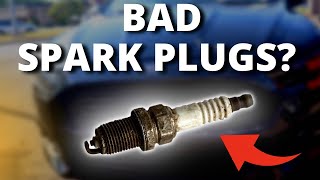
- Sluggish Acceleration: If your Integra feels slower or less responsive than it used to, worn plugs aren't providing the spark needed for full power. 🎬 Watch: See these 5 alarming signs of bad spark plugs.
Don't Ignore Misfires
Driving for too long with a misfiring engine can be harmful. Unburnt fuel can escape into the exhaust and damage your catalytic converter, which is a much more expensive repair than changing spark plugs.
Choosing the Right Aftermarket Spark Plugs
For the 1992-1996 Acura Integra, the choice is straightforward. The original parts were made by NGK and Denso, and these brands are widely available in the aftermarket. For this specific car, there is almost no difference in quality between an "OEM" plug from the dealer and a new aftermarket plug from NGK or Denso. Enthusiast forums and mechanics overwhelmingly agree: sticking with these two brands is the best choice for reliability and performance.
Brand & Material Tiers
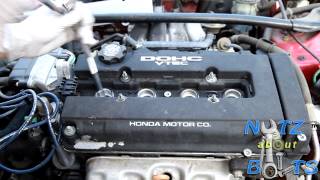
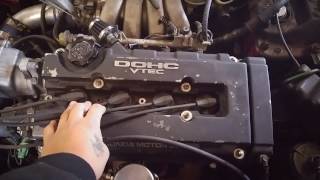
Your Integra came with specific plugs depending on the engine model (B18B1 in LS/RS/GS 🎬 See this DIY spark plug replacement for the B18B1 engine. vs. B18C1 in GS-R 🎬 Watch: Step-by-step spark plug replacement for the Integra GS-R.). It's crucial to use the correct part number for your engine.
Tier 1: OEM-Equivalent (Highly Recommended)
- Brands: NGK, Denso.
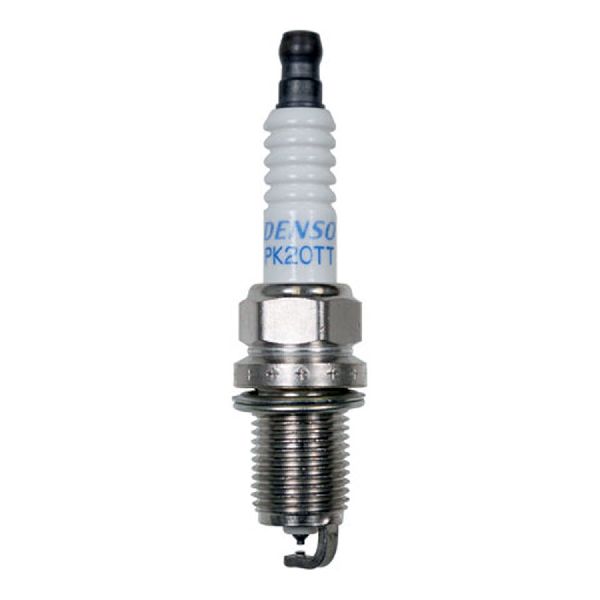
- Why: These are the original suppliers for Honda/Acura. They are engineered specifically for the performance characteristics of your engine. Using the recommended NGK or Denso plugs provides the best reliability and performance without any guesswork. They are available in standard copper/nickel, platinum, and iridium versions.
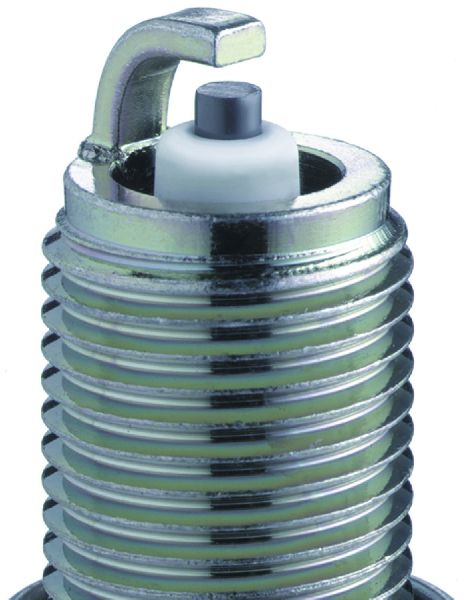
- For Most Owners: The standard NGK V-Power (copper) plugs are an excellent, affordable choice that matches original performance. They just need to be changed more frequently. Platinum or Iridium plugs from NGK or Denso offer a longer service life.
Tier 2: Reputable Aftermarket
- Brands: Bosch, Autolite, Champion.
- Why: These are well-known brands that make quality parts. A correctly cross-referenced plug from one of these brands will work. However, the consensus in the Integra community is that the B-series engines are noticeably smoother and more reliable with NGK or Denso plugs. They can be a good budget option if the Tier 1 brands are not available.
Tier 3: Performance & Economy Brands
- Brands: Accel, MSD, Skyward.
- Why: Brands like Accel and MSD are marketed towards performance and racing, which is unnecessary for a stock or lightly modified engine. Economy brands may not meet the precise heat range and durability requirements of your Integra's engine. It's generally recommended to avoid this tier unless you have a specific, highly-modified engine build and are following a tuner's advice.
A Note on Plug Materials
Copper/Nickel (Good): Excellent performance, great value. Shorter lifespan (replace every 15,000-30,000 miles). The NGK V-Power is a popular copper plug.
Platinum (Better): A good balance of performance and longevity. Lasts longer than copper.
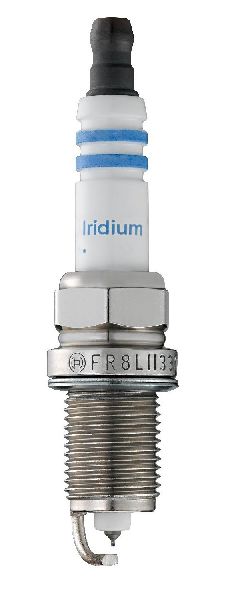
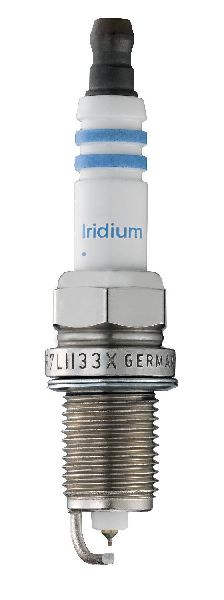
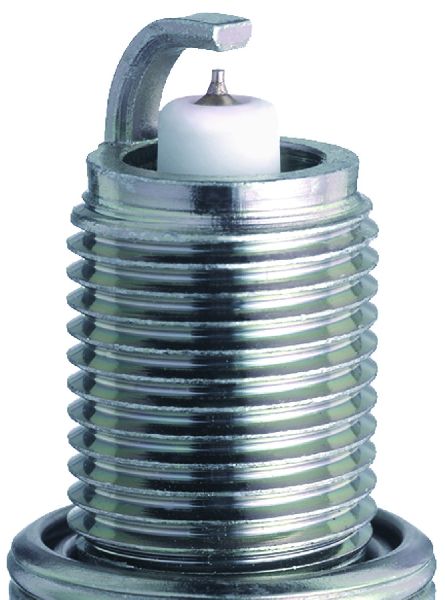
Iridium (Best): Longest life and most consistent performance, especially over many miles. Iridium is harder and more durable than platinum. They are a great "install and forget" option.
Estimated Costs for Spark Plug Replacement
| Part Type | Part Cost (Set of 4) | Shop Labor Cost | Total Estimated Cost |
|---|---|---|---|
| Aftermarket Copper (e.g., NGK V-Power) | $15 - $25 | $87 - $128 | $102 - $153 |
| Aftermarket Platinum (e.g., NGK G-Power) | $30 - $50 | $87 - $128 | $117 - $178 |
| Aftermarket Iridium (e.g., NGK Iridium IX) | $40 - $85 | $87 - $128 | $127 - $213 |
Frequently Asked Questions (FAQ)
How often should I change the spark plugs on my Integra?
The original recommendation was often around 30,000 miles for standard plugs. For modern aftermarket plugs, a good rule of thumb is: every 15,000-30,000 miles for copper plugs, 60,000 miles for platinum, and up to 100,000 miles for iridium plugs. However, given the age of these cars, many owners of stock vehicles replace them every 2-3 years as preventative maintenance.
Do I need to check the gap on new spark plugs?
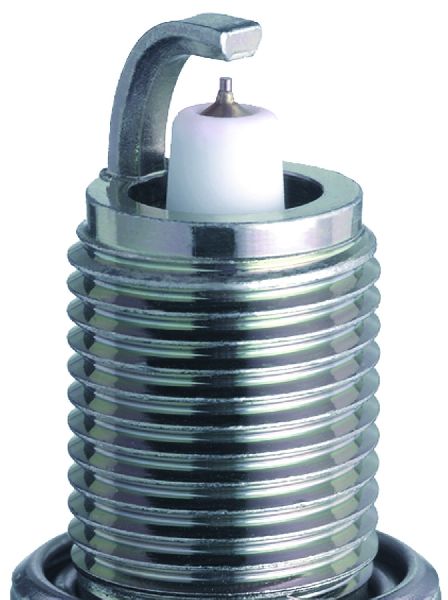
Yes, you should always check. While most plugs from NGK and Denso are pre-gapped, it's possible for the gap to change during shipping. A feeler gauge or gap tool is a must-have. The standard gap for most non-VTEC Integras (LS, RS, GS) is 1.1mm (0.044"), while the GS-R model is 1.3mm (0.051"). Always verify the correct spec for your specific engine.
Are expensive iridium plugs worth it for my Integra?
They are worth it if you value longevity. They won't necessarily add horsepower on a stock engine compared to a fresh set of copper plugs, but they will maintain their performance for a much longer time. If you don't mind changing plugs more often, standard copper NGK plugs are a fantastic and very affordable option.
Which plugs should I use for a turbo or modified Integra?
For a modified engine, especially with forced induction (turbo or supercharger), you will need to use a "colder" heat range spark plug to prevent detonation. The exact plug depends on the amount of boost and the specifics of your build. You should always consult with your engine tuner for a specific recommendation.
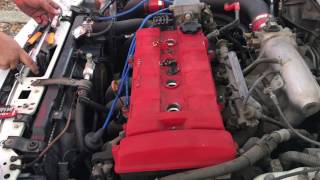
Helpful Videos
Technical Specifications
OEM Part Numbers: 98079-5614G
Engine Fitment: B18B1 (LS, RS, GS), B18C1 (GS-R). Recommended Brands: NGK, Denso. Common NGK Part Numbers: ZFR5F-11 (LS/RS/GS, Copper), BKR6E-11 (GS-R, Copper), PFR6G-13 (GS-R, Platinum). Common Spark Plug Gap: 1.1mm (0.044") for B18B1, 1.3mm (0.051") for B18C1.
We Have This Part in Stock

The information in this article is provided for general reference and educational purposes only. Vehicle specifications, procedures, and part compatibility can vary by production date, trim level, and region. Always consult your vehicle's factory service manual and verify part numbers before purchasing or performing repairs. Safety-critical components such as airbags, seat belts, and braking systems should be installed by a qualified professional.
- Acura Integra: