

A Guide to Engine Mounts for the 1992-1996 BMW 325i (E36)
Stop excessive engine vibration and restore the smooth performance your E36 was built for.
- For a smooth, factory-like ride, choose OEM-quality hydraulic mounts from brands like Corteco or Lemforder.
- Always replace engine mounts in pairs to ensure proper engine alignment and prevent premature wear.
- Expect increased cabin vibration if you choose budget-friendly solid rubber mounts instead of hydraulic ones.
- Failed mounts can cause damage to other components like coolant hoses and wiring if not replaced promptly.
Signs of a Bad Engine Mount
When the engine mounts on your E36 325i start to fail, the signs are hard to ignore. Because the original mounts are fluid-filled for smoothness, you'll notice a big difference when they wear out. Here’s what to look and listen for:
- Increased Vibration: This is the most common symptom. You'll feel more engine vibration through the steering wheel, seats, and floor, especially when the car is idling.
- Clunking or Thumping Noises: When you accelerate, brake, or shift gears, you might hear a loud clunk. This is the sound of the engine moving around too much and hitting other parts.
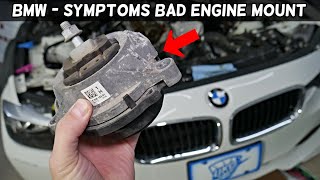
- Visible Engine Movement: Open the hood and have a friend gently rev the engine while the car is in park. If you see the engine lift or twist excessively, the mounts are likely broken. 🎬 Watch: See these common BMW engine mount failure symptoms in action.
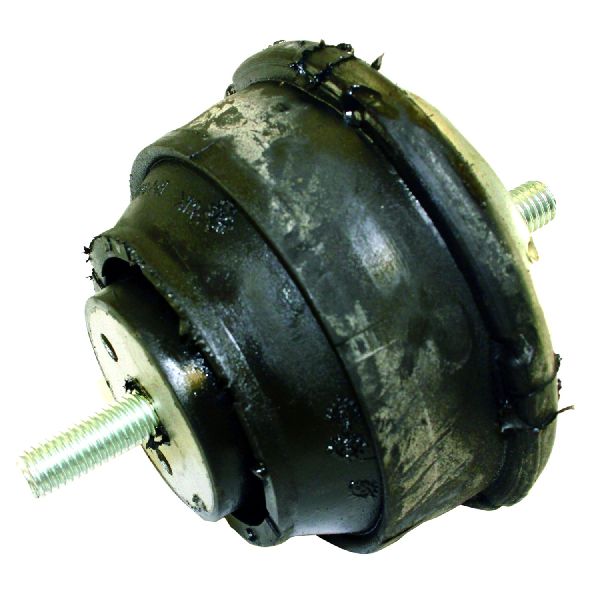
- Leaking Fluid: The stock mounts are filled with hydraulic fluid. If you see dark, oily residue on or around the mount itself, it has failed and needs to be replaced.
Don't Ignore Bad Mounts
Driving with failed engine mounts can cause more than just annoying vibrations. Excessive engine movement can damage coolant hoses, wiring, and exhaust components, leading to more expensive repairs. In severe cases, it can even affect shifting.
Choosing the Right Aftermarket Engine Mount
For a daily-driven 1992-1996 325i, sticking with an OEM-style hydraulic mount is usually the best choice to maintain the car's original smooth character. Harder polyurethane or solid mounts are available for racing but will transfer significant vibration into the cabin, making for a harsh ride. Here’s a breakdown of common aftermarket brands:
Brand Quality Tiers
Tier 1: OEM-Quality Brands
- Corteco & Lemforder: These brands are often the original equipment manufacturers (OEM) for BMW. Choosing a mount from Corteco or Lemforder is the closest you can get to buying a genuine BMW part without the high dealer price tag. They offer the correct hydraulic design for optimal vibration damping.
- CRP (Rein): Another well-regarded brand that often supplies parts to German automakers. Their mounts are a solid choice for an OEM-equivalent replacement.
Tier 2: Reputable Aftermarket
- Beck Arnley: This brand often sources parts from various manufacturers, including OEM suppliers. Quality is generally good, but can vary.
- Febi-Bilstein: A known German aftermarket brand that provides a wide range of parts.
Tier 3: Budget-Friendly Options
- URO Parts: URO offers a budget-friendly alternative. While functional, some users report they may not last as long or absorb vibration as well as OEM-quality mounts.
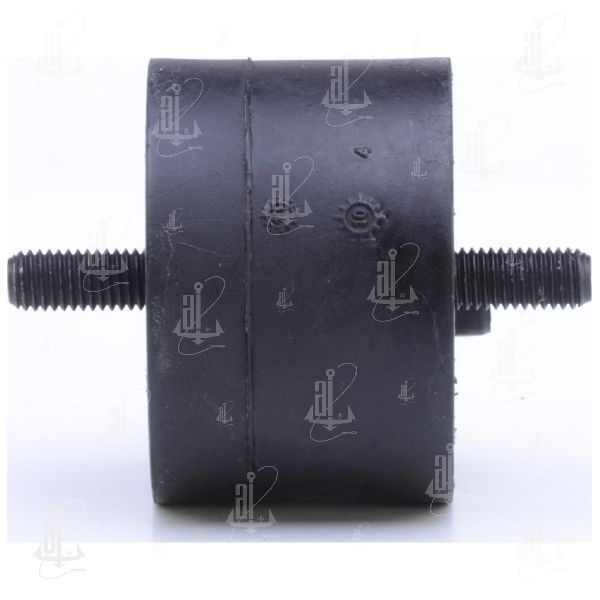
- Anchor, DEA, Westar: These are general aftermarket brands. They are often the most affordable but may use harder rubber instead of a hydraulic design, leading to more noticeable cabin vibration. They can be a viable option for a budget repair, but expect a trade-off in comfort.
Pro Tip: Always replace engine mounts in pairs. Your 325i has two engine mounts. If one has failed, the other is likely worn out too. Replacing both at the same time ensures the engine is properly balanced and prevents premature failure of the new mount.
Cost to Replace Engine Mounts on a 1992-1996 BMW 325i
| Part Type | Estimated Cost |
|---|---|
| New Aftermarket Engine Mounts (Pair) | $35 - $171 |
| New OEM Engine Mounts (Pair) | $130 - $260 |
| Shop Labor | $150 - $220 |
| Total Professional Replacement (Aftermarket Parts) | $185 - $391 |
Frequently Asked Questions (FAQ)
How many engine mounts does my 1992-1996 325i have?
Your rear-wheel-drive BMW 325i has two main engine mounts, one on the driver's side and one on the passenger's side. It's also a good idea to inspect your transmission mounts at the same time, as they wear out similarly.
🎬 Watch: How to replace both engine and transmission mounts together.Can I install engine mounts myself?
Yes, this is a feasible DIY job for someone with mechanical experience. It requires safely lifting the car on jack stands and supporting the engine from below with a jack and a block of wood to take the weight off the mounts. You will need tools like a 16mm socket, extensions, and a swivel joint. The job typically takes about 2-3 hours.
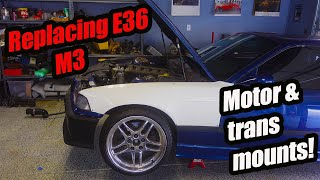
🎬 See this step-by-step walkthrough for replacing your E36 motor mounts.Should I upgrade to polyurethane or solid engine mounts?
For a daily driver, it is not recommended. While performance mounts (polyurethane or solid aluminum) prevent engine flex for track use, they transfer a large amount of engine vibration and noise into the car's cabin, making for an uncomfortable ride. Sticking with OEM-style hydraulic mounts is best for comfort.
Are there any recalls for the engine mounts on my 325i?
No, there are no specific recalls or Technical Service Bulletins (TSBs) from the NHTSA for engine mount failure on the 1992-1996 BMW 325i. Failures are typically due to the age and mileage of the vehicle.
Helpful Videos
Technical Specifications
OEM Part Numbers: 22116779970 22111095444 11811092583 11811141377 11811141735 11811141736
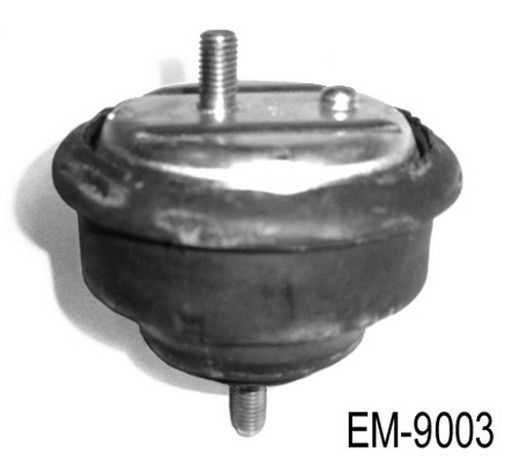
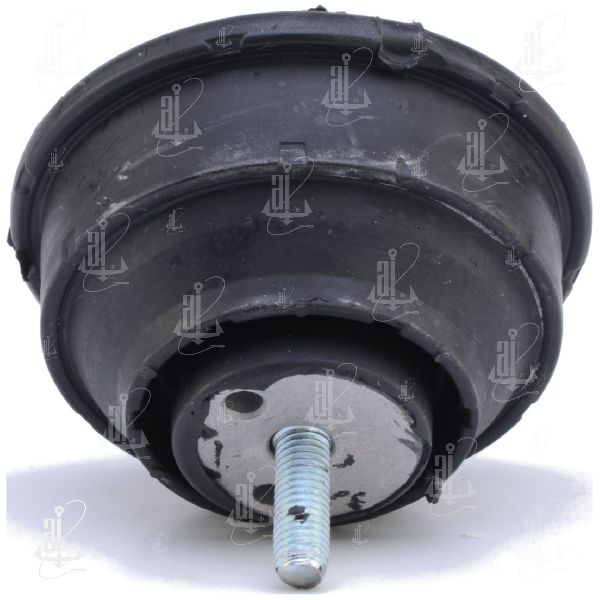
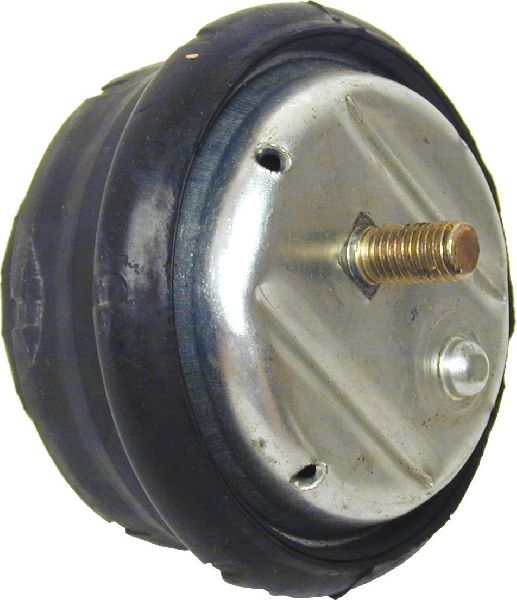
The 1992-1996 BMW 325i uses two hydraulic, fluid-filled engine mounts. They feature a top threaded stud and a bottom threaded stud with a small alignment pin that fits into the subframe. The top and bottom nuts are typically 16mm.
We Have This Part in Stock


The information in this article is provided for general reference and educational purposes only. Vehicle specifications, procedures, and part compatibility can vary by production date, trim level, and region. Always consult your vehicle's factory service manual and verify part numbers before purchasing or performing repairs. Safety-critical components such as airbags, seat belts, and braking systems should be installed by a qualified professional.
- BMW 325i: