

Guide to the 1992-1996 Dodge Dakota Manifold Absolute Pressure Sensor
If your first-generation Dakota is running rough or guzzling gas, the MAP sensor is a likely culprit.
- A bad MAP sensor on a 1992-1996 Dakota commonly causes rough idle, poor gas mileage, and hesitation, even without a Check Engine Light.
- Replacement is very easy and can be done in under 30 minutes with a T25 Torx driver.
- Before replacing, check for cracked vacuum hoses, as they can cause identical symptoms.
- Stick with reputable aftermarket brands like Standard Motor Products or Walker for better reliability than budget options.
Symptoms of a Failing MAP Sensor in a Dodge Dakota
When the MAP sensor on a 1992-1996 Dakota starts to fail, it sends incorrect information to the engine's computer. This can cause a variety of noticeable problems because the computer can no longer correctly adjust the air-fuel mixture and ignition timing. While a Check Engine Light is common, these older OBD-I systems may not always trigger a code, so it's important to recognize the physical symptoms.
- Rough Idle: The engine may shake, stutter, or struggle to maintain a steady RPM at a stop.
- Poor Fuel Economy: One of the most common complaints. If the sensor incorrectly tells the computer the engine is under a heavy load, it will inject too much fuel, causing the engine to run rich and burn more gas than necessary.
- Hesitation or Stalling: You might notice a delay or stumble when you press the gas pedal. In some cases, the engine may even die when you come to a stop.
- Black Smoke from Exhaust: This is a clear sign that the engine is running too rich (burning too much fuel), often caused by a bad MAP sensor reading.
- Failed Emissions Test: Incorrect air-fuel mixtures will lead to higher-than-normal pollutants in the exhaust, causing a failed test.
Don't Mistake It for a Vacuum Leak
Symptoms of a vacuum leak—like a cracked hose—can be very similar to a bad MAP sensor. Before replacing the sensor, it's a good idea to visually inspect all vacuum lines connected to the intake manifold for cracks or loose fittings. This simple check can save you from replacing a perfectly good part.
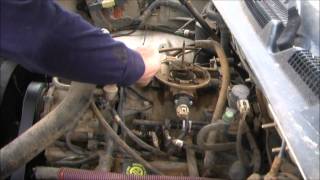
🎬 Watch this video to learn how to test and replace your MAP sensor.Choosing the Right Aftermarket MAP Sensor
For a vehicle from the mid-90s, finding a new OEM Mopar part can be difficult and expensive. Aftermarket parts are the most practical and common solution. However, quality can vary between brands. It's generally best to avoid the absolute cheapest no-name options and stick with established aftermarket manufacturers.
| Brand Tier | Brands | General Assessment |
|---|---|---|
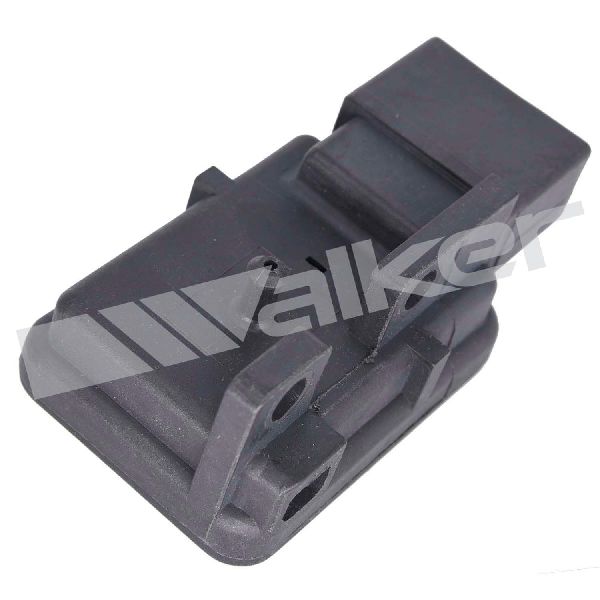
| Premium Aftermarket | Standard Motor Products (SMP), Walker Products | These brands have a long-standing reputation for producing reliable engine management parts that often meet or exceed original specifications. They are a solid choice for durability and performance. |
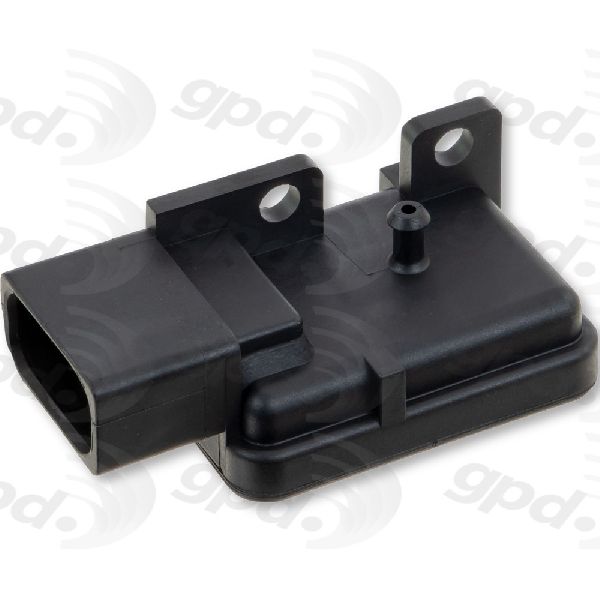
| Standard / Economy | Spectra, Global Parts, True Tech | These brands offer a more budget-friendly option. While they can function correctly, their long-term reliability and manufacturing consistency may not be on par with premium brands. They can be a viable choice if budget is the primary concern. |
A Note on Mopar Parts
If you can find a genuine Mopar sensor (Part No. 56026770), it's an excellent choice, but expect to pay a premium. Some forum users insist on Mopar for critical sensors, but many have had success with quality aftermarket parts on these older trucks.
Installation and Location
Replacing the MAP sensor on a 1992-1996 Dakota is a straightforward job that most owners can do themselves in under 30 minutes with basic tools.
- Location: The MAP sensor is located on the front of the throttle body, right on top of the engine after you remove the air cleaner assembly.
- Tools: You will typically need a T25 Torx driver or socket to remove the two mounting screws.
- Process: Simply disconnect the electrical connector, remove the two Torx screws, and gently pull the sensor off the throttle body. Be careful with the small rubber elbow that connects the sensor to the throttle body; you will likely need to reuse it with the new sensor. Check this elbow for cracks and replace it if it's brittle. 🎬 See a step-by-step demonstration of the MAP sensor replacement process.
Frequently Asked Questions
Where is the MAP sensor on a 1992-1996 Dodge Dakota?
It is mounted directly to the front of the throttle body. You'll see it once you remove the large, round air cleaner housing from the top of the engine. It's held in place by two T25 Torx screws.
Can I clean a MAP sensor?
No, MAP sensors are sealed electronic units that cannot be cleaned or repaired. Attempting to clean it with solvents or compressed air can damage the sensitive internal components. If the sensor is faulty, it must be replaced.
Do I need to disconnect the battery to change the MAP sensor?
Yes, it is always a good practice to disconnect the negative battery terminal before replacing any engine sensor. This prevents any potential electrical shorts and also helps reset the engine computer, allowing it to learn the parameters of the new sensor once reconnected.
What are the OBD codes for a bad MAP sensor on this Dakota?
On these OBD-I systems, you might get Code 13 (No change in MAP from start to run), Code 14 (MAP sensor voltage too low), or Code 15 (MAP sensor voltage too high). However, the sensor can still be failing and causing driveability issues without triggering a code.
Helpful Videos
Technical Specifications
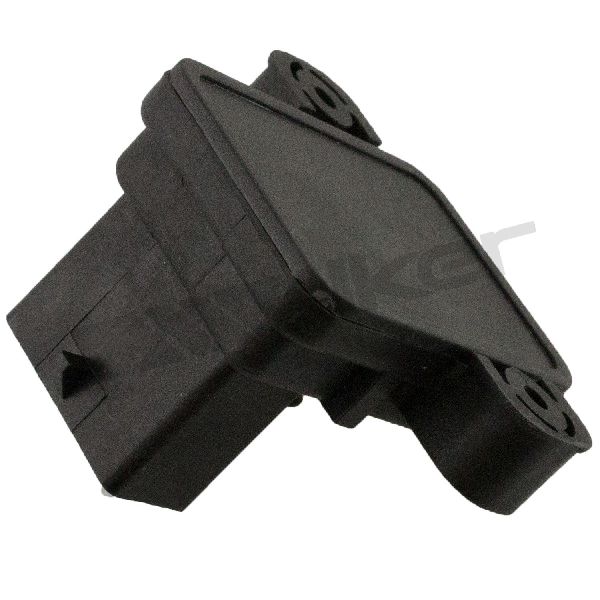
OEM Part Numbers: 56026770
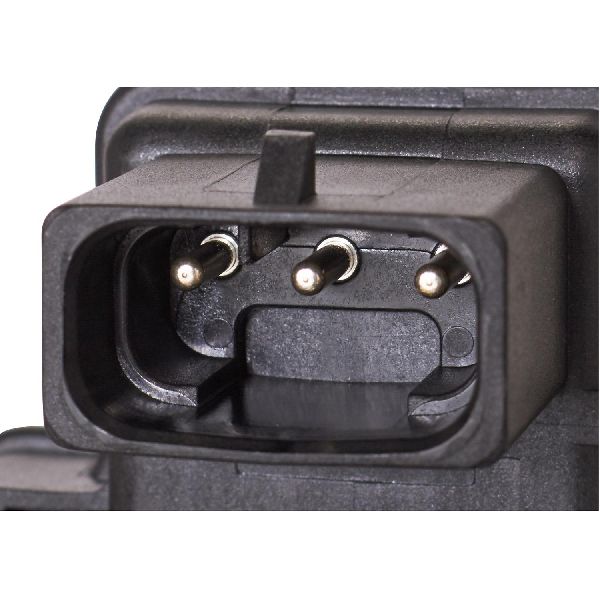
3-pin connector, mounts to throttle body with a rubber elbow vacuum fitting.
We Have This Part in Stock


The information in this article is provided for general reference and educational purposes only. Vehicle specifications, procedures, and part compatibility can vary by production date, trim level, and region. Always consult your vehicle's factory service manual and verify part numbers before purchasing or performing repairs. Safety-critical components such as airbags, seat belts, and braking systems should be installed by a qualified professional.
- Dodge Dakota: