

Oxygen Sensor Replacement Guide for the 1992-1996 GMC G3500
Fix poor fuel economy and rough idling on your G-series van by understanding and replacing the right oxygen sensor.
- Verify if your G3500 is a 1992-1995 (OBD-I) or 1996 (OBD-II) model, as the number and type of sensors are different.
- For best results, choose a direct-fit sensor from a recommended brand like Delphi, Denso, or NGK/NTK to avoid compatibility issues.
- A bad O2 sensor will decrease gas mileage and can damage your catalytic converter if not replaced.
- The most difficult part of the job is often removing the old sensor; use plenty of penetrating oil.
The Critical Difference: 1992-1995 vs. 1996 Models
Before buying a part, you must know your van's year. The 1992-1996 range crosses a major change in vehicle electronics.
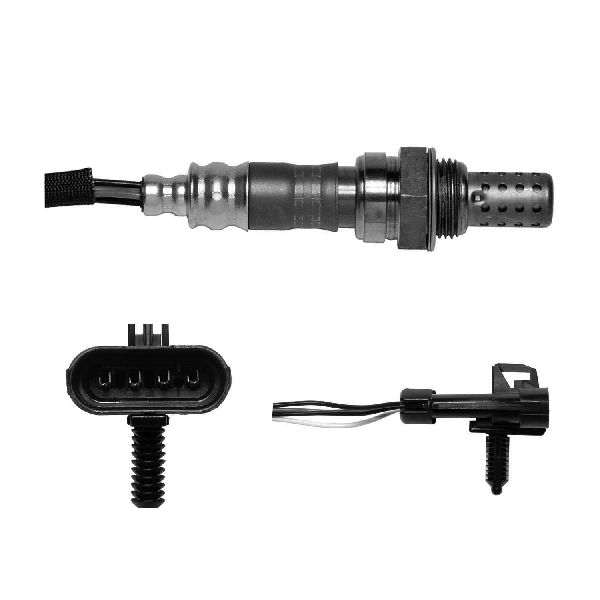
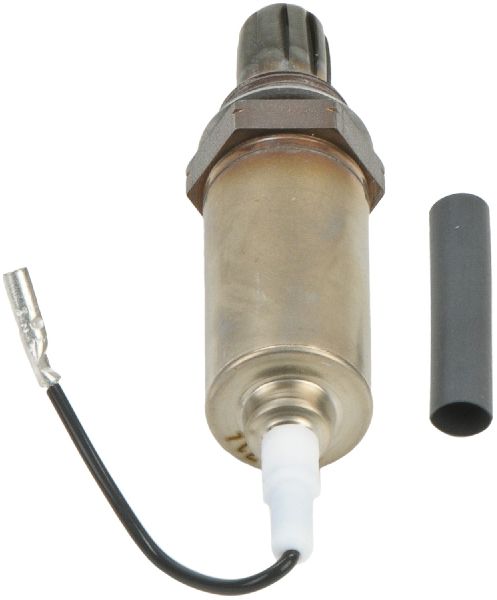
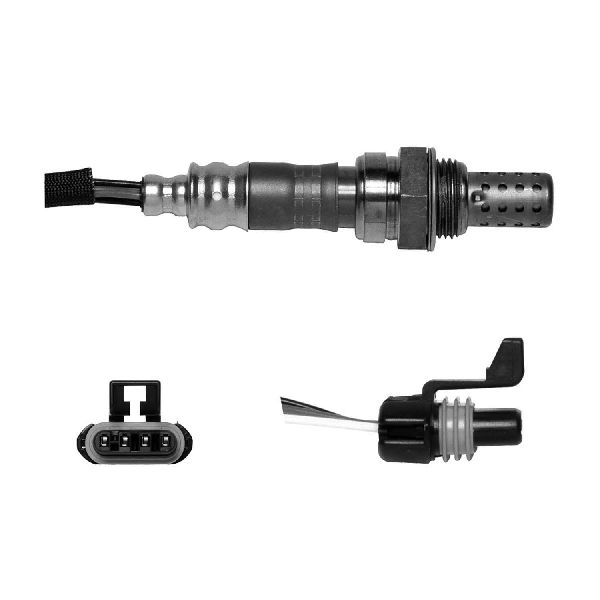
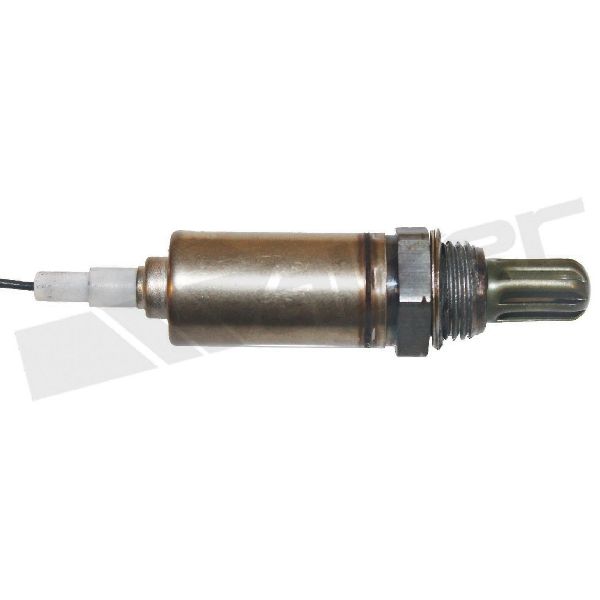
- 1992-1995 GMC G3500 (OBD-I): These vans use an older system called OBD-I. They typically have only one or two oxygen sensors, located before the catalytic converter. These are often 1-wire or 3-wire sensors.
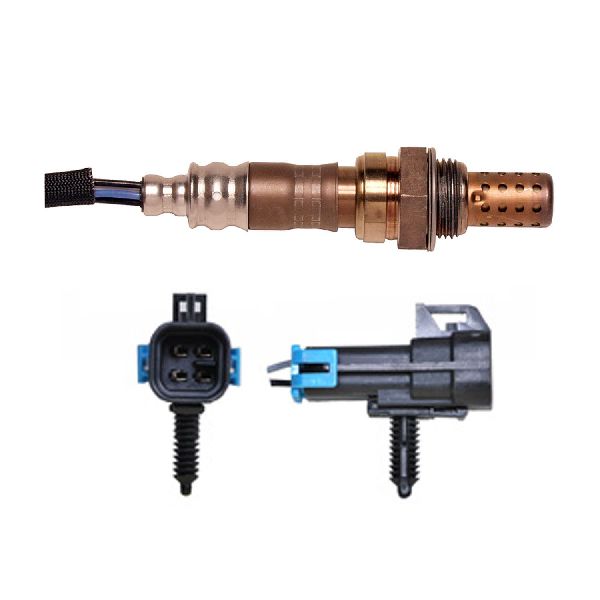
- 1996 GMC G3500 (OBD-II): The 1996 model year uses the modern OBD-II system. These vans have multiple sensors, usually four on V8 models: two "upstream" sensors before the catalytic converter and two "downstream" sensors after it.
Ordering the wrong sensor for your year is a common mistake. Always verify the number of sensors and their wire counts on your specific van before purchasing.
Symptoms of a Failing Oxygen Sensor
When an O2 sensor goes bad, your van's computer gets bad information. This can cause several noticeable problems:
- Check Engine Light: This is the most common symptom. For 1992-1995 models, you might get OBD-I codes like 13, 44, or 45. For 1996 models, you'll see OBD-II codes in the P0130-P0167 range.
- Poor Fuel Economy: The engine may run too rich, wasting gas and costing you more at the pump.
- Rough Engine Performance: You may notice a shaky idle, engine misfires, or hesitation when you step on the gas.
- Bad Smell: A "rotten egg" smell from the exhaust can mean the engine is running too rich due to a bad sensor.
- Failed Emissions Test: A bad O2 sensor is a common reason for failing a smog check.
Don't Ignore a Bad Sensor
While you can drive with a failing O2 sensor, it's not a good idea. Continuing to drive can cause your expensive catalytic converter to overheat and fail, a much more costly repair.
Choosing the Right Aftermarket Oxygen Sensor
The brand you choose matters for GM trucks, which can be sensitive to sensor quality. Based on mechanic and owner feedback, here is a breakdown of your options.
Tier 1: OEM & Highly Recommended
These brands are known to work well with the G3500's computer without issues.
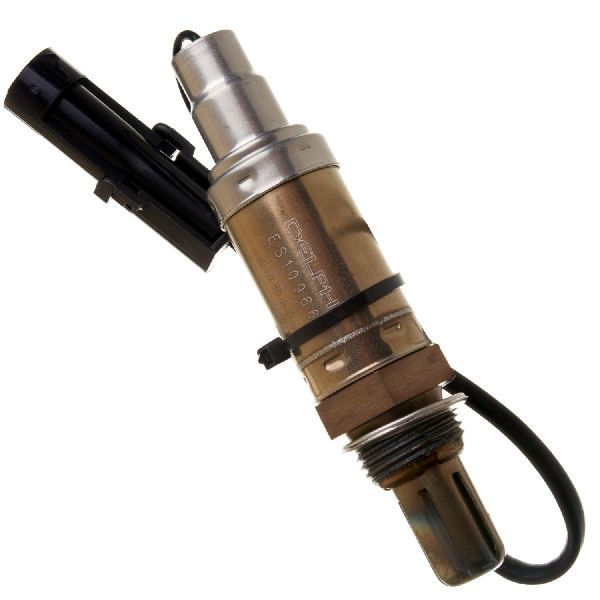
- Delphi: As an original equipment supplier for GM, Delphi parts are a very safe bet for compatibility and quality.
- Denso & NGK (NTK): These are top-tier Japanese brands that supply parts to many automakers, including GM. They are highly recommended in forums and are known for their reliability and performance. Often, an ACDelco part is a rebranded Denso or NGK sensor.
Tier 2: Reputable Aftermarket & Cautious Choices
- Bosch: Bosch invented the oxygen sensor and is a massive global supplier. However, many GM truck owners report mixed results, including check engine light issues and premature failures. While it's a top brand, for this specific vehicle it can be a riskier choice than Denso or Delphi.
- Walker Products: Often cited as a reliable and good-quality budget alternative to the premium brands.
Tier 3: Budget Options
- Spectra & DriveWire: These brands provide the most affordable options. They can offer good value for a budget repair, but may not have the same longevity or precise calibration as the Tier 1 brands.
Pro Tip: Direct-Fit vs. Universal
Always choose a "direct-fit" sensor. These come with the correct wire length and factory-style electrical connector for a simple plug-and-play installation. "Universal" sensors require you to cut your old connector off and splice wires, which can lead to connection problems and failure.
Oxygen Sensor Replacement Cost for 1992-1996 GMC G3500
| Category | Estimated Cost |
|---|---|
| New Aftermarket Oxygen Sensor (DIY) | $28 - $87 per sensor |
| Shop Labor Cost | $100 - $150 per hour |
| Total Professional Replacement | $130 - $240 per sensor (approx.) |
Costs are estimates and can vary by location and the specific sensor needed. 1996 models with four sensors will have a higher total replacement cost if all are replaced.
Frequently Asked Questions
How many oxygen sensors does my G3500 have?
1992-1995 models typically have one or two sensors located before the catalytic converter. 1996 models with a V8 engine usually have four sensors: two upstream (before the cats) and two downstream (after the cats). Always visually inspect your vehicle to be sure.
What tools do I need to replace an oxygen sensor?
You will need a special oxygen sensor socket, which has a slot for the wire. A ratchet with an extension, a breaker bar for leverage, and high-quality penetrating oil (like PB Blaster) are also highly recommended, as these sensors are often rusted in place.
Should I replace all the sensors at once?
O2 sensors tend to age at a similar rate. If you are replacing one high-mileage sensor, it's a good practice to replace its counterpart on the other side of the engine (e.g., both upstream sensors) to ensure balanced engine performance.
Can I clean my old oxygen sensor?
No. Cleaning is not a reliable or long-term fix. The sensor's internal elements wear out and cannot be restored. Given the reasonable cost of a new sensor, replacement is always the best option.
Where is Bank 1 and Bank 2?
This applies to 1996 and newer V8 models. Bank 1 is the side of the engine with cylinder #1, which on a GMC V8 is the driver's side. Bank 2 is the passenger's side.
Technical Specifications
Varies by year. 1992-1995 models may use 1-wire or 3-wire heated sensors. 1996 models use 4-wire heated sensors. All use a M18x1.5 thread size.
We Have This Part in Stock

The information in this article is provided for general reference and educational purposes only. Vehicle specifications, procedures, and part compatibility can vary by production date, trim level, and region. Always consult your vehicle's factory service manual and verify part numbers before purchasing or performing repairs. Safety-critical components such as airbags, seat belts, and braking systems should be installed by a qualified professional.
- GMC G3500:
- 🛍️ Shop This Part
- The Critical Difference: 1992-1995 vs. 1996 Models
- Symptoms of a Failing Oxygen Sensor
- Don't Ignore a Bad Sensor
- Choosing the Right Aftermarket Oxygen Sensor
- Tier 1: OEM & Highly Recommended
- Tier 2: Reputable Aftermarket & Cautious Choices
- Tier 3: Budget Options
- Pro Tip: Direct-Fit vs. Universal
- Oxygen Sensor Replacement Cost for 1992-1996 GMC G3500
- Frequently Asked Questions
- 🎟️ Get 5% Off