

A Honda Owner's Guide to the Engine Harmonic Balancer for 1992-1996 Civics
Don't let a wobbly or noisy crankshaft pulley ruin your Civic's reliable D-series or B-series engine.
- A wobbling or vibrating harmonic balancer must be replaced immediately to avoid catastrophic failure.
- Removing the crankshaft bolt is the hardest part of the job and requires a special 50mm holder tool and high torque.
- Do not lose the small Woodruff key that aligns the balancer on the crankshaft; your new part won't include one.
- Quality aftermarket brands like ATP and Pioneer are reliable replacements for the unavailable OEM part.
Is Your Civic's Harmonic Balancer Failing?
On a 30-year-old car like the 1992-1996 Honda Civic, the rubber inside the harmonic balancer can dry out, crack, and fail. When this happens, the part can no longer absorb engine vibrations and the outer ring can start to wobble or even separate from the hub. Ignoring these symptoms can lead to serious engine damage.
🎬 Watch: 5 hidden signs your harmonic balancer is failingKey Symptoms of a Bad Balancer:
- Engine Vibrations: The most common sign is a new or unusual vibration you can feel in the cabin, especially at certain engine speeds.
- Wobbling Pulley: If you look at the main pulley at the bottom of the engine while it's idling, you may see it wobbling instead of spinning true. This is a sure sign of failure.
- Chirping or Squealing Noises: A wobbly pulley can misalign the accessory belts, causing them to squeal or chirp. You might also hear a rattling or knocking sound from the balancer itself as it comes apart.
- Separation: In severe cases, the outer ring completely separates from the inner hub. This will cause your accessory belts to stop spinning, leading to a loss of power steering and a dead battery.
The Toughest Bolt on Your Honda
Replacing the harmonic balancer on a 1992-1996 Civic is known for one major challenge: the 19mm crankshaft pulley bolt. This bolt is notoriously tight from the factory. Attempting to remove it without the right tools will likely lead to frustration and broken breaker bars. Because the engine rotates counter-clockwise, the common "starter bump trick" will only tighten the bolt. You will need a special 50mm hex holder tool to keep the pulley from turning and a high-torque impact wrench or a very long breaker bar to get the bolt loose.
🎬 See the easy way to remove this stubborn boltChoosing the Right Aftermarket Balancer
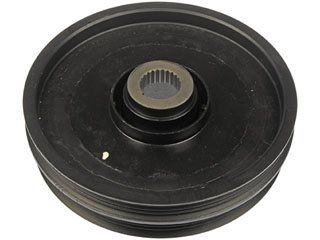
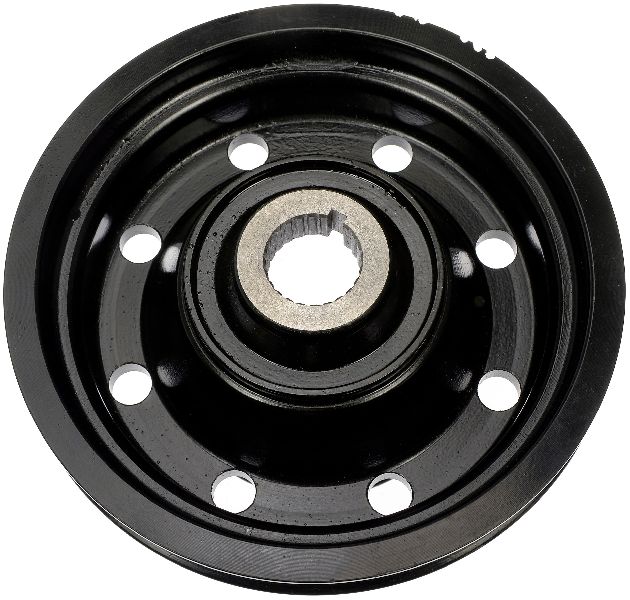
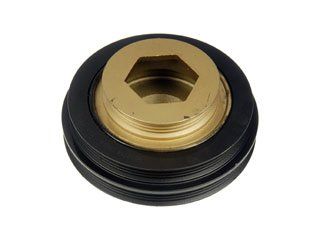
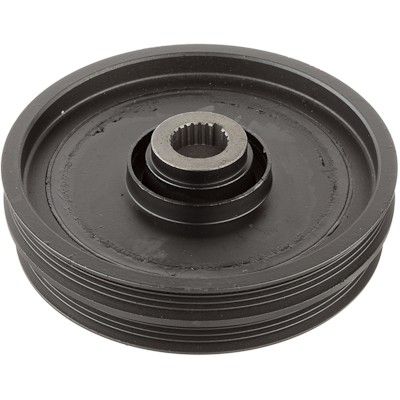
Since new OEM balancers for this generation of Civic are not readily available, you will be choosing from aftermarket brands. The key is to select a part that is properly balanced and made from quality materials.
- Good Tier (ATP, Pioneer): Brands like ATP and Pioneer are established manufacturers that produce OE-quality replacement parts. They state their balancers are dynamically balanced and use durable materials designed to meet or exceed original specifications. These are solid choices for a reliable, long-lasting repair.
- Standard Tier (Dorman): Dorman is a widely available brand that offers direct-fit replacement parts. While some users have success with Dorman balancers, others have noted occasional issues with fitment on other vehicles. For a daily-driven Civic, it can be a budget-friendly option, but carefully inspect the part upon arrival.
Pro Tip: When you remove the old balancer, be careful not to lose the small, half-moon shaped piece of metal called a Woodruff key. This key locks the pulley to the crankshaft, and the new balancer will not have one. If the keyway on your crankshaft is damaged from the old balancer wobbling, it may need professional repair.
Harmonic Balancer Replacement Cost for 1992-1996 Honda Civic
| Part Type | Estimated Part Cost |
|---|---|
| New Aftermarket (ATP, Dorman, Pioneer) | $108.61 - $170.40 |
| New OEM | Not readily available |
| Used OEM | $40 - $80 (Not recommended due to age) |
| Shop Labor | $250 - $450 |
Frequently Asked Questions
Can I really not get the crank bolt off without a special tool?
It is highly unlikely. The bolt is torqued very tightly. You need the 50mm hex tool to hold the pulley stationary while applying significant force to the bolt. Many professional mechanics use a special weighted impact socket 🎬 Watch a mechanic remove a Civic crank pulley bolt just for Honda crank bolts.
What happens if I keep driving with a bad harmonic balancer?
Continuing to drive is a major risk. The vibrations can damage the crankshaft and its bearings. If the pulley separates completely, you will instantly lose your power steering and alternator, and the flying metal part can damage other components in the engine bay.
Is an aftermarket balancer as good as the original Honda part?
For a vehicle of this age, a quality aftermarket part from a reputable brand like ATP or Pioneer is a perfectly acceptable and reliable choice. These parts are engineered to function as direct OE replacements. The original rubber is 30 years old, so even a used OEM part is a gamble.
Does the new harmonic balancer come with a new bolt or Woodruff key?
No, aftermarket balancers typically do not include a new crankshaft bolt or a Woodruff key. You must reuse your original bolt and be careful not to lose the key during the swap.
Helpful Videos


Technical Specifications
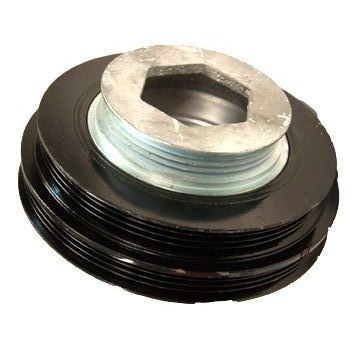
The harmonic balancer for the 1992-1996 Honda Civic is specific to the D-series and B-series engines. It is secured by a 19mm central crankshaft bolt and aligned with a Woodruff key. The pulley section typically has grooves for 4-rib accessory belts.
We Have This Part in Stock


The information in this article is provided for general reference and educational purposes only. Vehicle specifications, procedures, and part compatibility can vary by production date, trim level, and region. Always consult your vehicle's factory service manual and verify part numbers before purchasing or performing repairs. Safety-critical components such as airbags, seat belts, and braking systems should be installed by a qualified professional.
- Honda Civic: