

Jeep Wrangler YJ (1992-1996) Engine Coolant Temperature Sensor Guide
Having engine trouble or a faulty gauge? Your Engine Coolant Temperature sensor could be the culprit.
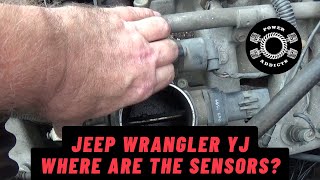
- Your YJ has two temp sensors; the one for the computer (ECT) is at the front on the thermostat housing.
- Symptoms of a bad ECT sensor are engine-related (poor MPG, rough idle, Check Engine Light), not gauge-related.
- Replacement is a simple, 30-minute DIY job that only requires basic tools.
- A quality aftermarket sensor from brands like Delphi, Standard, or Crown is a cost-effective and reliable choice for this vehicle.
Understanding the Two Coolant Sensors on Your YJ
One of the most common points of confusion for 1992-1996 Jeep Wrangler YJ owners is that there are two separate sensors for engine temperature. It's critical to know which one you need to replace.
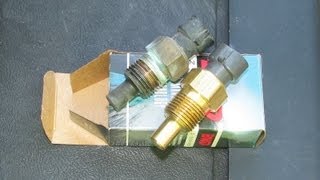
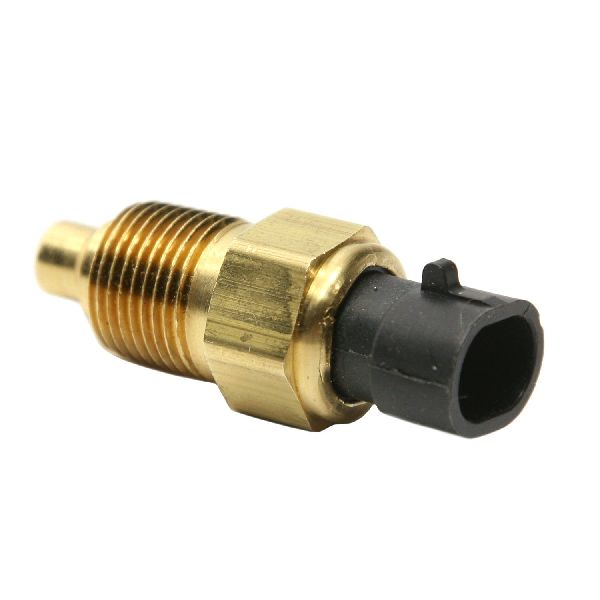
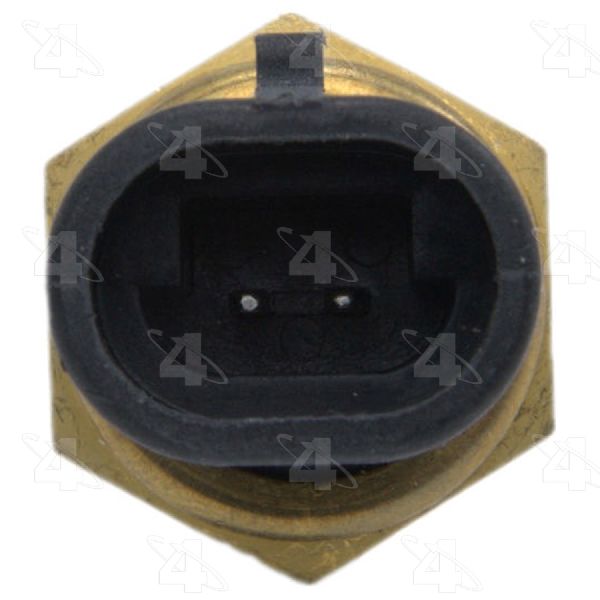
- Engine Coolant Temperature (ECT) Sensor: This two-wire sensor is located at the front of the engine, typically on the thermostat housing. Its sole job is to send temperature information to the engine's computer (ECM). If this sensor fails, you'll notice engine performance problems like poor idling, bad fuel economy, or black smoke, and it may trigger a Check Engine Light.
- Temperature Sending Unit (Sender): This is a one-wire sensor located at the rear of the cylinder head on the driver's side. Its only purpose is to operate the temperature gauge on your dashboard. If your gauge is reading incorrectly, pegged high, or not moving at all, this is the part that has likely failed.
This guide focuses on the Engine Coolant Temperature (ECT) Sensor that communicates with the engine computer.
Symptoms of a Failing ECT Sensor
When the ECT sensor starts to fail, it sends the wrong signals to your Jeep's computer. This can make the computer think the engine is cold when it's hot, or vice-versa. Common symptoms include:
- Poor Fuel Economy: If the sensor wrongly tells the computer the engine is cold, the computer will enrich the fuel mixture, causing the engine to use more gas than necessary.
- Black Smoke from Exhaust: A consistently rich fuel mixture may not burn completely, leading to black smoke from the tailpipe.
- Check Engine Light: The computer will often detect a fault in the sensor's circuit or an illogical reading, triggering a Check Engine Light. Common codes include P0117 (Circuit Low) and P0118 (Circuit High) 🎬 Learn how to diagnose and explain these specific fault codes..
- Rough Idle and Poor Performance: The engine may idle roughly, hesitate, or feel down on power because the fuel and timing adjustments are incorrect for the actual engine temperature.
- Hard Starting: An incorrect temperature reading can make it difficult to start the engine, especially when it's cold.
Pro Tip: Gauge vs. Engine Problems
A simple rule of thumb: if your temperature gauge is acting up but the engine runs fine, suspect the one-wire sending unit at the back of the head. If the engine is running poorly but the gauge seems to work, suspect the two-wire ECT sensor at the front.
Choosing the Right Aftermarket ECT Sensor
For a simple sensor like this, an aftermarket part is a perfectly reasonable choice and can save you money over an OEM part. However, quality can vary between brands. Based on owner feedback and general reputation, here’s a breakdown of the available brands:
- Tier 1 (Good Quality): Delphi and Standard Ignition (SMP) are well-regarded aftermarket brands that often manufacture parts for OEMs. They are generally considered reliable choices.
- Tier 2 (Jeep Specialist): Crown Automotive and Omix-Ada are popular brands specializing in Jeep replacement parts. Forum discussions show mixed but generally acceptable experiences, with some owners preferring Crown over Omix for better fitment, while others find Omix quality to be good. These are solid, budget-friendly options.
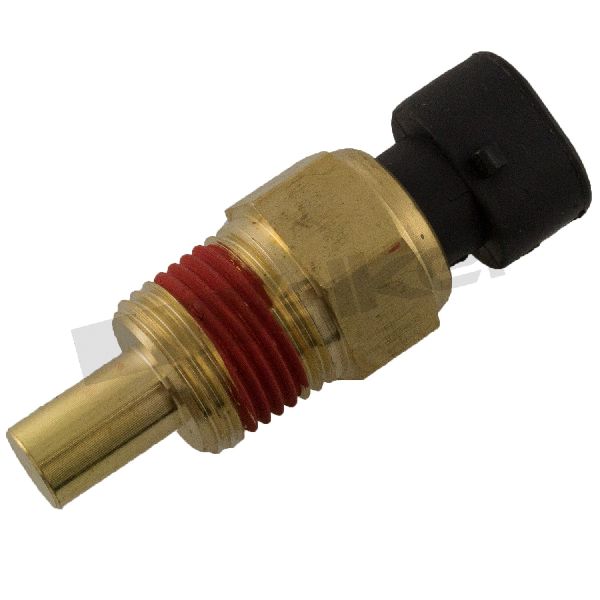
- Tier 3 (Value Brands): Brands like Four Seasons, Holstein, True Tech, and Walker Products fall into the general replacement category. They offer the lowest price points but may have less consistent quality control. They can be a good choice if budget is the primary concern for this non-critical, easy-to-replace part.
A Note on OEM vs. Aftermarket
While Mopar (OEM) is always an option, for a vehicle of this age, a quality aftermarket sensor from a reputable brand like Delphi or Standard Ignition will perform just as well for a fraction of the price. Even Jeep-specific brands like Crown and Omix offer a good balance of price and performance for this component.
Cost of Replacing an ECT Sensor (1992-1996 Jeep Wrangler)
| Part/Service | Estimated Cost |
|---|---|
| New Aftermarket ECT Sensor | $12.96 - $46.64 |
| Shop Labor | $50 - $100 |
| Total DIY Cost | $13 - $47 |
| Total Shop Cost | $63 - $147 |
Frequently Asked Questions
Where is the ECT sensor located on my 1992-1996 Wrangler?
The Engine Coolant Temperature (ECT) sensor for the computer is a two-wire sensor located on the thermostat housing at the front of the engine, for both 2.5L and 4.0L engines. Do not confuse it with the single-wire temperature gauge sender at the rear of the cylinder head.
Is this a difficult part to replace myself?
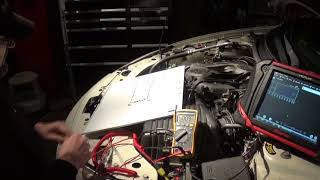
No, this is a very easy DIY job. It typically requires draining a small amount of coolant, unplugging the electrical connector, and unscrewing the old sensor with a deep socket (usually 3/4" or 19mm). The entire process can be done in under 30 minutes with basic hand tools 🎬 See a step-by-step guide to replacing the coolant temperature sensor..
Do I need to use sealant on the new sensor's threads?
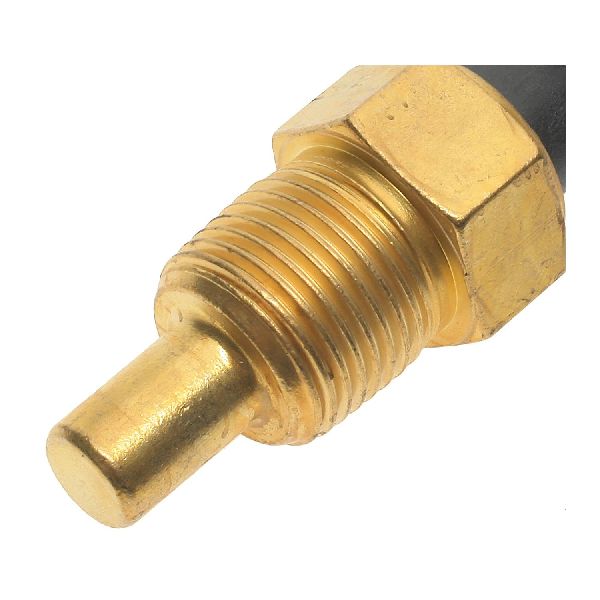
Yes, it is recommended to use thread sealant or Teflon tape on the threads of the new sensor to prevent coolant leaks. Some new sensors come with sealant pre-applied.
Are there any recalls for this part?
There are no specific recalls or widespread Technical Service Bulletins (TSBs) for the engine coolant temperature sensor on the 1992-1996 Jeep Wrangler YJ. Any recalls found are for much newer Jeep models and different issues.
Helpful Videos
Technical Specifications
OEM Part Numbers: 56027012
Location: Thermostat Housing. Connector: 2-wire. Function: Provides temperature data to the Engine Control Module (ECM).
We Have This Part in Stock


The information in this article is provided for general reference and educational purposes only. Vehicle specifications, procedures, and part compatibility can vary by production date, trim level, and region. Always consult your vehicle's factory service manual and verify part numbers before purchasing or performing repairs. Safety-critical components such as airbags, seat belts, and braking systems should be installed by a qualified professional.
- Jeep Wrangler:
- 🎬 Helpful Videos
- 🛍️ Shop This Part
- Understanding the Two Coolant Sensors on Your YJ
- Symptoms of a Failing ECT Sensor
- Pro Tip: Gauge vs. Engine Problems
- Choosing the Right Aftermarket ECT Sensor
- A Note on OEM vs. Aftermarket
- Cost of Replacing an ECT Sensor (1992-1996 Jeep Wrangler)
- Frequently Asked Questions
- 🎟️ Get 5% Off