

A Guide to Replacing Rear Brake Drums on Your 1992-1996 Mazda MX-3
Restore your Mazda's stopping power and handbrake performance with the right new aftermarket brake drums.
- For the 1992-1996 MX-3, aftermarket drums are the only practical option; brands like Bendix and Centric offer reliable quality for daily driving.
- Always replace drums, shoes, and hardware in pairs on the same axle to ensure balanced braking.
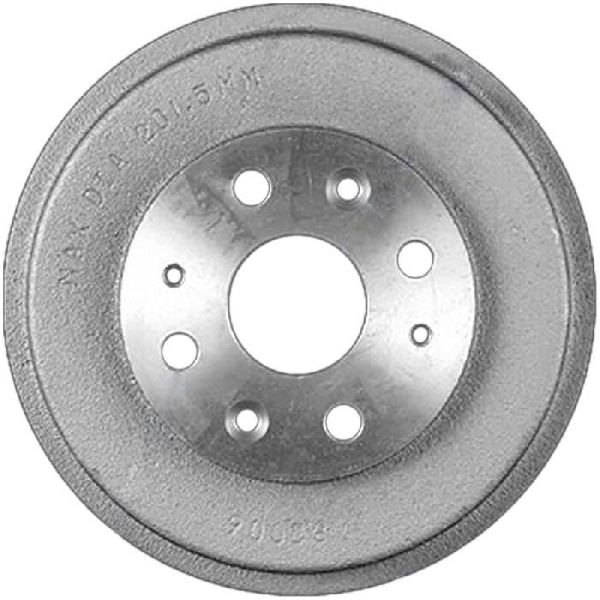
- Look for a threaded hole in the drum face to help push it off with an 8mm bolt if it's stuck.
- No specific recalls or widespread defects are known for the MX-3's rear drums; failures are due to normal age and wear.
Is It Time for New Brake Drums on Your MX-3?
The rear brake drums on your 1992-1996 Mazda MX-3 are simple and durable. However, like all brake components, they wear out over time. Since the front brakes do most of the work, rear drums can last a long time, but they shouldn't be ignored. Knowing the signs of wear can help you keep your car safe and its braking system balanced.
Symptoms of a Worn or Failing Brake Drum
- Scraping or Grinding Noises: A loud scraping sound from the rear when you brake is a classic sign that the brake shoes are worn down to the metal, and are now damaging the drum.
- Vibration in the Brake Pedal: If the drum has become warped from heat or has hard spots, you might feel a pulsation or vibration through the brake pedal when you apply the brakes.
- Weak Parking Brake: If your parking brake handle pulls up much higher than it used to, or the car won't hold firmly on a hill, it often means the brake shoes and drums are worn out.
- Reduced Braking Performance: While harder to notice from the rear, severely worn drums can contribute to longer stopping distances.
No Major Recalls or Issues Found
Our research of the NHTSA database and automotive forums found no specific recalls or Technical Service Bulletins (TSBs) for brake drum failure on the 1992-1996 Mazda MX-3. Any issues you experience are likely due to normal wear and tear over the last 30+ years.
Choosing the Right Aftermarket Brake Drum
For a vehicle like the MX-3, original Mazda (OEM) brake drums are likely discontinued and very hard to find. The good news is that many aftermarket brands offer quality replacements that meet or exceed original specifications. Since the rear brakes do only about 20-30% of the braking, you don't need expensive high-performance parts for daily driving.
Here’s a breakdown of available brands to help you choose:
Daily Driver Brands
These brands offer a great balance of quality, fit, and price. They are an excellent choice for most MX-3 owners looking for reliable, long-lasting parts.
- Bendix: A well-established brand with a long history of making quality brake parts, including for original manufacturers. Bendix is a trusted name for reliable performance.
- Centric: Known for good quality control and finish right out of the box. Many mechanics consider Centric a go-to for dependable aftermarket parts that fit correctly without modification.
- Raybestos (R-Line/Element3): Raybestos is a popular brand that offers different tiers of quality. Their standard or premium lines are considered a solid choice for daily use and are often recommended by professional mechanics.
Economy Brands
If budget is your main concern, these brands offer a functional replacement at a lower cost. They are suitable for light use but may not have the same longevity or corrosion resistance as premium options.
- Dynamic Friction: A brand that provides affordable brake components that will get the job done.
- Pronto: Often seen as a value-oriented or private-label brand, Pronto drums provide a basic, low-cost replacement.
- Raybestos (Economy): The economy line from Raybestos offers a lower-priced option, though some users note a difference in finish and material quality compared to their premium lines.
| Brand Tier | Price Range (Per Drum) |
|---|---|
| Daily Driver (Bendix, Centric, Raybestos Premium) | $45 - $71 |
| Economy (Dynamic Friction, Pronto, Raybestos Economy) | $34 - $45 |
Prices are estimates and may vary by retailer.
Pro Tip for Removal
If your old brake drum is stuck on the hub due to rust, don't just use a bigger hammer. Look for a small threaded hole on the face of the drum. You can thread an 8mm bolt into this hole; as you tighten it, it will press against the hub and safely push the drum right off.
Frequently Asked Questions (FAQ)
Do I have to replace brake drums in pairs?
Yes. Always replace brake drums on the same axle at the same time. Replacing only one can cause a dangerous braking imbalance, where one wheel brakes harder than the other. You should also replace the brake shoes and hardware kit at the same time for a complete and safe repair.
What else should I replace with my brake drums?
For a complete job, you should always install new brake shoes and a new brake hardware kit (which includes springs and clips). It is also a very good idea to inspect the wheel cylinders for any signs of brake fluid leaks. If a wheel cylinder is leaking, it must be replaced. Contaminated brake shoes from a leak cannot be reused.
Can I resurface or "turn" my old drums?
Sometimes. If the drums are only lightly worn and not warped, a machine shop can resurface them. However, every drum has a maximum allowable inside diameter stamped on it. If machining the drum exceeds this limit, it must be replaced. Given the low cost of new aftermarket drums for the MX-3, replacement is often the safer and more cost-effective option.
Can I upgrade my rear drum brakes to disc brakes?
It is possible, but it is a complex and expensive modification. It typically involves sourcing the entire rear axle assembly, calipers, rotors, and brake lines from a V6 model MX-3 or another compatible Mazda. For most owners, sticking with new, quality drum brake components is the most practical and affordable solution.
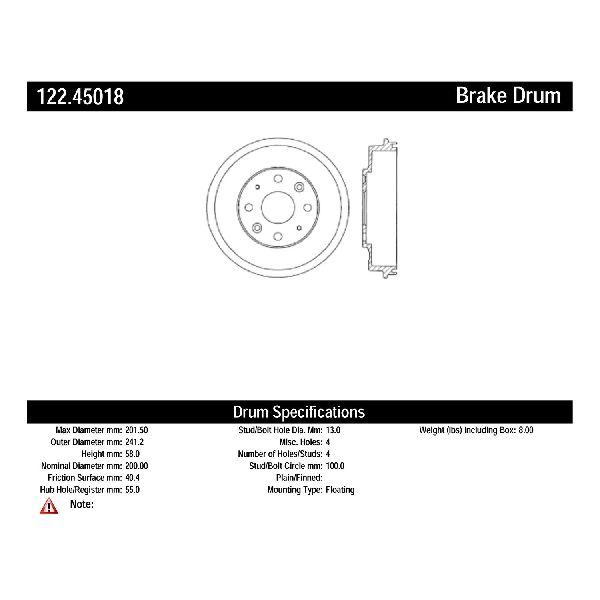
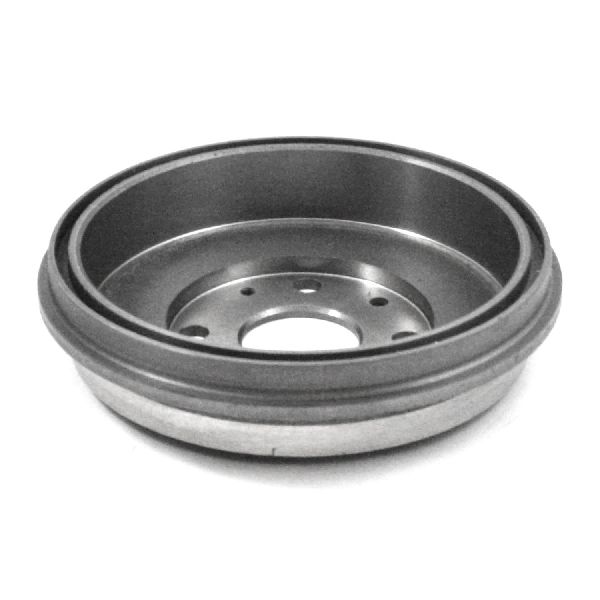
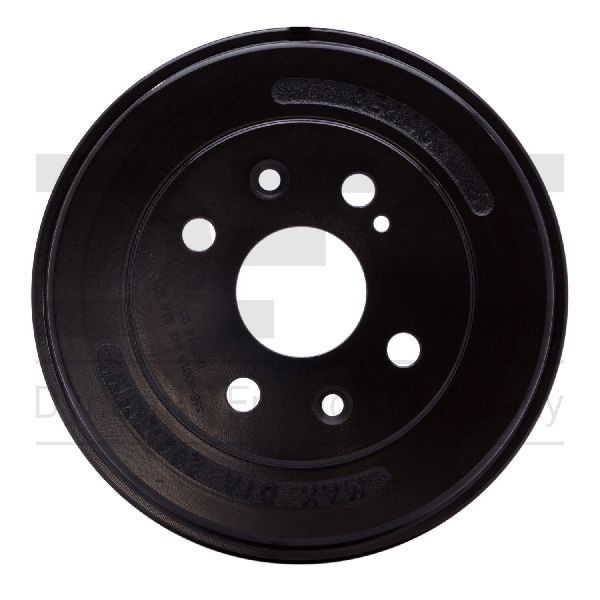
Technical Specifications
This part is specific to 1992-1996 Mazda MX-3 models equipped with rear drum brakes (typically 1.6L 4-cylinder models). V6 models may have rear disc brakes and use different components.
We Have This Part in Stock

The information in this article is provided for general reference and educational purposes only. Vehicle specifications, procedures, and part compatibility can vary by production date, trim level, and region. Always consult your vehicle's factory service manual and verify part numbers before purchasing or performing repairs. Safety-critical components such as airbags, seat belts, and braking systems should be installed by a qualified professional.
- Mazda MX-3: