

Mazda MX-3 Engine Coolant Temperature Sensor Guide (1992-1996)
Everything you need to know about the engine coolant temperature sensor for your 1992-1996 Mazda MX-3.
- The MX-3 has two temp sensors: one for the ECU (affects engine performance) and one for the dash gauge.
- Symptoms of a bad ECU sensor include poor MPG, overheating fans not turning on, and a Check Engine Light.
- No recalls exist for this part; failure is due to age and wear.
- A quality aftermarket brand like Delphi, NGK, or Standard Ignition is a reliable and cost-effective choice.
Understanding Your MX-3's Coolant Temperature Sensors
Your 1992-1996 Mazda MX-3 has two different sensors for engine temperature. It is critical to know which one you are replacing.
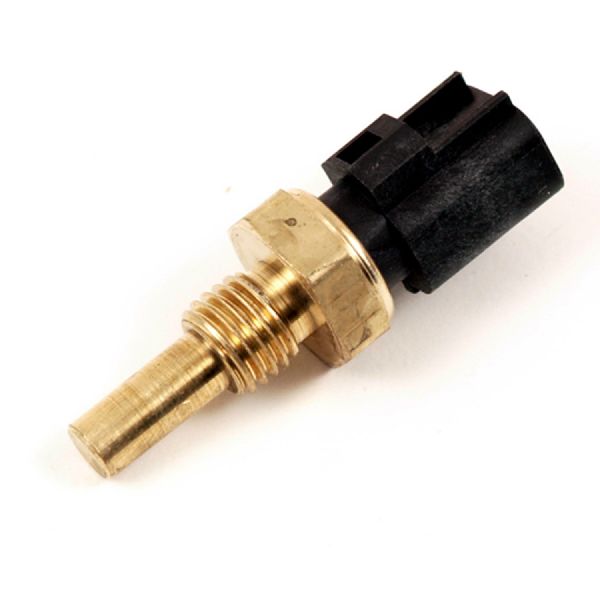
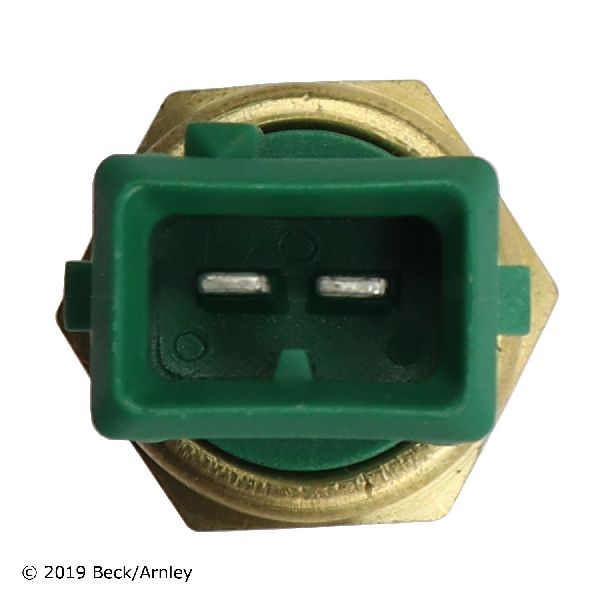
- Engine Coolant Temperature (ECT) Sensor: This is a two-wire sensor that sends information to the engine's computer (ECU). A failure here affects engine performance, fuel economy, and emissions. This is the part discussed in this guide.
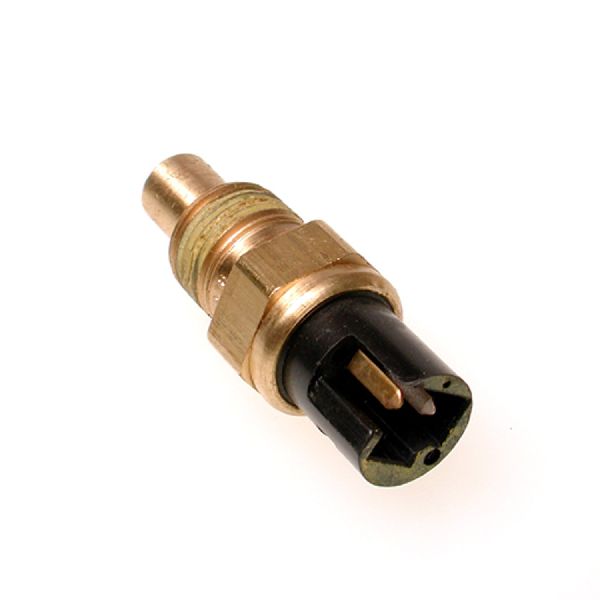
- Temperature Sender/Switch: This is a single-wire sensor that operates the temperature gauge on your dashboard. A failure here will only cause the gauge to read incorrectly and will not affect how the engine runs.
Before ordering, make sure you are diagnosing and replacing the correct sensor for your issue.
Symptoms of a Failing ECT Sensor
When the main ECT sensor fails, it sends incorrect information to the ECU, which can cause a variety of problems. The computer may think the engine is cold when it's hot, or hot when it's cold.
- Check Engine Light: This is often the first sign. The ECU will detect a problem with the sensor's signal and store a trouble code, such as P0117 (Signal Low) or P0118 (Signal High).
- Poor Fuel Economy: If the sensor incorrectly tells the ECU the engine is always cold, the computer will continuously run a rich fuel mixture, wasting gas.
- Black Smoke from Exhaust: This is a sign of a very rich fuel mixture, where unburned fuel is exiting through the exhaust.
- Engine Overheating: The ECT sensor also helps control the cooling fans. If it fails to report that the engine is hot, the fans may not turn on, leading to overheating in traffic or at idle.
- Rough Idle and Hard Starting: The ECU relies on an accurate temperature reading to set the correct idle speed and fuel mixture for starting. An incorrect signal can lead to a shaky idle or difficulty starting the engine.
No Recalls or Technical Service Bulletins
Searches of the National Highway Traffic Safety Administration (NHTSA) database show no recalls or technical service bulletins (TSBs) specifically related to the engine coolant temperature sensor for the 1992-1996 Mazda MX-3.
Choosing the Right Aftermarket Sensor
For a vehicle like the 1992-1996 MX-3, a quality aftermarket ECT sensor is a perfectly reliable and cost-effective choice. The original Mazda parts can be expensive and harder to find. Aftermarket brands offer a wide range of options.
Brand Quality Tiers
- Premium Aftermarket (Recommended): Brands like NGK, Delphi, Beck Arnley, and Standard Ignition (SMP) have a strong reputation for quality and reliability. They often manufacture parts for the original automakers and are an excellent choice for this critical sensor.
- Standard Aftermarket: Brands such as Four Seasons, Walker Products, and Holstein offer a good balance of price and quality. They are a dependable option for most repairs.
- Economy Brands: Brands like URO Parts, True Tech, and other lower-priced options can get your car back on the road, but may not offer the same long-term durability or precise calibration as higher-tier brands. They can be a viable choice for budget-conscious repairs.
| Part Type | Estimated Cost |
|---|---|
| New Aftermarket | $10 - $48 |
| New OEM | $50 - $65 |
| Shop Labor | $75 - $150 |
Frequently Asked Questions (FAQ)
Where is the ECT sensor located on the Mazda MX-3?
The ECT sensor for the ECU is typically a two-wire sensor located on the cylinder head, often near the thermostat housing at the front or on the back of the engine. The single-wire sensor for the dashboard gauge is in a separate location, sometimes under the distributor. Always verify the location on your specific engine (1.6L 4-cylinder or 1.8L V6) before starting.
Do I need to drain the coolant to replace the sensor?
You do not need to drain the entire system, but some coolant will leak out when you remove the old sensor. To minimize loss, have the new sensor ready to install quickly. Work on a cold engine to avoid burns and pressure release. After replacement, top off the coolant level in the radiator and reservoir.
My temperature gauge is acting weird, but the engine runs fine. Is it this sensor?
No. If the engine is running normally but the dashboard gauge is dead, erratic, or reading incorrectly, the problem is likely the separate single-wire temperature sender, the wiring to it, or the gauge itself. The ECT sensor discussed here is for the engine computer.
Can I test the old sensor before replacing it?
Yes. A coolant temperature sensor is a thermistor, meaning its electrical resistance changes with temperature. You can test it with a multimeter set to ohms. The resistance should be high when cold (e.g., thousands of ohms) and decrease significantly as it warms up (e.g., a few hundred ohms). However, given the low cost of a new part, replacement is often the quickest and most reliable solution.
Technical Specifications
OEM Part Numbers: B593-18-840A B593-18-840 8574-18-840
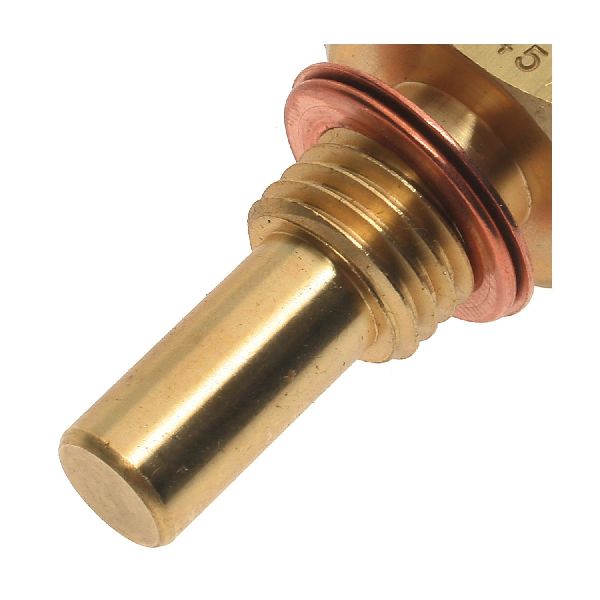
This is a two-terminal thermistor sensor that communicates with the Engine Control Unit. It should not be confused with the single-terminal sender for the dashboard gauge.
We Have This Part in Stock


The information in this article is provided for general reference and educational purposes only. Vehicle specifications, procedures, and part compatibility can vary by production date, trim level, and region. Always consult your vehicle's factory service manual and verify part numbers before purchasing or performing repairs. Safety-critical components such as airbags, seat belts, and braking systems should be installed by a qualified professional.
- Mazda MX-3: