

Mazda MX-3 Oxygen Sensor Guide: 1992-1996 Models
Fix your MX-3's poor fuel economy and rough idle by choosing the right replacement oxygen sensor.
- For best results and longevity, choose an oxygen sensor from Denso or NGK/NTK.
- Know your model year: 1992-1995 cars have different sensor needs than 1996 OBD-II cars.
- Be prepared for the old sensor to be seized in the exhaust; use penetrating oil and the correct socket.
- A bad oxygen sensor will cause poor fuel economy and a failed emissions test.
Is Your MX-3 OBD-I or OBD-II?
Before buying an oxygen sensor, you must know your car's diagnostic system. This changes the number of sensors your car has.
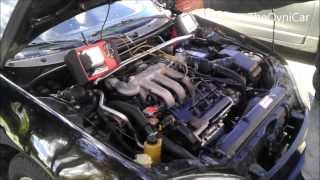
- 1992-1995 Models (OBD-I): These cars only have sensors before the catalytic converter (upstream). The 1.6L four-cylinder engine has one sensor. The 1.8L V6 engine has two upstream sensors, one for each exhaust manifold (often called front and rear bank).
- 1996 Models (OBD-II): These cars have at least one sensor before the catalytic converter (upstream) and one after it (downstream). The downstream sensor's only job is to monitor the health of the catalytic converter.
Symptoms of a Failing Oxygen Sensor
A bad oxygen sensor can make itself known in several ways. You might not notice a major problem at first, but the signs will get worse over time.
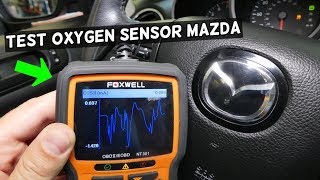
- Check Engine Light: This is the most common sign. A failing sensor will trigger a fault code and light up the dashboard. 🎬 Watch: How to tell if your Mazda oxygen sensor is bad For 1996 models, codes like P0130-P0160 often point to a bad sensor.
- Poor Fuel Economy: Your engine will burn more gas than it needs to because the air-fuel mixture is incorrect.
- Rough Idle and Misfires: The engine may run unevenly, stutter, or misfire, especially at idle.
- Failed Emissions Test: An O2 sensor is essential for passing an emissions or smog test. A faulty one is an automatic fail.
Choosing the Right Aftermarket Oxygen Sensor
For Japanese vehicles like the Mazda MX-3, brand choice matters. While many options are available, owner experiences point to a clear preference for reliability.
Tier 1: OEM-Equivalent Brands
These brands are known to be the original equipment manufacturers for Mazda and offer the best performance and longevity.
- Denso: Widely regarded as the best choice for Mazda vehicles. They provide reliable, consistent performance that matches the original factory part.
- NGK / NTK: NGK (under their NTK sensor brand) is another top-tier choice and a known OEM supplier for many Japanese cars. You cannot go wrong with an NTK sensor.
Tier 2: Quality Aftermarket Brands
These brands are well-known and generally produce quality parts, but may not have the same OEM reputation for this specific vehicle.
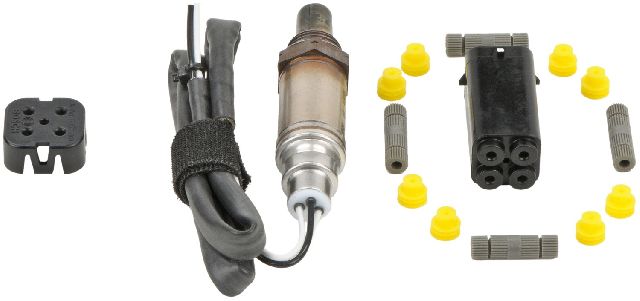
- Bosch: Bosch sensors get mixed reviews for Japanese cars. While they are a huge OEM supplier for European vehicles, many Mazda owners report better results with Denso or NGK. It's a viable option, but not the first choice.
- Delphi: A reputable manufacturer that produces a wide range of reliable automotive components.
Tier 3: Economy Brands
These brands offer a low-cost alternative, which can be tempting for an older vehicle. However, be aware that their lifespan and performance may not match the higher-tier options.
- DriveWire
- Spectra
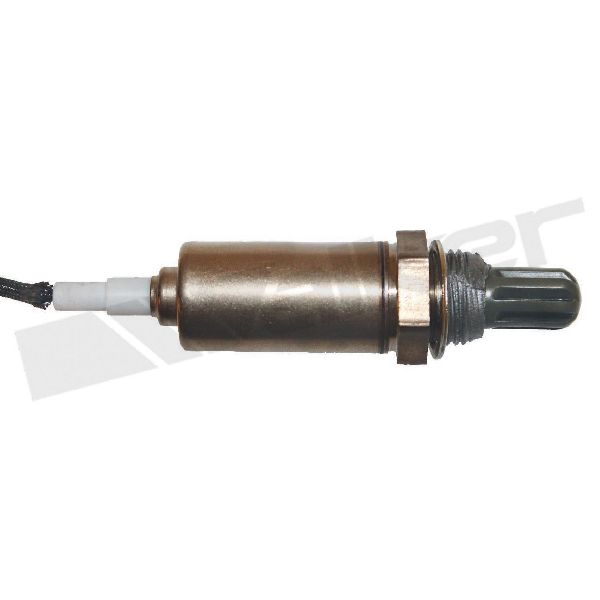
- Walker Products
Pro Tip: Dealing with a Seized Sensor
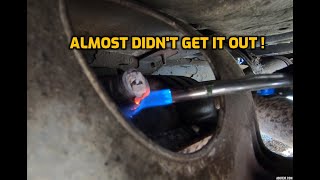
Mazda issued a Technical Service Bulletin (TSB 01-003/15) because oxygen sensors can get stuck (seized) in the exhaust pipe. To remove it without causing damage, let the exhaust cool completely. Spray a quality penetrating oil, like CRC Freeze-Off, on the threads and let it soak for several minutes. Use a special oxygen sensor socket, which has a slot for the wire, to get a good grip and turn the sensor out. 🎬 See this walkthrough on how to replace an oxygen sensor Applying heat is a last resort and should be done with extreme care.
🎬 Watch: Pro tips for removing a stuck or seized sensorCost of Replacing a Mazda MX-3 Oxygen Sensor (1992-1996)
| Part Type | Estimated Cost |
|---|---|
| New Aftermarket Sensor | $21 - $136 |
| Shop Labor | $90 - $150 |
| Total Estimated Cost | $111 - $286 |
Cost estimates are for a single sensor and may vary based on location, brand, and vehicle engine (1.6L vs 1.8L).
Frequently Asked Questions
How many oxygen sensors does my MX-3 have?
It depends on the year and engine. 1992-1995 1.6L models have one. 1992-1995 1.8L V6 models have two (one for each cylinder bank). 1996 models are OBD-II and have at least two sensors: one upstream (before the cat) and one downstream (after the cat).
Can I just clean my old oxygen sensor?
Cleaning is not a reliable or recommended fix. The sensing element degrades internally over time, and cleaning the outside will not restore its function. Replacement is the only correct solution.
What is the difference between an upstream and downstream sensor?
The upstream sensor (before the catalytic converter) is the primary sensor used to control the engine's air-fuel mixture. The downstream sensor (after the converter, on 1996+ models) only monitors the converter's efficiency and does not affect engine performance.
Do I need a special tool to replace an oxygen sensor?
Yes, an oxygen sensor socket is highly recommended. It's a deep socket with a cutout for the sensor's wire. Using one prevents damage to the new sensor and provides better leverage to remove the old, often seized, sensor.
Helpful Videos
Technical Specifications
OEM Part Numbers: B6BF-18-861 K802-18-861A
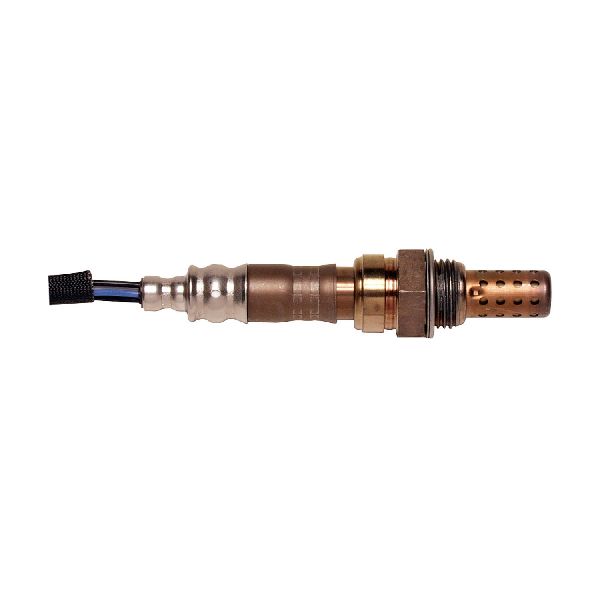
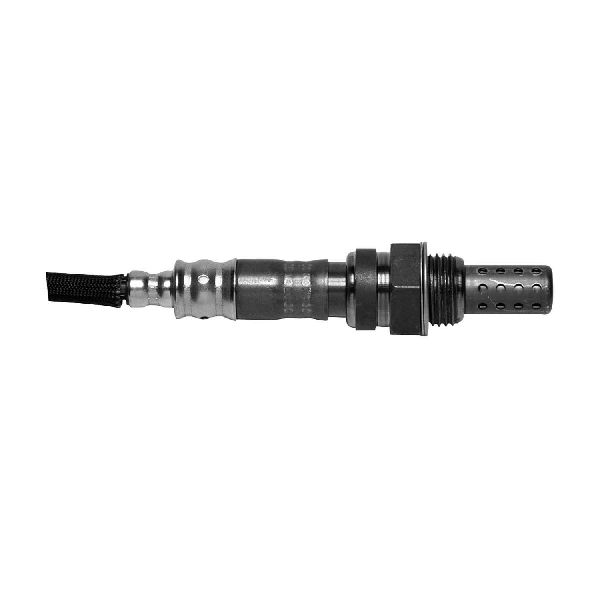
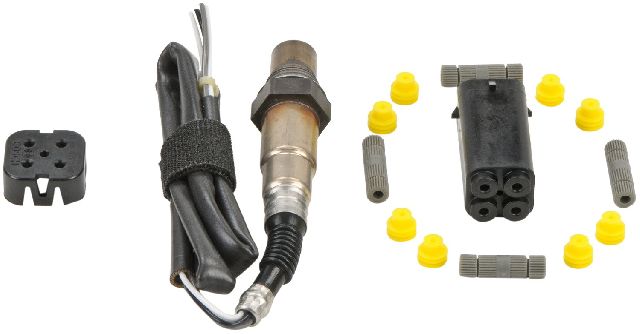
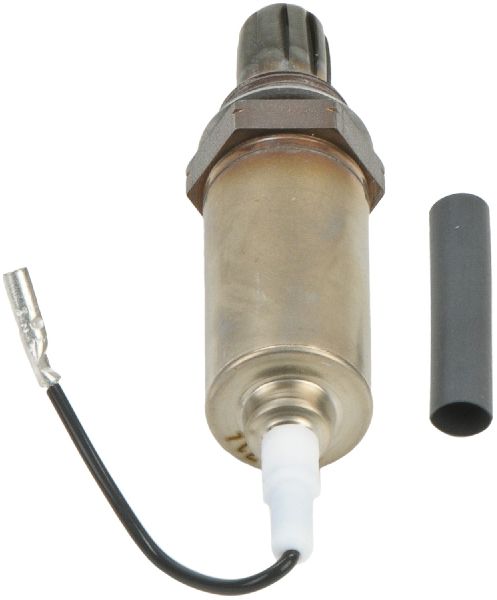
Fitment varies by engine (1.6L I4 vs 1.8L V6) and model year (OBD-I vs OBD-II). Most are heated 4-wire sensors with a direct-fit connector. Always verify the part number for your specific vehicle before ordering.
We Have This Part in Stock

The information in this article is provided for general reference and educational purposes only. Vehicle specifications, procedures, and part compatibility can vary by production date, trim level, and region. Always consult your vehicle's factory service manual and verify part numbers before purchasing or performing repairs. Safety-critical components such as airbags, seat belts, and braking systems should be installed by a qualified professional.
- Mazda MX-3:
- 🎬 Helpful Videos
- 🛍️ Shop This Part
- Is Your MX-3 OBD-I or OBD-II?
- Symptoms of a Failing Oxygen Sensor
- Choosing the Right Aftermarket Oxygen Sensor
- Tier 1: OEM-Equivalent Brands
- Tier 2: Quality Aftermarket Brands
- Tier 3: Economy Brands
- Pro Tip: Dealing with a Seized Sensor
- Cost of Replacing a Mazda MX-3 Oxygen Sensor (1992-1996)
- Frequently Asked Questions
- 🎟️ Get 5% Off