

Suspension Stabilizer Bar Link Kit Guide for 1992-1996 Toyota Camry
Eliminate clunking noises and restore handling in your Camry by choosing the right stabilizer link kit.
- A clunking noise over bumps is the number one symptom of a bad stabilizer link on a 1992-1996 Camry.
- Replacing links in pairs (both front or both rear) is essential for balanced handling.
- For most drivers, a quality sealed aftermarket link from a brand like Moog or Dorman offers a good balance of price and durability.
- Performance brands like Whiteline and Nolathane use polyurethane bushings for improved handling, but may result in a firmer ride.
Is Your Camry Making a Clunking Noise?
The most common sign of a failing stabilizer bar link is a distinct clunking or rattling sound from the front or rear suspension. This noise is most noticeable when driving over bumps, uneven pavement, or turning at lower speeds. You might also notice excessive body roll, where the car feels like it's leaning too much in turns, or a general looseness in the handling. Worn links have joints that are no longer tight, allowing them to knock against other suspension parts.
Don't Ignore the Noise
While a broken stabilizer link won't typically cause a catastrophic failure, it does compromise your vehicle's handling and stability. The noise will likely get worse over time, and the reduced stability can be a safety concern, especially in emergency maneuvers.
Choosing the Right Aftermarket Stabilizer Link Kit
For the 1992-1996 Toyota Camry, the original equipment (OEM) stabilizer links were well-made, but after decades of service, they are prone to wear. Aftermarket parts offer a wide range of options, from standard replacements to performance upgrades.
Brand Tiers for Your Camry
- Standard Replacement (Good): Brands like Dorman and Mevotech's standard grade offer a cost-effective solution for daily driving. They are designed to meet original specifications and restore the factory ride. While generally reliable for normal use, some owners report mixed long-term durability compared to premium options.
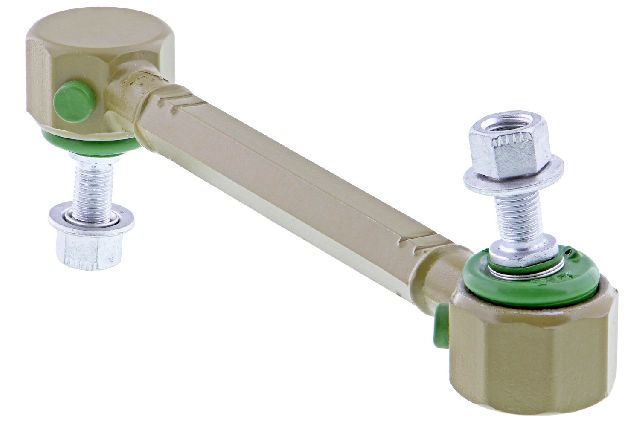
- Heavy-Duty (Better): Brands like Moog, and sometimes premium lines from Dorman or Mevotech's "Supreme" series, offer features like greasable joints or thicker materials for enhanced durability. These are a solid choice for drivers looking for a longer-lasting part than basic replacements.
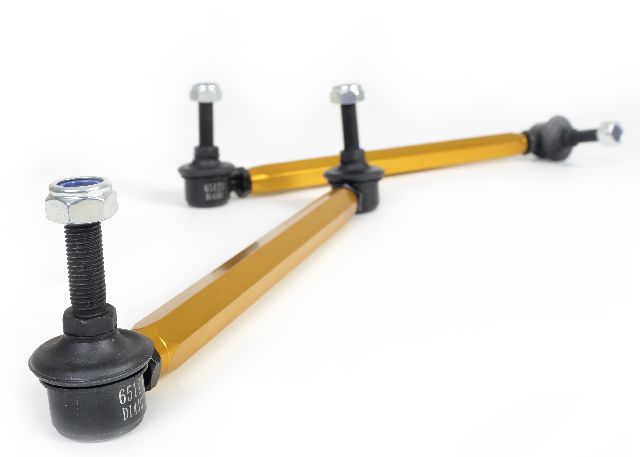
- Performance Upgrade (Best): Brands like Whiteline and Nolathane specialize in performance suspension components. Their stabilizer links often feature polyurethane bushings instead of traditional rubber. This results in a firmer, more responsive handling feel with less suspension flex. While they offer a noticeable performance gain, they can sometimes transmit more road noise and require periodic greasing. Whiteline and Nolathane are often considered the same product from the same parent company.
Pro Tip: It is highly recommended to replace stabilizer links in pairs (both front or both rear) to ensure even handling and predictable performance from side to side.
Typical Costs for 1992-1996 Toyota Camry
| Part/Service | Estimated Cost |
|---|---|
| New Aftermarket Stabilizer Link Kit (Per Axle) | $28.93 - $145.50 |
| New OEM Stabilizer Link (Per Corner) | $85 - $105 |
| Shop Labor for Replacement (Per Axle) | $80 - $150 |
Frequently Asked Questions
Do I need a special tool to replace my stabilizer links?
Usually, no. Replacement can be done with common hand tools like a ratchet, sockets (typically 14mm, 15mm, 17mm), and wrenches. Sometimes, the ball joint stud will spin when you try to loosen the nut. In this case, you may need an Allen key (5mm) or locking pliers to hold the stud while you turn the nut. Soaking the old nuts with penetrating oil beforehand is highly recommended.
Should I get greasable or sealed stabilizer links?
Sealed links, like the original parts, are maintenance-free. Greasable links have a fitting that allows you to add new grease, which can flush out contaminants and potentially extend the part's life. However, they require periodic maintenance. For most Camry owners, a quality sealed link is sufficient and simpler.
What's the difference between rubber and polyurethane bushings?
Rubber bushings, used in OEM and most standard aftermarket links, provide a comfortable, quiet ride by absorbing vibration. Polyurethane bushings, found in performance brands like Whiteline and Nolathane, are much stiffer. This reduces suspension flex for sharper handling but can make the ride feel firmer and may transmit more noise.
Do I need a wheel alignment after replacing the stabilizer links?
No, a wheel alignment is not typically required after replacing only the stabilizer bar links. The links do not affect the primary alignment angles (camber, caster, toe). An alignment is necessary if you replace other components like struts, control arms, or tie rods.
Technical Specifications
OEM Part Numbers: 48820-33010 (Front) 48830-33010 (Rear)
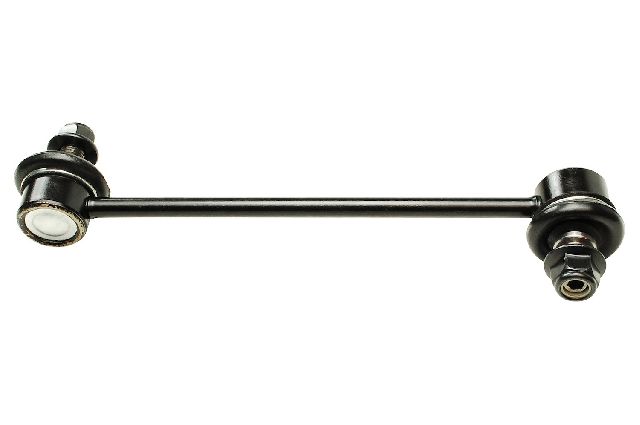
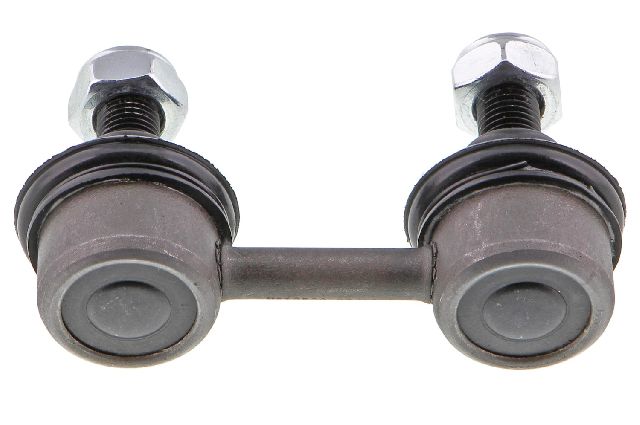
The 1992-1996 Toyota Camry uses a ball-joint style stabilizer link for both the front and rear suspension. The front links connect the stabilizer bar to the strut assembly, while the rear links connect the stabilizer bar to the strut assembly as well.
We Have This Part in Stock

The information in this article is provided for general reference and educational purposes only. Vehicle specifications, procedures, and part compatibility can vary by production date, trim level, and region. Always consult your vehicle's factory service manual and verify part numbers before purchasing or performing repairs. Safety-critical components such as airbags, seat belts, and braking systems should be installed by a qualified professional.
- Toyota Camry: