

Chevrolet Caprice Engine Mount Guide: 1992-1997
Stop the shaking and clunking by choosing the right replacement engine mount for your V8 Caprice.
- The main choice is between standard rubber mounts for comfort (Anchor, DEA) and polyurethane mounts for performance and durability (Energy Suspension).
- Symptoms of failure include heavy vibration at idle, clunking noises when shifting, and visible engine rocking.
- There are no specific recalls or TSBs from GM or NHTSA for engine mounts on the 1992-1997 Caprice.
- Replacement is a feasible DIY job for those with the right tools and safety equipment.
Is Your Caprice Shaking, Rattling, or Clunking?
A common issue on the 1992-1997 Chevrolet Caprice, especially as it ages, is the failure of the engine mounts. When new, these mounts provide a smooth, quiet ride. But after decades of heat and stress from the engine, the rubber inside them breaks down. This leads to symptoms that can make your car feel old and worn out.
Common Symptoms of a Bad Engine Mount:
- Excessive Vibration: You might feel a deep vibration through the steering wheel, floor, or seats, especially when the car is idling in gear at a stoplight.
- Clunking Noises: A loud 'clunk' or 'thud' from the engine bay when you accelerate, decelerate, or shift from Park into Drive or Reverse is a classic sign. This is the sound of the engine physically moving and hitting other parts because the mount can no longer hold it steady.
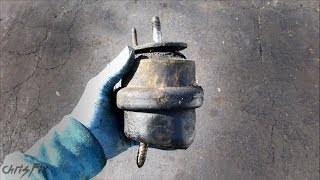
- Visible Engine Movement: If you have a helper safely put the car in Drive (with their foot firmly on the brake) and lightly press the gas, you may see the engine lift or rock excessively. An engine should only move slightly, not jump inches. 🎬 Watch this video to see how to diagnose bad mounts.
Choosing the Right Aftermarket Engine Mount
When shopping for a new engine mount, you have two main choices for your Caprice: standard rubber replacements that mimic the original feel, or performance polyurethane mounts that offer more durability at the cost of comfort.
Tier 1: Standard OE-Style Rubber Mounts
Brands: Anchor, DEA, Westar, Pioneer
These mounts are designed to be direct, affordable replacements for the original factory mounts. They use a similar rubber compound to absorb vibrations and provide a comfortable ride, just like the car did when it was new. For most owners who use their Caprice as a daily driver or a comfortable cruiser, this is the correct choice. However, online forums show mixed reviews on the long-term durability of some budget-friendly brands, with some users experiencing premature failure. They are a cost-effective solution, but may not last as long as original GM parts.
Tier 2: Performance Polyurethane Mounts
Brands: Energy Suspension
For the enthusiast who wants to improve performance and durability, polyurethane mounts are a popular upgrade. Polyurethane is a much stiffer material than rubber and is resistant to oil and chemicals that can destroy rubber mounts. This stiffness locks the engine down, preventing movement and improving throttle response because more power is transferred to the wheels instead of being wasted on engine flex. The downside is a significant increase in Noise, Vibration, and Harshness (NVH). You will feel more engine vibration in the cabin, especially at idle. This is a great choice for a modified or performance-oriented Caprice, but may be too harsh for a stock daily driver.
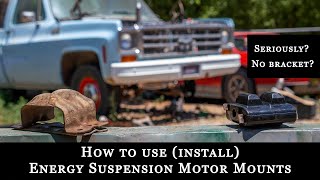
🎬 See how to properly install Energy Suspension polyurethane mounts.Aftermarket Engine Mount Cost
| Category | Price Range |
|---|---|
| Standard Replacement (Anchor, DEA, Westar) | $16 - $30 per mount |
| Performance Polyurethane (Energy Suspension) | $35 - $45 per mount |
Frequently Asked Questions (FAQ)
How can I be sure my engine mounts are bad?
The most definitive test is to have a helper watch the engine. With the parking brake on and their foot firmly on the brake pedal, have them shift the car from Park to Reverse, then to Drive, while you watch the engine. If the engine lifts or rocks more than an inch or two, the mounts are worn out. You can also visually inspect the mounts for cracked, torn, or oil-soaked rubber.
Can I replace the engine mounts myself?
Yes, for a moderately skilled DIY mechanic, this is a manageable job. It requires safely supporting the engine from below with a jack and a block of wood, then unbolting the old mount and installing the new one. Always use jack stands for safety when working under your vehicle. 🎬 Watch a step-by-step walkthrough of the GM motor mount replacement. Ensure you watch the distributor cap to make sure it doesn't hit the firewall when lifting the engine.
Should I choose rubber or polyurethane mounts?
Choose rubber (brands like Anchor, DEA, Westar) if you want to maintain the original smooth, comfortable ride of your Caprice. Choose polyurethane (Energy Suspension) if you have a performance-modified car, want maximum durability, and don't mind feeling more engine vibration in the cabin.
Are there any recalls or TSBs for Caprice engine mounts?
No. Searches of the National Highway Traffic Safety Administration (NHTSA) database did not find any safety recalls or Technical Service Bulletins (TSBs) specifically for engine mount failure on the 1992-1997 Chevrolet Caprice.
Frequently Asked Questions (FAQ)
How can I be sure my engine mounts are bad?
The most definitive test is to have a helper watch the engine. With the parking brake on and their foot firmly on the brake pedal, have them shift the car from Park to Reverse, then to Drive, while you watch the engine. If the engine lifts or rocks more than an inch or two, the mounts are worn out. You can also visually inspect the mounts for cracked, torn, or oil-soaked rubber.
Can I replace the engine mounts myself?
Yes, for a moderately skilled DIY mechanic, this is a manageable job. It requires safely supporting the engine from below with a jack and a block of wood, then unbolting the old mount and installing the new one. Always use jack stands for safety when working under your vehicle. 🎬 Watch a step-by-step walkthrough of the GM motor mount replacement. Ensure you watch the distributor cap to make sure it doesn't hit the firewall when lifting the engine.
Should I choose rubber or polyurethane mounts?
Choose rubber (brands like Anchor, DEA, Westar) if you want to maintain the original smooth, comfortable ride of your Caprice. Choose polyurethane (Energy Suspension) if you have a performance-modified car, want maximum durability, and don't mind feeling more engine vibration in the cabin.
Are there any recalls or TSBs for Caprice engine mounts?
No. Searches of the National Highway Traffic Safety Administration (NHTSA) database did not find any safety recalls or Technical Service Bulletins (TSBs) specifically for engine mount failure on the 1992-1997 Chevrolet Caprice.
Helpful Videos

Technical Specifications
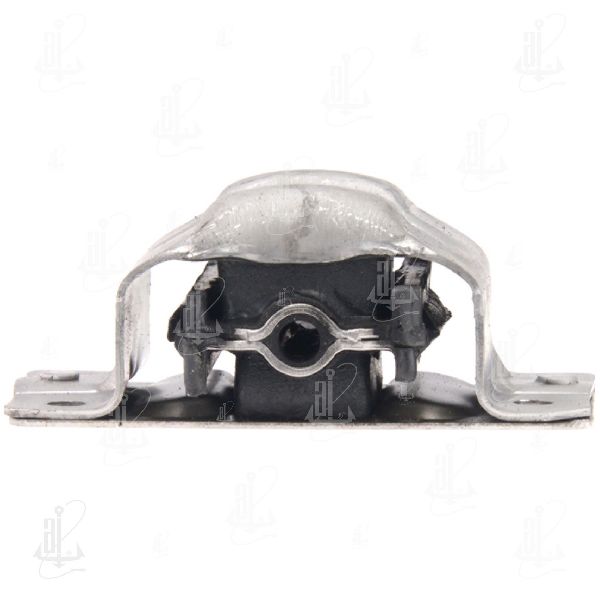
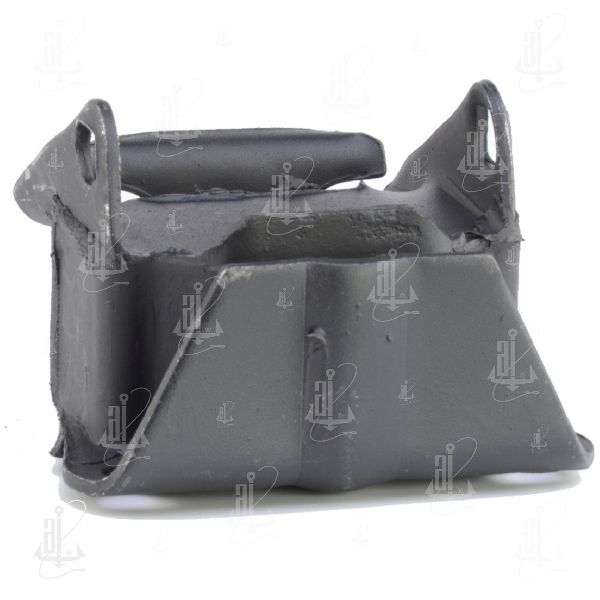
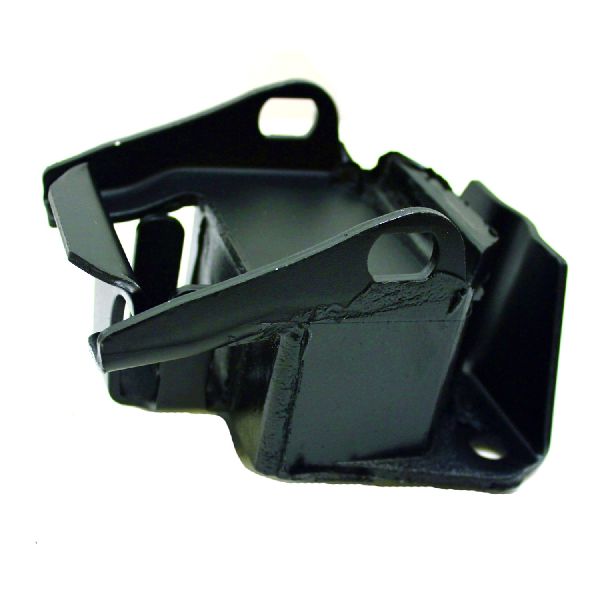
Standard aftermarket part number is often 2292. Polyurethane inserts from Energy Suspension are also available, which reuse the original metal clamshell bracket.
We Have This Part in Stock


The information in this article is provided for general reference and educational purposes only. Vehicle specifications, procedures, and part compatibility can vary by production date, trim level, and region. Always consult your vehicle's factory service manual and verify part numbers before purchasing or performing repairs. Safety-critical components such as airbags, seat belts, and braking systems should be installed by a qualified professional.
- Chevrolet Caprice:
- 🎬 Helpful Videos
- 🛍️ Shop This Part
- Is Your Caprice Shaking, Rattling, or Clunking?
- Common Symptoms of a Bad Engine Mount:
- Choosing the Right Aftermarket Engine Mount
- Tier 1: Standard OE-Style Rubber Mounts
- Tier 2: Performance Polyurethane Mounts
- Aftermarket Engine Mount Cost
- How can I be sure my engine mounts are bad?
- Can I replace the engine mounts myself?
- Should I choose rubber or polyurethane mounts?
- Are there any recalls or TSBs for Caprice engine mounts?
- 🎟️ Get 5% Off