

Ignition Control Module Guide for the 1994-1996 Chevrolet Impala SS
Diagnose and replace the ignition control module on your LT1-powered Impala to solve stalling and no-start issues.
- The most common symptom of failure is the engine stalling when hot and restarting after it cools down.
- Applying thermal paste between the new module and its heat sink is absolutely required to prevent premature failure.
- For maximum reliability, many LT1 owners recommend using a genuine ACDelco OEM replacement part.
- The ICM is a separate part from the Opti-Spark distributor and is much easier to replace.
Understanding the Ignition Control Module in Your Impala SS

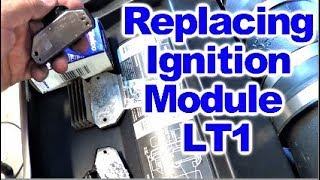
While this guide focuses on the 1994-1996 Chevrolet Impala SS, the information also applies to other GM vehicles from that era with the 5.7L LT1 engine, such as the Chevrolet Caprice, Buick Roadmaster, and Cadillac Fleetwood. The ignition control module (ICM) is a known failure point on these cars. Its job is to manage the ignition coil, creating the spark that ignites the fuel in your engine. Due to its location on the hot cylinder head, heat is the primary cause of failure, leading to frustrating and sudden engine problems.
Common Symptoms of a Failing Ignition Control Module

A bad ICM often fails when it gets hot and may work again after it cools down. This can make diagnosis tricky. If you experience the following, your ICM is a likely suspect:
- Engine Stalls and Won't Restart: The most common symptom is the engine dying suddenly while driving, especially after it has warmed up. It will crank but won't fire up until the module has cooled for several minutes.
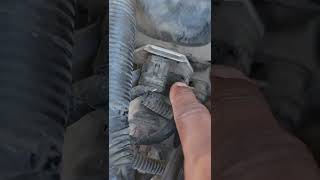
- No-Start Condition: The engine cranks over normally but refuses to start, even when cold. You may smell fuel, but there is no spark at the plugs. 🎬 Watch: Troubleshooting a crank no start and changing the module.
- Hesitation and Misfires: The car may hesitate, sputter, or misfire during acceleration or at a steady speed. This can feel like a loss of power or a slight stutter.
- Rough Idle: The engine may idle poorly or feel shaky.
Heat is the Enemy
The vast majority of ICM failures are heat-related. The module is a powerful transistor that generates its own heat while switching the ignition coil. When it can no longer dissipate that heat effectively, it fails. This is why replacement requires a special heat-transfer compound.
Choosing the Right Aftermarket Module

When your ICM fails, you have a few replacement options. For a critical part like this, quality matters.
- OEM (ACDelco): ACDelco was the original equipment manufacturer for General Motors. For the LT1, many owners and mechanics strongly recommend using a genuine ACDelco module. While it is the most expensive option, it is widely considered the most reliable and durable choice.
- Premium Aftermarket (Delphi): Delphi was also a major OE supplier for GM and their parts are generally considered high quality. They are a solid alternative to ACDelco and often come at a slightly lower price point.
- Standard Aftermarket (Standard Motor Products): Brands like Standard Ignition (SMP) offer a more budget-friendly option. While functional, their long-term durability under the high-heat conditions of the LT1 engine bay may not match that of OEM or premium brands.
Cost of Replacing Your Ignition Control Module
| Part Type | Estimated Cost |
|---|---|
| New Aftermarket (Standard) | $87 - $130 |
| New Aftermarket (Premium) | $132 - $139 |
| New OEM (ACDelco) | $239 - $269 |
| Used OEM | $50 - $75 |
| Shop Labor | $75 - $125 |
Pro Tip: Thermal Paste is Not Optional
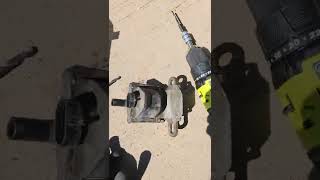
When installing a new ICM, you MUST apply a thin layer of thermal heat sink compound (not dielectric grease) to the metal back of the module. This paste fills microscopic air gaps, allowing heat to transfer from the module to the metal heat sink. Without it, your new module will quickly overheat and fail. 🎬 See how to relocate the module and apply thermal paste. Also, take the time to clean the ground wires that attach to the coil bracket to ensure a solid connection.
Frequently Asked Questions (FAQ)

Can I replace the ignition control module myself?
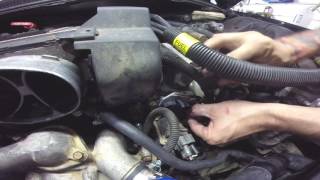
Yes, this is a very DIY-friendly job. The module is located on the driver's side cylinder head and is held on by two small bolts. The only tools typically needed are a ratchet with a small socket (often 5.5mm or 7/32") and a pocket screwdriver to release the electrical connector clip. The entire job can usually be done in under an hour.
🎬 Watch this step-by-step guide to replacing the coil and module.Is the Ignition Control Module part of the Opti-Spark?
No. On the LT1 engine, the ICM is a separate, externally mounted component. It receives its signal from the Opti-Spark distributor, but it is not physically inside it. This is good news, as replacing the ICM is much easier and cheaper than replacing the entire Opti-Spark unit.
Are there any recalls for the Impala ignition control module?
No, there have been no specific recalls for the ignition control module on the 1994-1996 Impala SS. There was a major GM recall for faulty ignition *switches* in the mid-2010s, but that is a different part and primarily affected other vehicle models.
My mechanic tested the module and said it's good, but the car still stalls when hot. What now?
This is a common issue. An ICM can test perfectly fine when it is cold but still fail when it reaches operating temperature. Many auto parts stores have ICM testers, but they often don't get the module hot enough to replicate a heat-related failure. If your symptoms perfectly match a failing ICM (stalling when hot, restarting after cooldown), the module is still the most likely culprit despite a good cold test.
Helpful Videos
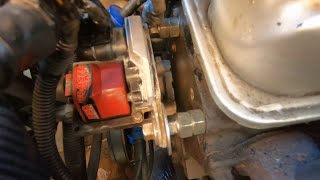
Technical Specifications
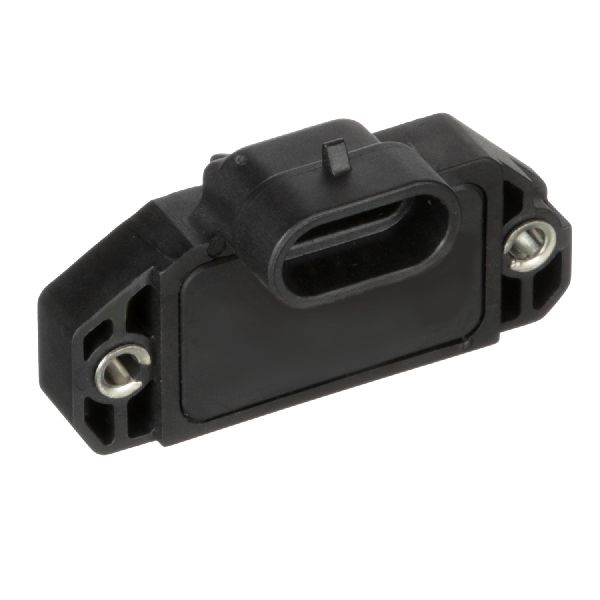
OEM Part Numbers: 10483139 D1986A 10482803 19257728
Externally mounted electronic ignition module for GM LT1 engines. Requires application of thermal heat sink compound for proper operation. Part numbers may differ between 1994-1995 and 1996-1997 models.
We Have This Part in Stock


The information in this article is provided for general reference and educational purposes only. Vehicle specifications, procedures, and part compatibility can vary by production date, trim level, and region. Always consult your vehicle's factory service manual and verify part numbers before purchasing or performing repairs. Safety-critical components such as airbags, seat belts, and braking systems should be installed by a qualified professional.
- Chevrolet Impala:
- 🎬 Helpful Videos
- 🛍️ Shop This Part
- Understanding the Ignition Control Module in Your Impala SS
- Common Symptoms of a Failing Ignition Control Module
- Heat is the Enemy
- Choosing the Right Aftermarket Module
- Cost of Replacing Your Ignition Control Module
- Pro Tip: Thermal Paste is Not Optional
- Frequently Asked Questions (FAQ)
- 🎟️ Get 5% Off