

Dodge Viper Gen 1 (1992-1997) Engine Coolant Temperature Sensor Guide
Solve your Viper's gauge problems or Check Engine Light by replacing the right sensor.
- The 1992-1997 Viper has two separate sensors: one for the ECU (performance) and one for the dash gauge.
- Diagnose your symptoms carefully to ensure you purchase the correct part.
- Quality aftermarket brands like Delphi, NGK, and Standard Ignition are reliable, cost-effective alternatives to OEM parts.
- Before replacing parts, ensure the cooling system is full and free of air bubbles, a common issue on these cars.
Is it the Gauge Sender or the ECU Sensor?
Before buying a part, you must know which sensor has failed. The Gen 1 Viper uses two different parts for two different jobs. Diagnosing the symptom is the key to ordering the correct one.
- If your temperature gauge is inaccurate, dead, or erratic: You likely need the Temperature Gauge Sending Unit (OEM Part #56027012). This problem will not usually cause a Check Engine Light.
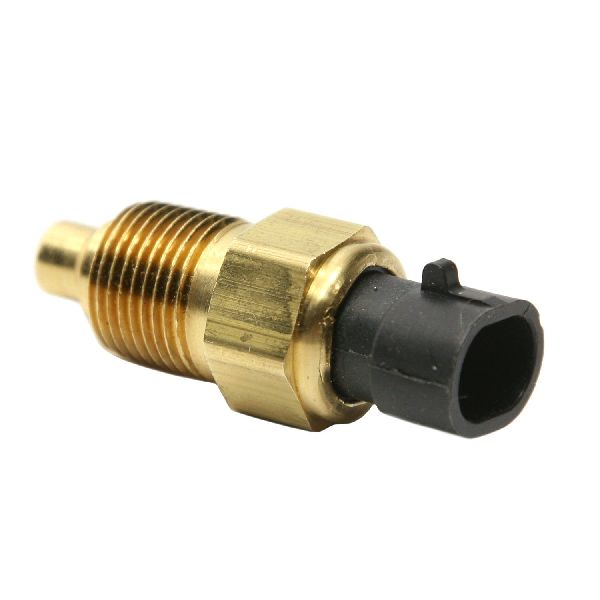
- If your Check Engine Light is on and you have performance issues: You likely need the Engine Coolant Temperature (ECT) Sensor for the ECU (OEM Part #05226374). Symptoms include poor fuel economy, rough idle, or black smoke.
Symptoms of a Failing Coolant Temperature Sensor
Knowing the signs of failure will help you diagnose the issue correctly.
Symptoms of a Bad ECU Sensor (for the computer):
- Check Engine Light: This is the most common sign. The sensor will trigger codes like P0117 (low input) or P0118 (high input).
- Poor Fuel Economy: The ECU may think the engine is always cold, causing it to run rich and burn more fuel than necessary.
- Rough Idle and Poor Performance: Incorrect fuel and timing adjustments from bad data can cause hesitation and a rough idle.
- Black Smoke from Exhaust: A sign of an overly rich fuel mixture, which can be caused by a faulty sensor telling the ECU the engine is cold.
- Cooling Fans Run Constantly or Not at All: The ECU controls the electric cooling fans based on the sensor's reading. A bad sensor can cause them to run when not needed or fail to turn on, risking an overheat.
Symptoms of a Bad Gauge Sending Unit:
- Inaccurate Gauge Reading: The needle may show the engine is running very hot or very cold, not matching its actual operating temperature.
- No Gauge Reading: The temperature gauge may not move at all, staying on "Cold".
- Erratic Gauge Behavior: The needle might jump around unpredictably.
Pro Tip: Check for Air Pockets
Gen 1 Vipers are known for being tricky to bleed all the air out of the cooling system. An air bubble trapped near the sensor can cause inaccurate readings or overheating. Before replacing parts, ensure your cooling system is properly "burped" and full.
Choosing the Right Aftermarket Brand
For a simple part like a temperature sensor, a quality aftermarket brand is a reliable and cost-effective choice. Here’s a breakdown of available brands.
- Premium Brands (Delphi, NGK/NTK): These companies are often Original Equipment (OE) manufacturers for major automakers. Their sensors are built to meet or exceed factory specifications and are known for accuracy and long life. They are an excellent choice for peace of mind.
- Standard Aftermarket (Standard Ignition, Four Seasons, Motorad): These are well-respected brands in the aftermarket with a long history of producing reliable replacement parts. They offer a great balance of quality and value and are a solid choice for most owners.
- Economy Brands (Holstein, True Tech): These brands focus on providing the most affordable option. While functional, they may not have the same level of validation or use the same premium materials as higher-priced brands.
Cost of Replacing a Coolant Temperature Sensor
The cost is low, especially if you do the work yourself. The part itself is inexpensive, and labor is minimal.
| Item | Estimated Cost |
|---|---|
| New Aftermarket Sensor | $12.88 - $46.64 |
| New OEM (Mopar) Sensor | $35.00 - $75.00 |
| Shop Labor | $75.00 - $150.00 |
Frequently Asked Questions
Where are the coolant sensors located on a Gen 1 Viper?
The sensors are threaded into coolant passages on the engine. The ECU sensor is often found on the driver's side of the engine, while the gauge sender may be in a similar area. A service manual for your specific year is the best way to confirm the exact location.
Can I replace the sensor myself?
Yes, this is a great DIY job for most owners. The process involves unplugging the electrical connector, unscrewing the old sensor, and quickly screwing in the new one. Some coolant will leak out, so the engine must be cool. Always have some fresh coolant on hand to top off the system afterward.
Do I need to drain the coolant to replace the sensor?
You do not need to drain the entire system. If you are quick, you will only lose a small amount of coolant as you swap the sensors. Place a rag underneath to catch drips and be prepared to top off the system when you are done.
Are there any recalls or TSBs for this part?
No, searches of the NHTSA database and other sources did not find any recalls or Technical Service Bulletins (TSBs) specifically related to the engine coolant temperature sensors for the 1992-1997 Dodge Viper.
Technical Specifications
OEM Part Numbers: 56027012 (Gauge Sending Unit) 05226374 (ECU Sensor)
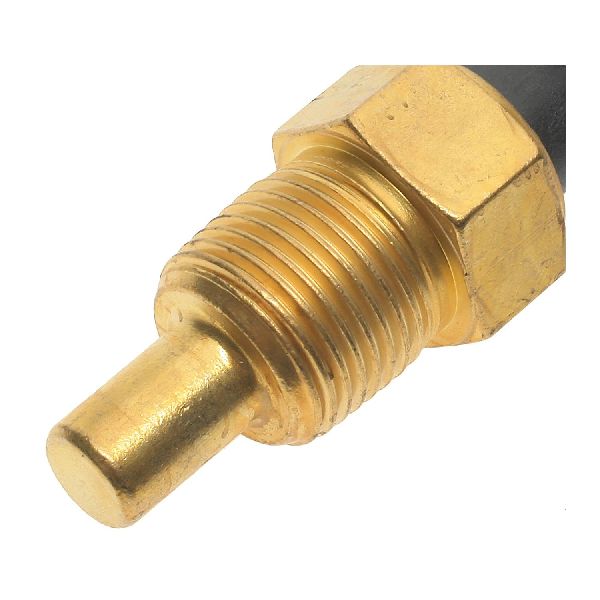
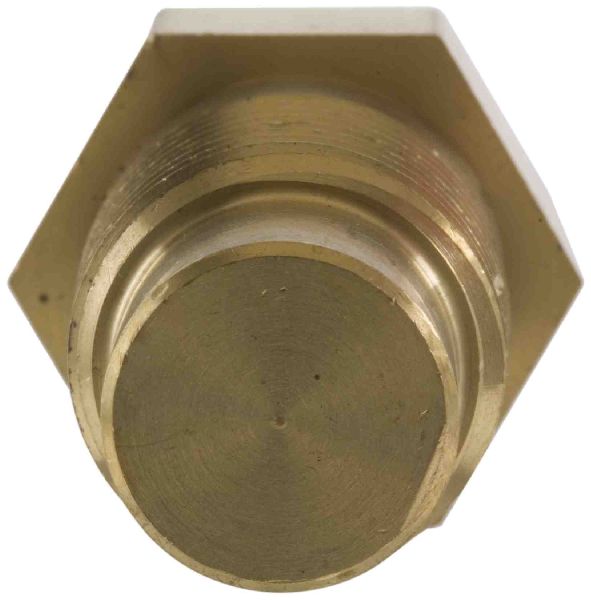
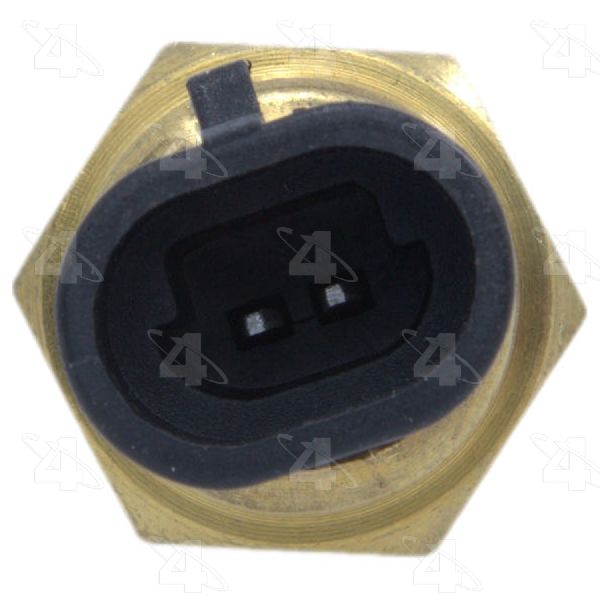
ECU Sensor: 2-pin oval connector. Gauge Sender: Varies, check original part.
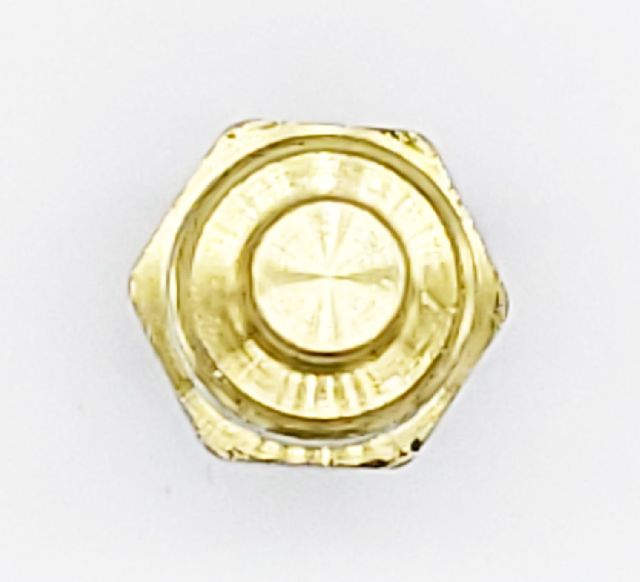
We Have This Part in Stock


The information in this article is provided for general reference and educational purposes only. Vehicle specifications, procedures, and part compatibility can vary by production date, trim level, and region. Always consult your vehicle's factory service manual and verify part numbers before purchasing or performing repairs. Safety-critical components such as airbags, seat belts, and braking systems should be installed by a qualified professional.
- Dodge Viper:
- 🛍️ Shop This Part
- Is it the Gauge Sender or the ECU Sensor?
- Symptoms of a Failing Coolant Temperature Sensor
- Symptoms of a Bad ECU Sensor (for the computer):
- Symptoms of a Bad Gauge Sending Unit:
- Pro Tip: Check for Air Pockets
- Choosing the Right Aftermarket Brand
- Cost of Replacing a Coolant Temperature Sensor
- Frequently Asked Questions
- 🎟️ Get 5% Off