

Dodge Viper Engine Oil Pressure Switch Guide (1992-1997)
Erratic oil pressure gauge readings on your Gen 1 Viper are a common issue, and the sending unit is the likely cause.
- Erratic gauge readings are the most common symptom of a failing oil pressure switch.
- Always verify actual oil pressure with a mechanical gauge before assuming the switch is the only problem.
- Driving with a suspected bad switch is risky, as you can't monitor the engine's health.
- High-quality aftermarket brands are a viable alternative to more expensive OEM parts for this component.
Is Your Viper's Oil Pressure Gauge Acting Strange?
If you own a first-generation Dodge Viper, you know the gauges are a key part of the driving experience. When the oil pressure gauge starts giving wild readings, it's a cause for concern. Common signs of a failing oil pressure switch include the gauge needle dropping to zero, pegging at maximum, or bouncing around randomly. You might also see the gauge show pressure even when the engine is turned off. 🎬 Watch: 9 warning signs of a bad oil pressure sensor In some cases, the sensor can fail internally and leak oil through its electrical connector.
First, Verify the Pressure
Before replacing the switch, it's wise to confirm the engine's actual oil pressure. A mechanic can do this by connecting a mechanical pressure gauge. 🎬 See how to test oil pressure with basic tools This test will prove whether you have a bad sensor or a more serious internal engine problem. Low oil pressure is not something to ignore.
Choosing the Right Aftermarket Switch
For a high-performance car like the Viper, part quality matters. While OEM Mopar parts are the original standard, several aftermarket brands offer replacements. Here’s an honest look at the available options.
- Premium Aftermarket (e.g., Standard Ignition): Brands like Standard Motor Products (SMP) have a long-standing reputation for producing quality engine management components. They often engineer their parts to meet or exceed original specifications and are a trusted choice for many mechanics. While they may cost more than budget options, they are a solid alternative to OEM.
- Standard Aftermarket (e.g., Walker Products): Walker is another established brand that produces a wide range of sensors. They state their parts are tested to OE specs and made with quality materials for durability. These are typically a good balance of price and quality for a daily driver or a car that sees regular use.
- Budget-Friendly (e.g., Global Parts): These parts offer the lowest price point. While they can be a good value, their long-term durability and the accuracy of their readings may not match that of premium brands or OEM. For a vehicle like the Viper, a part this critical to engine monitoring might not be the best place to save money.
OEM vs. Aftermarket for the Viper
Many Viper enthusiasts prefer to use OEM Mopar parts when possible to maintain originality and for peace of mind. However, a high-quality aftermarket part from a reputable brand like Standard Ignition is generally considered a reliable repair. Given the straightforward function of this sensor, a premium aftermarket unit is a very practical choice.
Cost of a New Oil Pressure Switch
| Part Type | Estimated Cost |
|---|---|
| New OEM (Mopar) | $40 - $60 |
| New Aftermarket | $13 - $74 |
| Shop Labor | $60 - $120 |
Frequently Asked Questions
Is it my oil pump or just the sensor?
In most cases, an erratic gauge points to a failed sensor, which is a common issue. An oil pump failure is much more serious and less common. A mechanical oil pressure test is the only way to know for sure.
Can I drive with a bad oil pressure switch?
It is not recommended. If the switch is faulty, you have no way of knowing your engine's true oil pressure. If the pressure is actually low, driving the car could lead to severe engine failure.
Where is the oil pressure switch located on a 1992-1997 Viper?
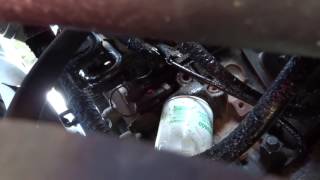
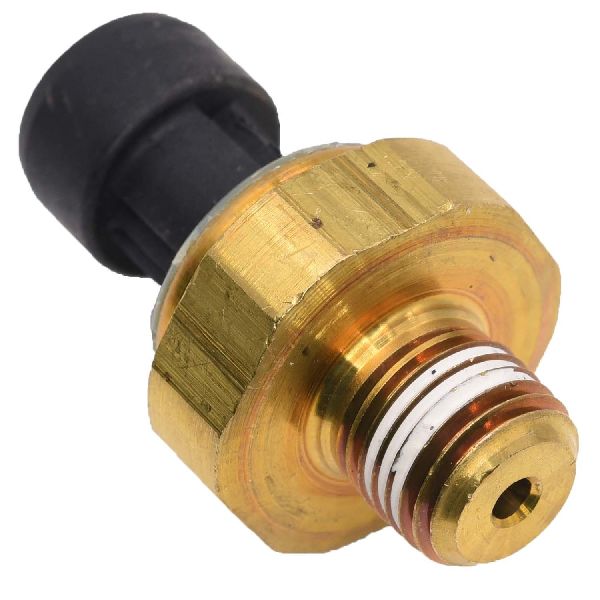
The oil pressure sending unit is located on the engine block, typically near the oil filter. It can be somewhat difficult to access and may require a special socket for removal.
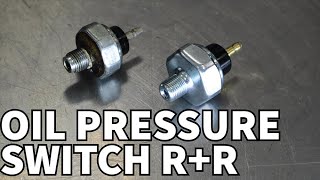
🎬 Watch this walkthrough for removing and replacing the switchWill a bad switch cause an oil leak?
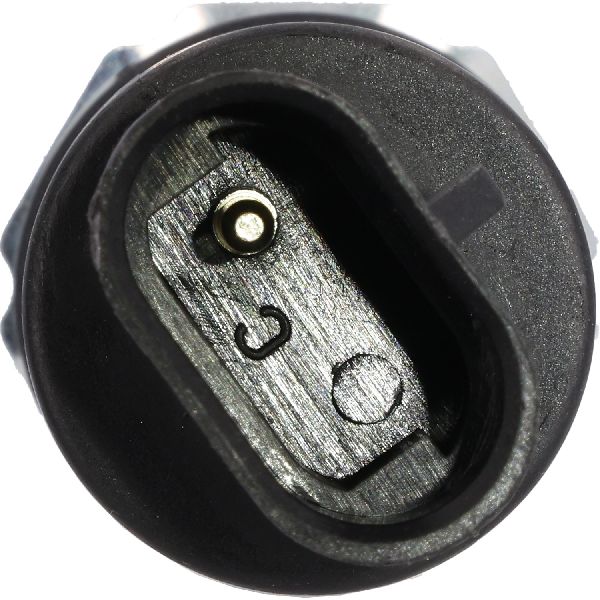
Yes. It is common for a failing switch to leak oil. The leak can come from the threads, but often the internal seal fails and oil is pushed out through the top where the electrical connector plugs in.
Helpful Videos
Technical Specifications
OEM Part Numbers: 33004791ab 56026779AB 4608303
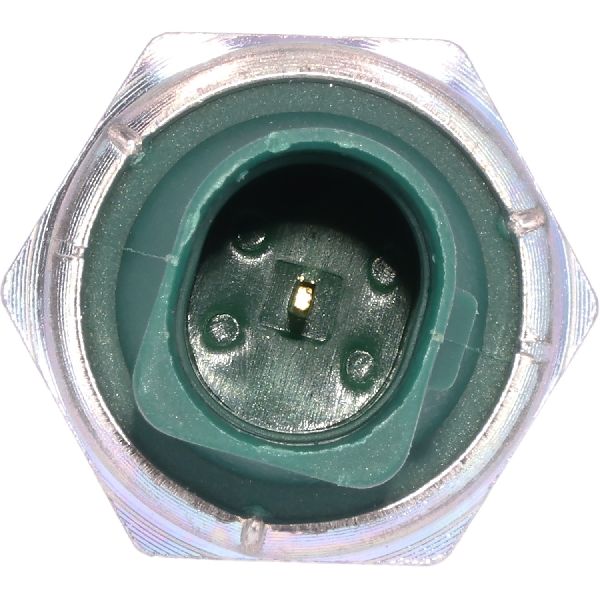
The Gen 1 Viper uses a single-pin sending unit for the oil pressure gauge.
We Have This Part in Stock


The information in this article is provided for general reference and educational purposes only. Vehicle specifications, procedures, and part compatibility can vary by production date, trim level, and region. Always consult your vehicle's factory service manual and verify part numbers before purchasing or performing repairs. Safety-critical components such as airbags, seat belts, and braking systems should be installed by a qualified professional.
- Dodge Viper: