

Ford F-350 Relay Guide: 1992-1997
Understanding the simple but critical relays in your 1992-1997 Ford F-350 and how to replace them.
- A bad relay can cause a no-start condition, either by preventing fuel delivery or by not engaging the starter.
- For this F-350 generation, a quality aftermarket relay is a perfectly acceptable and cost-effective replacement for a failed original.
- Diagnosing a bad relay is simple; you can often swap it with a known good one from a different circuit to confirm failure.
- Diesel models have a specific, heavy-duty glow plug relay that is critical for cold starts and cannot be replaced with a standard relay.
Symptoms of a Bad Relay
A failing relay in your F-350 can cause a variety of problems, depending on which system it controls. Because many relays are identical, a common diagnostic trick is to swap a suspect relay with a known good one from a non-critical circuit (like the horn) to see if the problem moves. Here are the most common signs of failure:
- Engine Cranks but Won't Start: This is a classic symptom of a bad fuel pump relay. The relay fails to send power to the fuel pump, starving the engine of fuel. You might notice the engine takes multiple tries to start, a problem that often gets worse over time.
- No-Crank, Single Click: If you turn the key and only hear a single, loud click from the engine bay, this often points to a failed starter relay (also called a starter solenoid on these trucks).
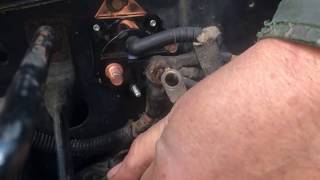
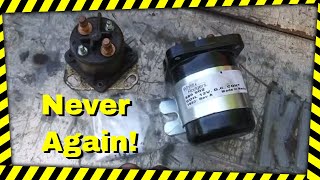
- Hard Starting When Cold (Diesel): For 7.3L Powerstroke engines, difficulty starting in cool weather is a primary symptom of a failing glow plug relay. The relay isn't activating the glow plugs, which are needed to pre-heat the engine for ignition. 🎬 Watch: How to replace the glow plug relay on a 7.3L.
- Intermittent Component Failure: A light that flickers, a horn that doesn't work sometimes, or a fuel pump that cuts out randomly can be caused by a relay that is starting to fail.
- Component Stays On: In rare cases, a relay can fail in the 'on' position, causing a component like the fuel pump to run continuously even when the truck is off, leading to a dead battery.
Choosing the Right Aftermarket Relay
For a simple and widely produced part like a standard automotive relay, a new aftermarket option is a reliable and cost-effective choice for your F-350. The technology is basic, and quality aftermarket brands produce parts that meet or exceed the original specifications. Given the age of these trucks, an OEM (Original Equipment Manufacturer) part from a dealer is likely unnecessary and significantly more expensive for this component. The key is to ensure the pin configuration and amperage rating match the original part you are replacing.
Cost Comparison: 1992-1997 Ford F-350 Relay
| Part Type | Price Range |
|---|---|
| New OEM (Motorcraft) | $30 - $70 |
| New Aftermarket (Replacement) | $17.03 |
| Used OEM | $10 - $25 |
Known Issues, Recalls, or TSBs
No recalls were found specifically for the fuel pump, glow plug, or standard multi-use relays on the 1992-1997 Ford F-350. However, a significant recall (05S28) was issued for the speed control deactivation switch, which could overheat and cause a fire. While not a relay, this highlights the importance of checking for any outstanding recalls on your vehicle. Most issues with relays on these trucks are due to age and normal wear and tear.
Frequently Asked Questions (FAQ)
Where are the relays located on my 1992-1997 F-350?
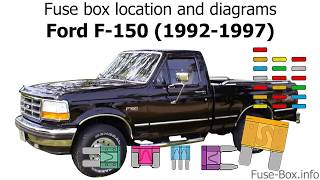
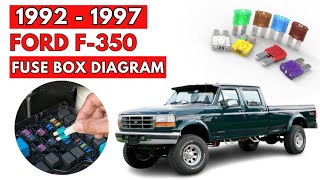
Most of the relays are found in the engine compartment's power distribution box. This black box is typically located on the driver's side fender well. Some relays, like the starter solenoid, are mounted directly to the fender wall on the passenger side. The interior fuse panel, to the left of the steering column, also contains some relays.
🎬 Watch: Find every relay with this fuse box location guide.Can I replace a relay myself?
Yes, replacing a relay is one of the easiest DIY jobs you can do. It's a simple plug-and-play operation. You just locate the correct relay, pull the old one straight out, and push the new one in. No special tools are required.
What's the difference between a fuel pump relay and a glow plug relay?
While they look similar and are both relays, they are designed for different loads and are controlled differently. The fuel pump relay is typically a standard 4 or 5-pin relay. The glow plug relay on 7.3L Powerstroke engines is a much heavier-duty component, often called a solenoid, designed to handle the very high current drawn by the glow plugs. You cannot use a standard relay in its place.
My truck won't start. How do I know if it's the relay or the fuel pump?
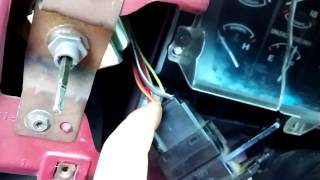
A simple test is to turn the key to the 'on' position (without starting). You should hear a faint hum or buzz from the fuel tank area for about two seconds as the fuel pump primes. If you hear nothing, the relay is a likely suspect. You can also try swapping the fuel pump relay with an identical one from another system (like the horn) to see if the pump then primes. If the pump runs when you swap the relay, the old relay was bad.
🎬 See this walkthrough for diagnosing fuel pump relay issues.Helpful Videos

Technical Specifications
OEM Part Numbers: F81Z-12B533-AC E3TZ-12A343-C DY861
Standard relays are typically 4-pin or 5-pin. Glow plug relays are higher amperage solenoids. Pin configuration and amperage must match the original part.

The information in this article is provided for general reference and educational purposes only. Vehicle specifications, procedures, and part compatibility can vary by production date, trim level, and region. Always consult your vehicle's factory service manual and verify part numbers before purchasing or performing repairs. Safety-critical components such as airbags, seat belts, and braking systems should be installed by a qualified professional.
- Ford F-350: