

A Honda Civic Owner's Guide to the 1992-1997 Oxygen Sensor
Fix your check engine light and poor gas mileage by choosing the right replacement oxygen sensor for your Civic.
- First, confirm your Civic's year: 1992-1995 models use one OBD1 sensor, while 1996-1997 models use two different OBD2 sensors.
- Choose Denso or NGK/NTK brands for an aftermarket part that matches OEM quality and reliability.
- A new oxygen sensor can fix a Check Engine Light and restore lost fuel economy.
- Using a special O2 sensor socket is highly recommended to make removal and installation easier.
Is Your Civic OBD1 or OBD2? This is Critical.

Before buying an oxygen sensor, you must know your Civic's model year. This generation spans two different diagnostic systems, which changes the number and type of sensors you need.
- 1992-1995 (OBD1): These Civics have one oxygen sensor. It is located in the exhaust manifold before the catalytic converter. This is often called the primary or upstream sensor.
- 1996-1997 (OBD2): These Civics have two oxygen sensors. The first is the primary/upstream sensor in the exhaust manifold. The second is the secondary/downstream sensor, located after the catalytic converter. The downstream sensor's job is to check if the catalytic converter is working correctly.
Check Your Year First
Ordering the wrong sensor is a common mistake. An OBD1 sensor will not work on an OBD2 car, and vice-versa. Always confirm your vehicle's year before purchasing.
Symptoms of a Failing Oxygen Sensor


When an O2 sensor starts to fail, it can cause several noticeable problems. The sensor becomes 'lazy' and doesn't react quickly to changes in the exhaust, or the internal heater fails. Here’s what to look for:
- Check Engine Light: This is the most common sign. Codes like P0135 (Upstream Heater Circuit Malfunction) or P0141 (Downstream Heater Circuit Malfunction) point directly to a faulty sensor heater.
- Poor Fuel Economy: A bad sensor often causes the engine to run rich, meaning it uses more fuel than necessary. Many owners report getting their gas mileage back after a replacement.
- Rough Idle or Hesitation: The engine may bog down or run unevenly because the air-fuel mixture is incorrect.
- Failed Emissions Test: An O2 sensor is essential for controlling emissions. A faulty one will almost certainly cause a test failure.
- Rotten Egg Smell: A very rich fuel mixture can overwhelm the catalytic converter, causing a sulfurous smell from the exhaust.
Choosing the Right Aftermarket Brand

You don't need to buy the expensive OEM part from a dealer. The original sensors for Honda were made by Denso or NGK (also known as NTK). Buying one of these brands from an aftermarket seller gives you the same quality part without the dealer markup.
Brand Quality Tiers for Your Civic
Tier 1: OEM Quality (Recommended)
- Denso & NGK/NTK: These are the original equipment manufacturers. They offer direct-fit sensors that plug in without any modification. For reliability and performance, these are the best choices for your Civic. Many forum users state they will only use these two brands.
Tier 2: Reputable Aftermarket
- Bosch & Delphi: Bosch is a massive parts manufacturer. While some owners have used them successfully, others report issues with Bosch sensors on Honda vehicles. They are generally considered a step below Denso or NGK for this specific car but are still a viable option, especially their direct-fit models. Delphi is another established brand offering reliable direct-fit options.
Tier 3: Economy Brands
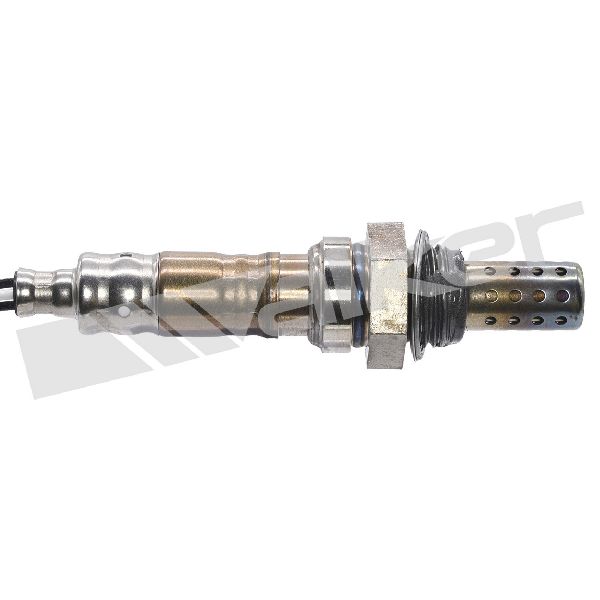
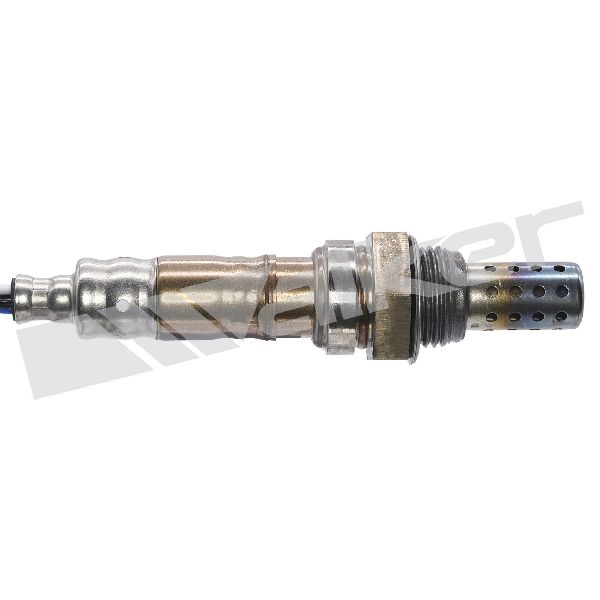
- Walker Products, Spectra, DriveWire: These brands offer budget-friendly options. They may come as 'universal' sensors that require you to cut and splice wires, which can be a point of failure if not done correctly. While they can work, their lifespan and performance might not match the higher-tier brands.
Direct-Fit vs. Universal
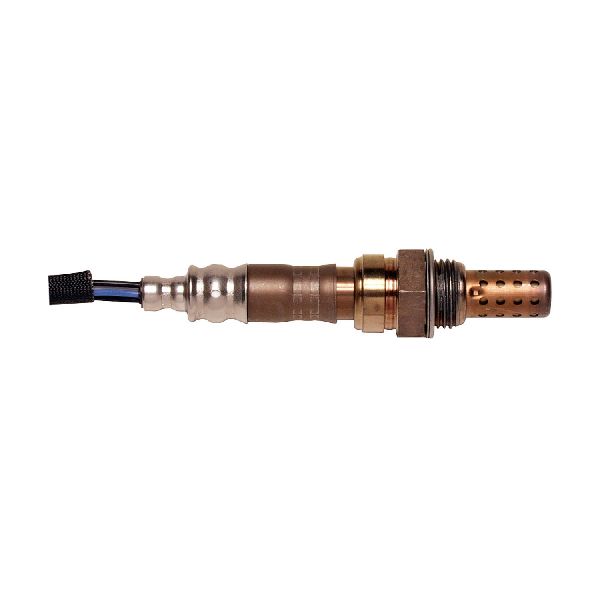
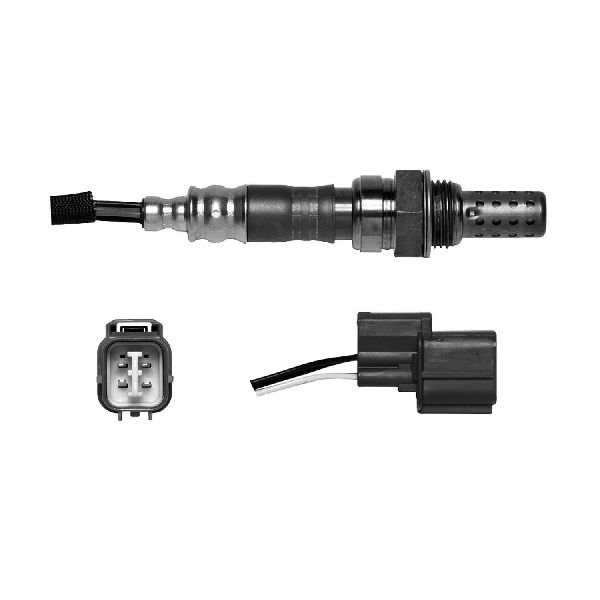
Always choose a 'direct-fit' or 'OE-style' sensor if possible. These come with the correct connector for your Civic's harness, making installation simple. A 'universal' sensor requires you to splice the new sensor onto your old connector's wires, which adds time and risk to the job.
Cost of Replacing a Honda Civic Oxygen Sensor
| Part Type | Estimated Cost |
|---|---|
| New OEM | $150 - $400+ |
| New Aftermarket | $25 - $398 |
| Shop Labor | $80 - $150 |
Frequently Asked Questions
How many O2 sensors does my 1992-1997 Civic have?
If your Civic is a 1992-1995 model (OBD1), it has one sensor in the exhaust manifold. If it is a 1996-1997 model (OBD2), it has two sensors: one upstream (in the manifold) and one downstream (after the catalytic converter).
What's the difference between an upstream and downstream sensor?
The upstream (or primary/Sensor 1) sensor measures the raw exhaust gas to help the ECU control the air-fuel mixture. The downstream (or secondary/Sensor 2) sensor measures the exhaust after the catalytic converter to make sure the converter is working properly.
Can I clean my old oxygen sensor?
While some people attempt to clean O2 sensors, it is not a reliable or recommended fix. The sensor's internal components wear out over time, and cleaning the outside won't restore its function. Replacement is the only guaranteed solution.
Do I need a special tool to replace an O2 sensor?
Yes, it is highly recommended. A special O2 sensor socket, which has a slot for the wire to pass through, makes the job much easier. Sometimes the sensor is very rusted and seized in the exhaust. In these cases, a regular 7/8" socket and a breaker bar may be needed after cutting the wires off the old sensor.
Helpful Videos
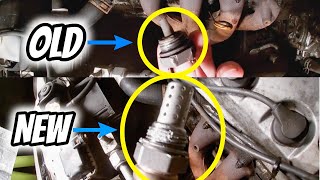
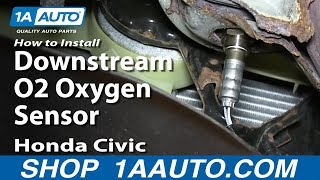
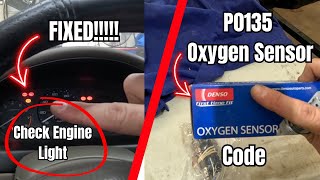
Technical Specifications
OEM Part Numbers: 36531-P2E-A01 36532-P2E-A01 36531-P2R-A01 36531-P07-003 36531-P28-A01
Fitment is year- and system-specific. 1992-1995 models are OBD1 and typically use a single 4-wire sensor. 1996-1997 models are OBD2 and use two 4-wire sensors (upstream and downstream). All are heated sensors. Connectors and wire lengths vary by application (upstream vs. downstream, and by trim level).
We Have This Part in Stock


The information in this article is provided for general reference and educational purposes only. Vehicle specifications, procedures, and part compatibility can vary by production date, trim level, and region. Always consult your vehicle's factory service manual and verify part numbers before purchasing or performing repairs. Safety-critical components such as airbags, seat belts, and braking systems should be installed by a qualified professional.
- Honda Civic:
- 🎬 Helpful Videos
- 🛍️ Shop This Part
- Is Your Civic OBD1 or OBD2? This is Critical.
- Check Your Year First
- Symptoms of a Failing Oxygen Sensor
- Choosing the Right Aftermarket Brand
- Brand Quality Tiers for Your Civic
- Direct-Fit vs. Universal
- Cost of Replacing a Honda Civic Oxygen Sensor
- Frequently Asked Questions
- 🎟️ Get 5% Off