

Choosing the Right Aftermarket Disc Brake Pads for Your 1992-1997 Subaru SVX
Your guide to finding the best new brake pads for your SVX's unique needs.
- For most SVX owners, a quality ceramic pad from a brand like Akebono or Centric offers the best balance of quiet operation, low dust, and reliable stopping power.
- If you want a noticeable performance upgrade for spirited driving, consider EBC Greenstuff or a Powerstop kit.
- There are no specific recalls or widespread factory issues for the 1992-1997 SVX brake pads; common issues are typical wear and tear.
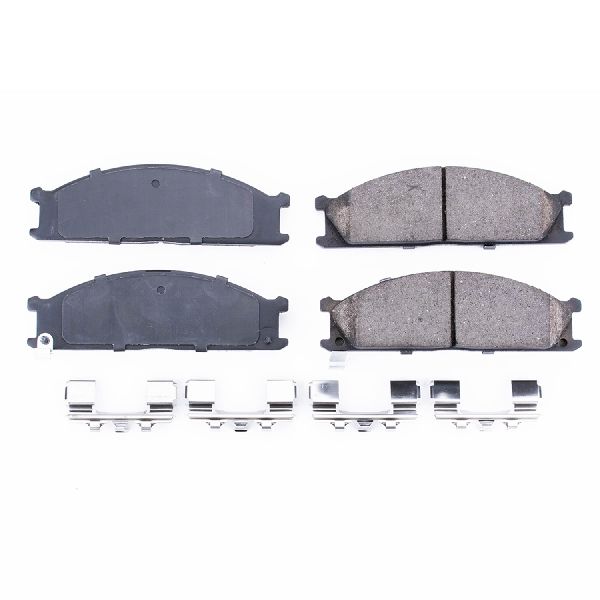
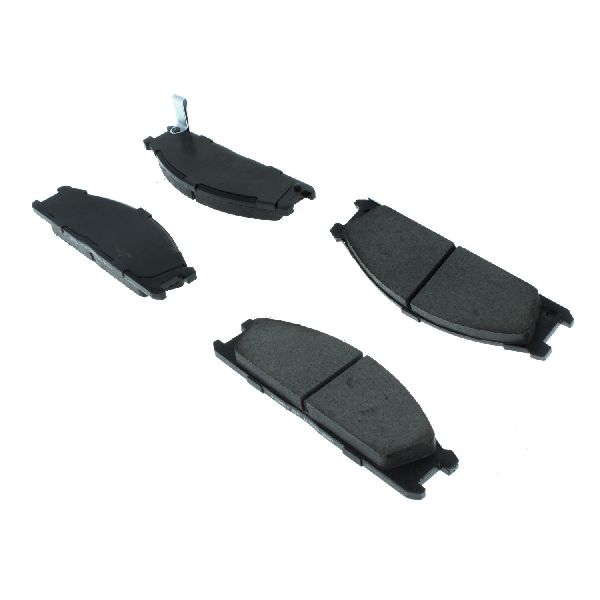
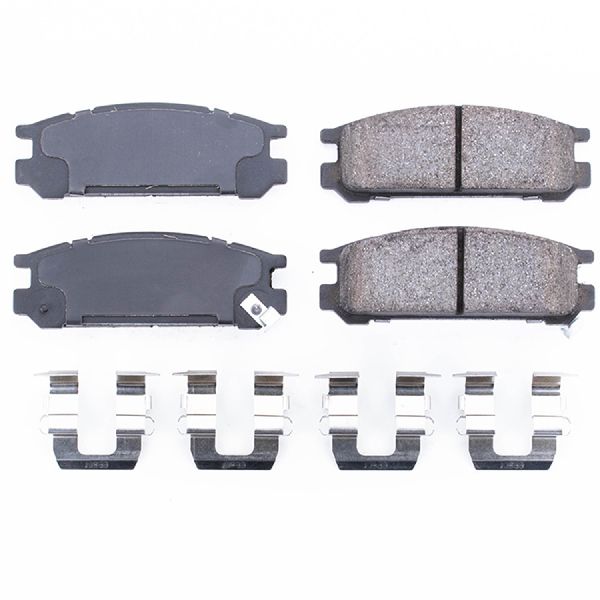
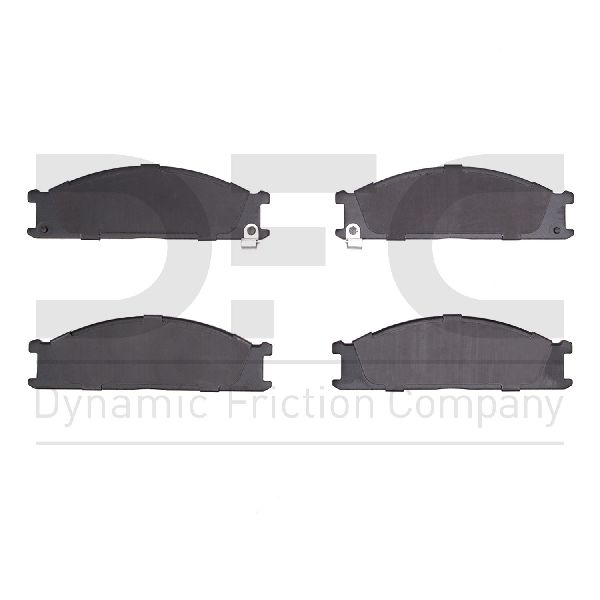
- Always confirm you are buying the correct pads for the front or rear, as they are not interchangeable.
Is it Time for New Brake Pads?
Your SVX will give you clear signs when the brake pads are wearing thin. Ignoring these signs can lead to more expensive repairs, like needing to replace the brake rotors. Listen and feel for these common symptoms.
Symptoms of Worn Brake Pads
- Squealing or Screeching: A high-pitched noise when you apply the brakes is the most common sign. This is caused by a small metal tab called a wear indicator hitting the rotor.
- Grinding Noises: A loud grinding or scraping sound means the pads are completely worn away. This is metal-on-metal contact between the pad's backing plate and the rotor, which is a serious issue that damages the rotor.
- Spongy or Soft Brake Pedal: If the pedal feels less responsive or sinks closer to the floor, it could indicate a problem with the pads or the brake hydraulic system.
- Longer Stopping Distances: If you notice your car takes longer to stop than it used to, your brake pads are likely worn out and can't create enough friction.
Choosing the Right Aftermarket Pads for Your SVX
Since the SVX is a classic, the aftermarket is your best source for new brake pads. Original Subaru parts can be hard to find and expensive. Luckily, many aftermarket brands offer excellent quality, often better than what was available in the 90s. The key is to choose a pad that matches your driving style.
We can group the available brands into three main tiers:
Tier 1: Daily Driver & OEM-Style
These pads are for owners who want a quiet, clean, and reliable ride, similar to how the car felt from the factory. They are perfect for daily commuting and cruising.
- Akebono: Often an original equipment (OEM) supplier for Subaru, Akebono pads are a top choice. Their ceramic pads are known for being extremely quiet, producing very little dust, and offering a smooth, confident pedal feel.
- Advics, Bosch, Centric Posi-Quiet: These are all reputable brands that provide excellent OEM-quality replacements. Centric Posi-Quiet pads are a popular value choice, though some users feel their initial "bite" is softer than other pads.
- Raybestos, Wagner Brakes: Long-standing brands that offer dependable, quality ceramic and semi-metallic pads for standard daily use.
Tier 2: Performance Street
If you enjoy spirited driving and want improved stopping power without going to a full race setup, these pads are for you. They offer a stronger bite and better resistance to brake fade at high temperatures, but may create more dust and noise.
- EBC Brakes: EBC Greenstuff pads are a very popular upgrade for the SVX, offering a noticeable improvement in stopping power for street use. EBC Redstuff is a step above, designed for heavier and faster cars, offering even better performance with less dust than Greenstuff.
- Powerstop: Known for their Z23 Evolution Sport and other brake kits that often include drilled or slotted rotors. These are a good all-in-one solution for upgrading your braking performance.
- Brembo, Hawk Pads: While known for high-performance racing applications, both brands offer excellent street-performance pads that provide a significant increase in braking force.
Tier 3: Economy
These pads meet safety standards and are a good choice if budget is your primary concern. They will stop your car safely but may not last as long or be as quiet as higher-tier options.
- Dynamic Friction, Pronto, Total Stopping Solutions: These brands offer a functional and affordable replacement to get your SVX back on the road safely.
Cost Comparison: 1992-1997 Subaru SVX Disc Brake Pad Set
| Part Type | Estimated Cost |
|---|---|
| New Aftermarket (Economy) | $22 - $45 |
| New Aftermarket (Daily Driver) | $45 - $80 |
| New Aftermarket (Performance) | $80 - $120+ |
| Shop Labor | $120 - $200 |
Frequently Asked Questions (FAQ)
Are the front and rear brake pads the same?
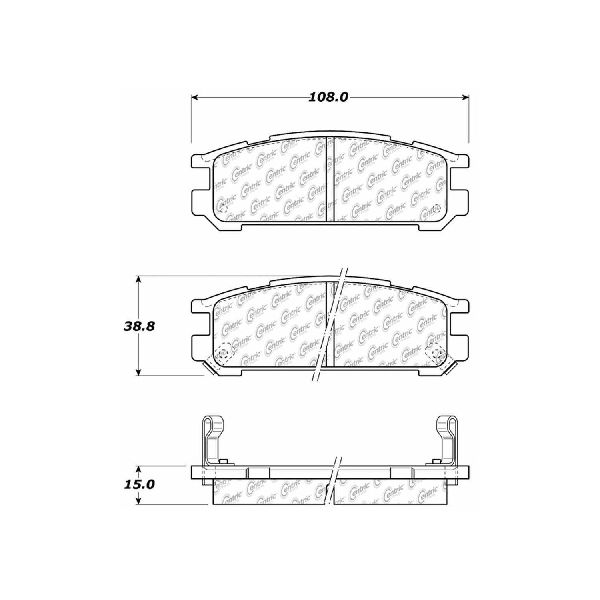
No, the front and rear brake pads on the 1992-1997 Subaru SVX are different shapes and sizes and have different part numbers. Always make sure you are ordering the correct pads for the axle you are working on.
What's the difference between ceramic and semi-metallic pads?
Ceramic pads are made from dense ceramic materials. They are very quiet, produce a fine, light-colored dust that doesn't stick to wheels, and are easy on brake rotors. They are ideal for daily driving. Semi-metallic pads have metal fibers in them. They typically offer a stronger initial bite and handle high heat better, making them good for performance driving, but they can be noisier and create more dark-colored dust.
Do I need to replace my rotors with my pads?
Not always, but it's highly recommended. If your rotors are warped (causing a pulsation in the pedal), have deep grooves, or are below the minimum thickness specification, they must be replaced. Installing new pads on old, worn rotors can lead to noise and reduced performance. For best results, replace pads and rotors as a set.
Can I upgrade my SVX to bigger brakes from another Subaru?
Yes, this is a popular modification in the SVX community. Many owners adapt larger brakes from Subaru WRX STI models, which often use Brembo calipers. However, this is not a simple bolt-on job. It requires different calipers, rotors, mounting brackets, and sometimes modifications to fit. This is a project for an experienced mechanic.
Pro Tip: Bedding In Your New Brakes
After installing new pads and rotors, you need to "bed them in." This process transfers a thin, even layer of friction material from the pads to the rotors. It ensures smooth, quiet, and powerful braking. Follow the manufacturer's specific procedure, which usually involves a series of controlled stops from different speeds without coming to a complete halt.
Technical Specifications
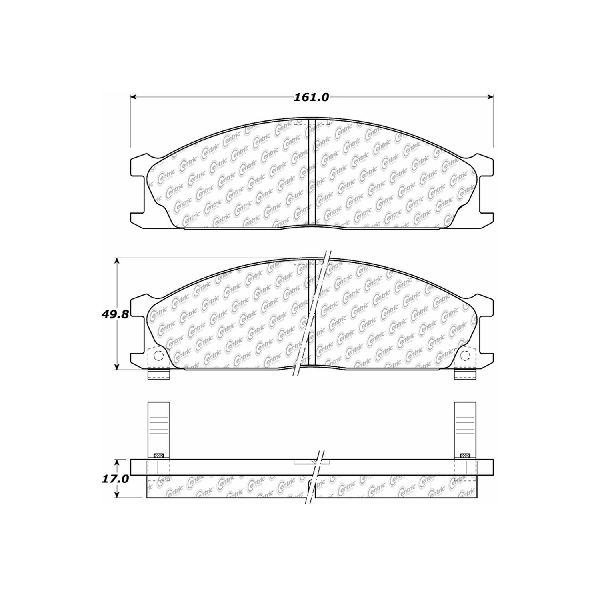
The 1992-1997 Subaru SVX uses a single-piston floating caliper design for both the front and rear brakes. Standard front pad thickness is approximately 17.0 mm. The rear pads are smaller. The system is a diagonally split hydraulic system.
We Have This Part in Stock

The information in this article is provided for general reference and educational purposes only. Vehicle specifications, procedures, and part compatibility can vary by production date, trim level, and region. Always consult your vehicle's factory service manual and verify part numbers before purchasing or performing repairs. Safety-critical components such as airbags, seat belts, and braking systems should be installed by a qualified professional.
- Subaru SVX:
- 🛍️ Shop This Part
- Is it Time for New Brake Pads?
- Symptoms of Worn Brake Pads
- Choosing the Right Aftermarket Pads for Your SVX
- Tier 1: Daily Driver & OEM-Style
- Tier 2: Performance Street
- Tier 3: Economy
- Cost Comparison: 1992-1997 Subaru SVX Disc Brake Pad Set
- Frequently Asked Questions (FAQ)
- Pro Tip: Bedding In Your New Brakes
- 🎟️ Get 5% Off