

A Guide to Replacing the Brake Master Cylinder on a 1992-1998 Buick Regal
If your brake pedal feels spongy or sinks to the floor, your master cylinder is the likely cause.
- A spongy or sinking brake pedal is the most definitive sign of a failing master cylinder in your Regal.
- Driving with a bad master cylinder is extremely dangerous and not recommended.
- You must bench bleed the new master cylinder before installation to ensure a firm brake pedal.
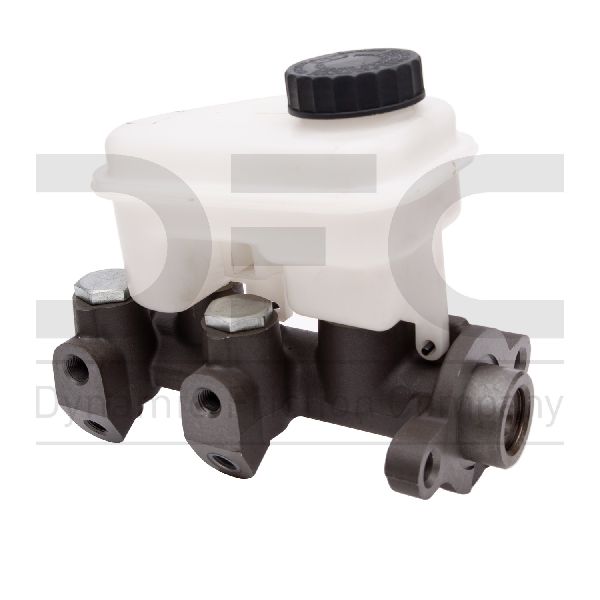
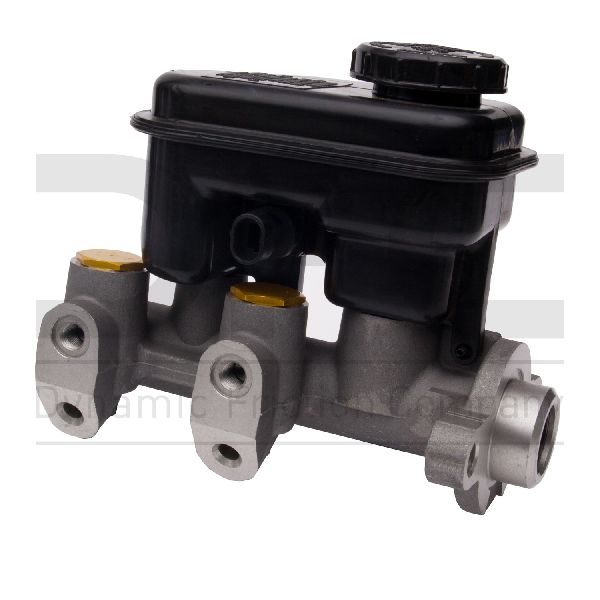
- For a balance of quality and price, consider OE-quality aftermarket brands like Centric or Dynamic Friction.
Is Your Buick Regal's Brake Master Cylinder Failing?
The brake master cylinder is a critical safety part. When it starts to fail, the signs are usually obvious and should never be ignored. For the 1992-1998 Buick Regal, the most common symptom of a bad master cylinder is a change in how the brake pedal feels.
Common Failure Symptoms
- Spongy or Mushy Brake Pedal: This is the number one sign. The pedal feels soft and lacks firmness because the internal seals are worn and can't hold pressure.
- Sinking Brake Pedal: When you hold your foot on the brake pedal at a stop, it slowly sinks towards the floor. This indicates an internal leak, where fluid is bypassing the seals.
- Contaminated Brake Fluid: New brake fluid is clear or light amber. If the fluid in your reservoir is dark brown or black, it's likely contaminated with bits of failing rubber seals from inside the cylinder.
- Brake Warning Light: A drop in fluid pressure or level can trigger the brake warning light on your dashboard.
Choosing the Right Aftermarket Master Cylinder
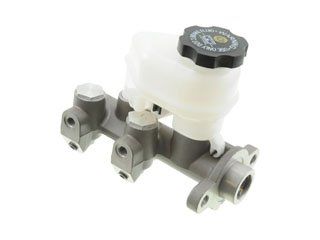
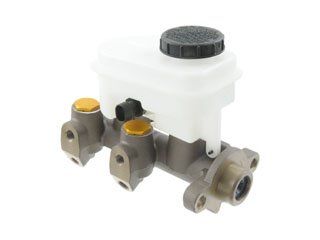
For a vehicle like the 1992-1998 Regal, aftermarket parts are the most common and cost-effective solution. The original ACDelco part may be hard to find or expensive. Aftermarket brands offer a range of quality and price points.
Brand Quality Tiers
- Budget-Friendly (Cardone, some Dorman offerings): These brands provide the lowest-cost options. Cardone is well-known for remanufactured parts but also offers new "Select" lines. However, forum discussions show mixed reviews on long-term reliability for both brands, with some users reporting early failures. These are a viable choice if the budget is the primary concern, but they may carry a higher risk of needing replacement sooner.
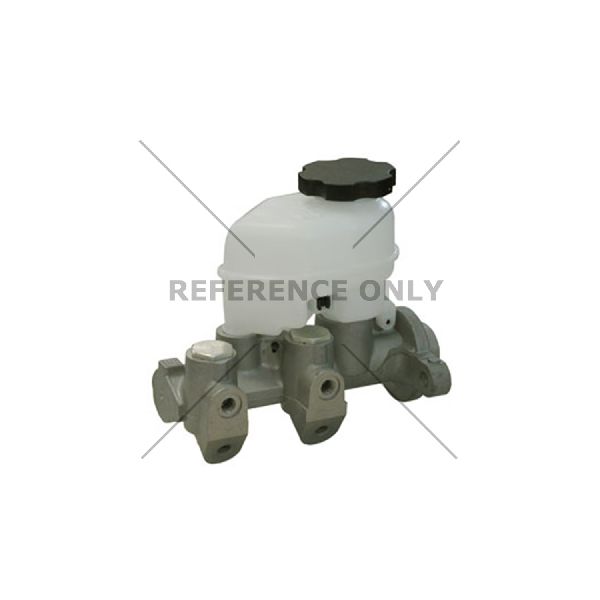
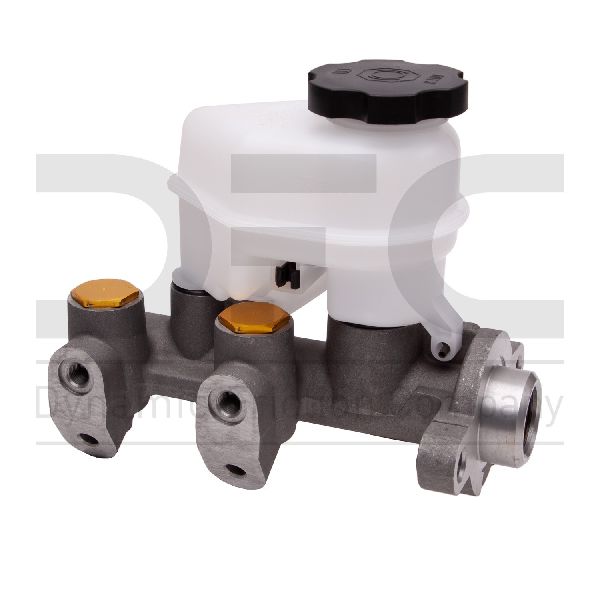
- Standard OE-Quality (Centric, Dynamic Friction): Brands like Centric and Dynamic Friction are generally regarded as reliable, OE-quality replacements. They are built to match original specifications and are 100% pressure tested for performance. These brands represent a good balance of price and quality for a daily driver.
- Premium Aftermarket / OEM (ACDelco): ACDelco is the original GM parts supplier and is generally considered the benchmark for fit and function. While they may be more expensive, they offer peace of mind. However, be aware that for older vehicles, even OEM-branded parts may be produced by third-party manufacturers.
Known Issues, Recalls, and Service Bulletins
Searches of the National Highway Traffic Safety Administration (NHTSA) database did not show any specific recalls or Technical Service Bulletins (TSBs) for the brake master cylinder on the 1992-1998 Buick Regal models. Some owners have reported difficulty bleeding the brake system on models equipped with ABS after a component replacement, sometimes requiring special procedures if air gets into the ABS module.
Replacement Costs
The cost to replace the brake master cylinder on your Regal will vary based on the part brand you choose and whether you do the work yourself.
| Item | Estimated Cost |
|---|---|
| New Aftermarket Part | $61 - $134 |
| Shop Labor | $150 - $300 |
| Total Professional Replacement | $211 - $434 |
Frequently Asked Questions (FAQ)
Do I have to replace my master cylinder if the pedal is spongy?
A spongy pedal is the most common sign of a failing master cylinder, but it can also be caused by air in the brake lines. If bleeding the brakes doesn't solve the problem, the master cylinder is almost certainly the cause and must be replaced.
What kind of brake fluid does my 1992-1998 Regal use?
Your Buick Regal uses DOT 3 brake fluid. Always use new, unopened fluid when replacing your master cylinder and bleeding the system. Contaminated or old fluid can damage seals.
Is it hard to replace a master cylinder myself?
For a DIYer with some experience, it's a manageable job that takes 2-3 hours. You will need basic hand tools and a flare nut wrench for the brake lines to avoid stripping them. The most critical steps are bench bleeding the new part before installation and thoroughly bleeding all four wheels afterward.
What is 'bench bleeding' and is it really necessary?
Bench bleeding is the process of removing air from the master cylinder before you install it in the car. It involves mounting the cylinder in a vise, attaching tubes from the outlet ports back into the reservoir, and pumping the piston until no more air bubbles appear. This step is absolutely necessary. Skipping it will leave a large amount of air in the system that is very difficult to remove later.
Technical Specifications
OEM Part Numbers: 18013426
Brake Fluid Type: DOT 3
We Have This Part in Stock

The information in this article is provided for general reference and educational purposes only. Vehicle specifications, procedures, and part compatibility can vary by production date, trim level, and region. Always consult your vehicle's factory service manual and verify part numbers before purchasing or performing repairs. Safety-critical components such as airbags, seat belts, and braking systems should be installed by a qualified professional.
- Buick Regal: