

A Practical Guide to the 1992-1998 Chevrolet Blazer Drum Brake Hardware Kit
Eliminate brake noise and restore stopping power by replacing the small parts that do a big job.
- Always replace the drum brake hardware kit when replacing the rear brake shoes to ensure proper function and prevent noise.
- Choose a comprehensive kit that includes self-adjusters for a complete overhaul.
- Reputable aftermarket brands like Raybestos, Centric, and Carlson offer excellent quality and value for this part.
- While replacing the hardware, inspect the wheel cylinders for fluid leaks, as this is a common related failure point.
Symptoms of a Failing Drum Brake Hardware Kit
The small springs and clips in your Blazer's rear brakes work hard. Over time, they can rust, weaken, or break. This is especially common in areas with road salt. When the hardware fails, it can cause noticeable problems. Ignoring these signs can lead to more expensive repairs.
- Scraping or Grinding Noises: A broken spring can allow a brake shoe to drag against the drum, causing a constant metallic scraping sound.
- Brake Dragging or Lock-up: Rusted or failed hardware, especially the adjuster, can cause the rear brakes to stick, making the engine work harder and potentially causing a wheel to lock up.
- Spongy or Inconsistent Brake Pedal: While often a sign of hydraulic issues, failed hardware can cause the shoes to sit incorrectly, leading to a strange pedal feel.
- Parking Brake Issues: The hardware is connected to the parking brake mechanism. If it fails, the parking brake may not hold properly.
Pro Tip: Always Replace Hardware with Shoes
Professionals agree that you should always install a new drum brake hardware kit when you replace your brake shoes. The old springs lose their tension over time and can't retract the new, thicker shoes properly. Reusing old hardware is a common cause of brake noise and premature wear after a brake job.
Choosing the Right Aftermarket Hardware Kit
For a vehicle like the 1992-1998 Blazer, you don't need to hunt down expensive original GM parts. Quality aftermarket brands offer kits that meet or exceed original specifications and provide excellent value. The key is to choose a reputable brand.
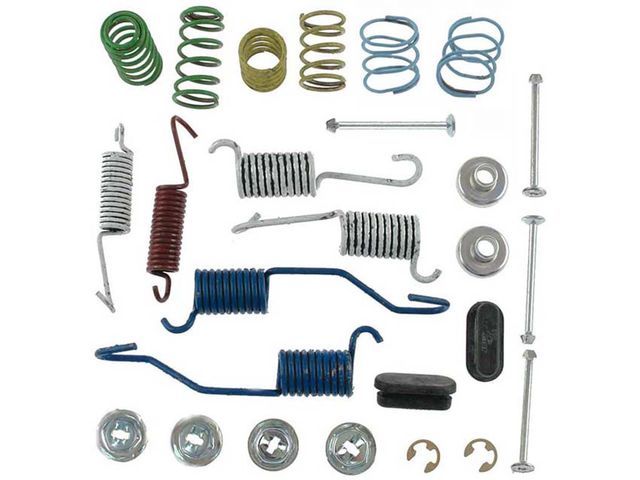
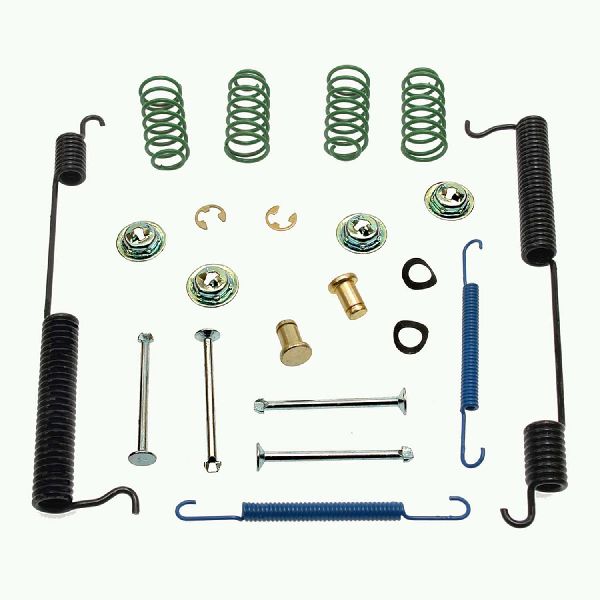
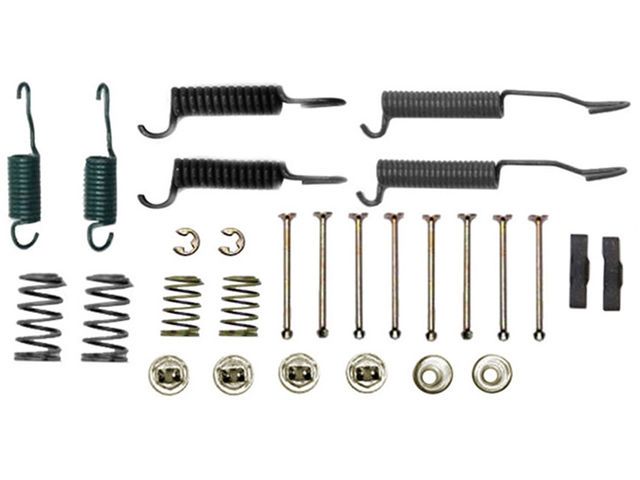
Kits can vary in contents. A basic kit includes the essential hold-down pins and return springs. A more comprehensive kit, sometimes called a "combi-kit," will also include the self-adjuster assembly and parking brake components. For a complete and lasting repair, the comprehensive kit is the better choice.
Aftermarket Brand Tiers
- Excellent Quality (Professional Grade): Brands like Raybestos (Professional Grade), Centric, and ACDelco (Professional/Gold lines) are trusted choices. They are known for consistent quality and good fitment. While ACDelco is GM's brand, their aftermarket "Gold" line is often comparable in quality to other top-tier aftermarket brands rather than being a true OEM part.
- Good Quality (Standard Replacement): Carlson and Dynamic Friction are solid mid-tier options. Carlson is frequently praised by DIY mechanics for good fit and value.
- Economy/Variable Quality: Dorman is a popular brand that makes a huge variety of parts. However, their quality can be inconsistent, sometimes described as "hit or miss" by mechanics. While a Dorman kit may fit and function, professional-grade brands often provide more peace of mind for critical brake components.
Known Issues for 1992-1998 Chevrolet Blazer Brakes
While no recalls exist specifically for the drum brake hardware, GM did issue a major recall in 1999 for the anti-lock brake system (ABS) on 1991-1997 Blazers. This recall addressed a faulty sensor that could extend stopping distances. This issue is related to the ABS computer, not the mechanical drum hardware itself, but it is an important part of the vehicle's brake system history.
| Part/Service | Estimated Cost |
|---|---|
| New Aftermarket Hardware Kit | $10 - $72 |
| Shop Labor (Hardware only) | $150 - $250 |
| Total (Parts + Labor) | $160 - $322 |
Note: Costs are estimates. Labor costs are higher if replacing shoes and drums at the same time.
Frequently Asked Questions
Do I really need to replace the hardware kit?
Yes. It is highly recommended to replace the hardware every time you replace the brake shoes. The springs weaken with heat and age. Reusing them can cause the new shoes to drag, squeal, or wear out quickly.
What tools are needed to replace a drum brake hardware kit?
You will need standard tools like a jack, jack stands, lug wrench, and pliers. However, special brake tools, like a brake spring tool and a hold-down spring tool, make the job much easier and safer. Many auto parts stores rent these tools.
Should I do one side at a time?
Absolutely. Leave the other side assembled so you have a reference. Taking a clear photo with your phone before you take anything apart is also a great way to ensure everything goes back together correctly.
What else should I inspect while replacing the hardware?
While you have the drum off, inspect the wheel cylinder for any signs of brake fluid leaks. A leaking cylinder will ruin your new brake shoes and must be replaced. Also, check for leaking axle seals, which can contaminate the brakes with gear oil.
Technical Specifications
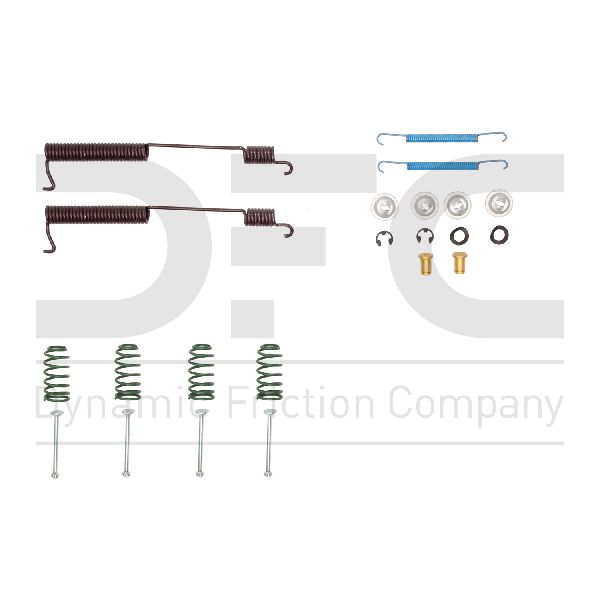
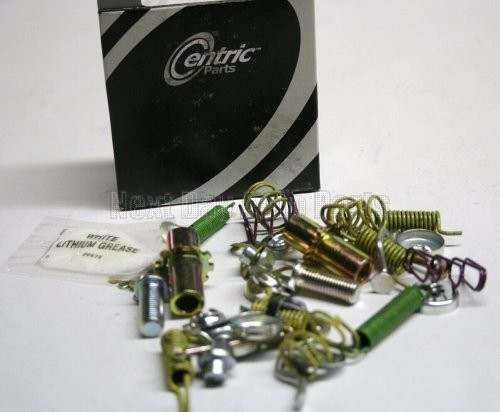
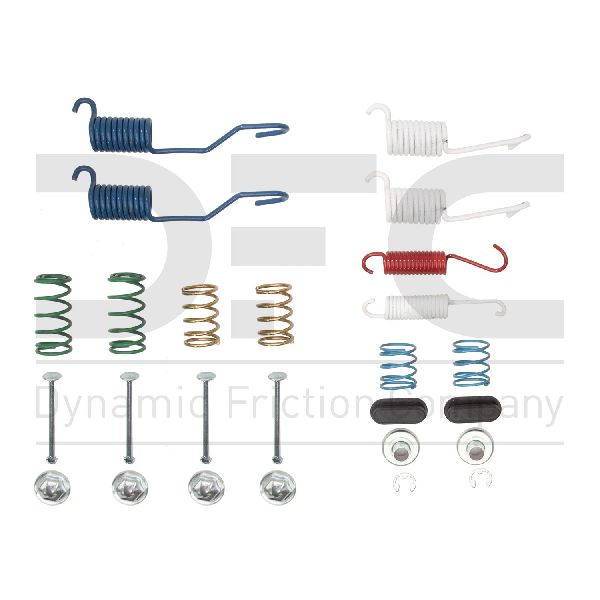
Kit typically contains return springs, hold-down springs, pins, clips, and washers. Comprehensive kits also include self-adjuster assemblies. Kits are specific to the driver or passenger side.
We Have This Part in Stock

The information in this article is provided for general reference and educational purposes only. Vehicle specifications, procedures, and part compatibility can vary by production date, trim level, and region. Always consult your vehicle's factory service manual and verify part numbers before purchasing or performing repairs. Safety-critical components such as airbags, seat belts, and braking systems should be installed by a qualified professional.
- Chevrolet Blazer: