

Ford Thunderbird Brake Hydraulic Hose Guide (1992-1998)
Keep your Thunderbird's brakes responsive and safe by understanding when and how to replace your brake hoses.
- Brake hoses on the 1992-1998 Thunderbird fail due to age; there are no specific recalls for this model.
- A spongy pedal, visible leaks, or the car pulling to one side are critical symptoms requiring immediate inspection.
- It is strongly recommended to replace all brake hoses at the same time, not just the one that has failed.
- Quality aftermarket brands like Raybestos, Centric, and Dorman are reliable replacements, and bleeding the brakes after installation is mandatory for safety.
Signs of a Failing Brake Hose
On a vehicle like the 1992-1998 Thunderbird, age is the primary enemy of rubber brake hoses. Deterioration happens from both the inside and outside. Pay close attention to these warning signs, as a failed hose can lead to a sudden loss of braking ability.
- Spongy or Soft Brake Pedal: If your brake pedal feels mushy or goes closer to the floor than usual, it could mean a hose is bulging and expanding under pressure instead of transferring that force to the brakes. This is one of the most common symptoms.
- Visible Cracks or Bubbles: Visually inspect the hoses at each wheel. Look for cracks, chafing, or bulges in the rubber. Having an assistant press the brake pedal while you look can make bubbles or bulges more apparent.
- Brake Fluid Leaks: Wet spots around the hose fittings or on the hose itself are a clear sign of a leak. You might also notice a drop in the brake fluid level in the reservoir.
- Pulling to One Side: An internally collapsed hose can act like a one-way valve, preventing fluid from returning after you release the brake pedal. This can cause a caliper to stick, making the car pull to one side while driving or braking.
- Brake Drag or Overheating: A stuck caliper caused by a bad hose can lead to constant friction, generating excessive heat you might smell after a drive and causing premature brake pad wear.
Known Issues for 1992-1998 Ford Thunderbird
No specific recalls or Technical Service Bulletins (TSBs) from Ford or the NHTSA exist for brake hydraulic hoses on the 1992-1998 Thunderbird models. Failures on this vehicle are typically due to the age and natural degradation of the rubber components over 25+ years.
Choosing the Right Aftermarket Hose
For a vehicle of this vintage, original Ford (OEM) parts are likely unavailable or prohibitively expensive. The aftermarket offers many quality, DOT-approved options that meet or exceed original specifications. When choosing, consider this general quality breakdown:
- Premium Brands (Raybestos): Brands like Raybestos have a long-standing reputation for producing high-quality brake components. They are a trusted choice for professional installers and enthusiasts who want top-tier replacement parts.
- Standard Brands (Centric, Dorman): Centric and Dorman are well-known aftermarket brands that offer a good balance of quality and value. Centric, in particular, is often used by professional repair shops and is considered a reliable, DOT-approved option.
- Economy Brands (Sunsong, Dynamic Friction): Sunsong is a large manufacturer that produces hoses for many other brands, including some Dorman and ACDelco products. They offer a dependable, budget-friendly option that meets all safety standards. While Dynamic Friction is available, less specific user feedback was found during research.
Pro Tip: Rubber vs. Stainless Steel
All the brands listed offer standard EPDM rubber hoses that are direct replacements. For improved performance, consider a stainless steel braided hose kit. These hoses do not expand under pressure, providing a firmer, more responsive brake pedal feel. This is a popular upgrade for performance-minded owners.
Estimated Replacement Costs
The cost to replace brake hoses can vary based on your location and whether you do the work yourself. It is highly recommended to replace hoses in pairs (both fronts or both rears) or all four at once, as they have all aged together.
| Part/Service | Estimated Cost |
|---|---|
| Aftermarket Brake Hose (per hose) | $21 - $60 |
| Shop Labor (to replace all 4 hoses) | $150 - $300 |
| Total Professional Replacement (All 4) | $234 - $540 |
Note: Costs are estimates and do not include the price of new brake fluid or potential complications like seized fittings.
Frequently Asked Questions
Should I replace all my brake hoses at once?
Yes. Brake hoses are all the same age and have been exposed to the same conditions. If one has failed, the others are likely not far behind. Replacing all of them at the same time is the safest and most cost-effective approach in the long run.
Is replacing a brake hose a DIY job?
For an experienced home mechanic, yes. The job requires safely lifting and securing the vehicle, using flare nut wrenches to prevent stripping fittings, and properly bleeding the entire brake system afterward. If you are not comfortable with bleeding brakes or are unsure about the process, this job is best left to a professional mechanic.
What is brake bleeding and why is it important?
Brake bleeding is the process of removing air bubbles from the brake lines. When you replace a hose, air enters the system. Since air can be compressed (unlike brake fluid), it will cause a spongy pedal and severely reduced braking power. The system must be bled according to the vehicle's procedure to ensure all air is removed for safe operation.
Do new hoses come with new washers?
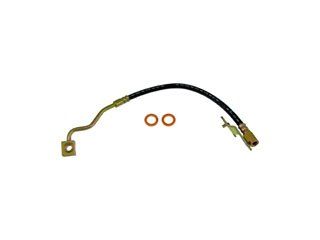
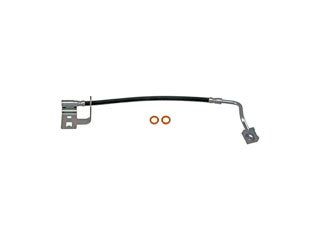
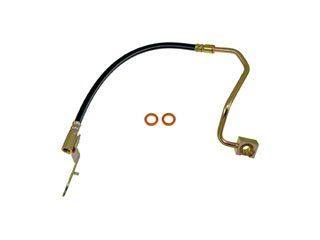
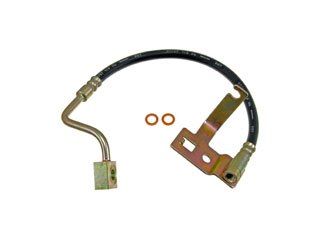
Most new brake hoses will include new copper crush washers for the banjo bolt fitting at the caliper. It is critical to use these new washers and never reuse the old ones to ensure a leak-free seal.
Technical Specifications
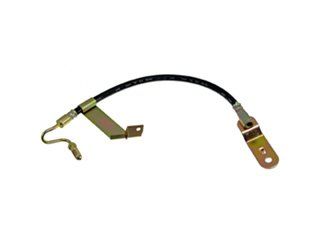
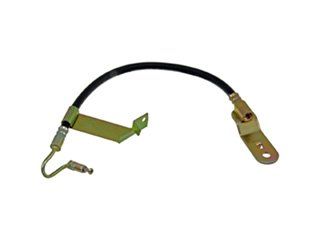
Vehicle requires two front and two rear hydraulic hoses. Front hoses connect to the calipers with a banjo bolt and copper washers. Rear hoses connect to the rear calipers. All aftermarket replacements must be D.O.T. certified.
We Have This Part in Stock

The information in this article is provided for general reference and educational purposes only. Vehicle specifications, procedures, and part compatibility can vary by production date, trim level, and region. Always consult your vehicle's factory service manual and verify part numbers before purchasing or performing repairs. Safety-critical components such as airbags, seat belts, and braking systems should be installed by a qualified professional.
- Ford Thunderbird: