

Oldsmobile Achieva Oxygen Sensor Guide for 1992-1998 Models
Fix your Achieva's poor fuel economy and rough idle by choosing the correct new oxygen sensor.
- Know your year: 1992-1995 models use a simpler OBD-I system, while 1996-1998 use the more complex OBD-II system with more sensors.
- Choose the right brand: Stick with Delphi, Denso, or NGK/NTK for OE-level performance and reliability in your Achieva.
- Don't ignore the symptoms: A bad O2 sensor reduces gas mileage and can eventually damage your expensive catalytic converter.
- Check for other issues: An O2 sensor code doesn't always mean the sensor is bad; it could be reporting a problem elsewhere, like a vacuum leak.
Signs of a Failing Oxygen Sensor
When an oxygen sensor in your Achieva starts to fail, it can't send accurate information to the engine's computer. The computer may then deliver too much or too little fuel. The most common sign is the Check Engine Light, but you may also notice other performance issues.
- Poor Fuel Economy: One of the most common symptoms is a sudden drop in gas mileage. The engine may run too rich, wasting fuel.
- Rough Idle or Engine Hesitation: The engine might run rough, idle poorly, misfire, or hesitate during acceleration because of the imbalanced air-fuel mixture.
- Failed Emissions Test: A bad O2 sensor is a common reason for failing a vehicle emissions inspection.
- Rotten Egg Smell: An overly rich fuel mixture can sometimes produce a sulfur or "rotten egg" smell from the exhaust as the catalytic converter becomes overwhelmed.
Choosing the Right Aftermarket Sensor
For General Motors vehicles of this era, not all aftermarket brands perform the same. While many brands are available, they fall into different quality tiers. Sticking with brands known for their OE-level performance is recommended for reliability.
Tier 1: OEM Supplier & Premium Brands
These brands are highly recommended by mechanics and experienced owners for their reliability and correct calibration for GM vehicles.
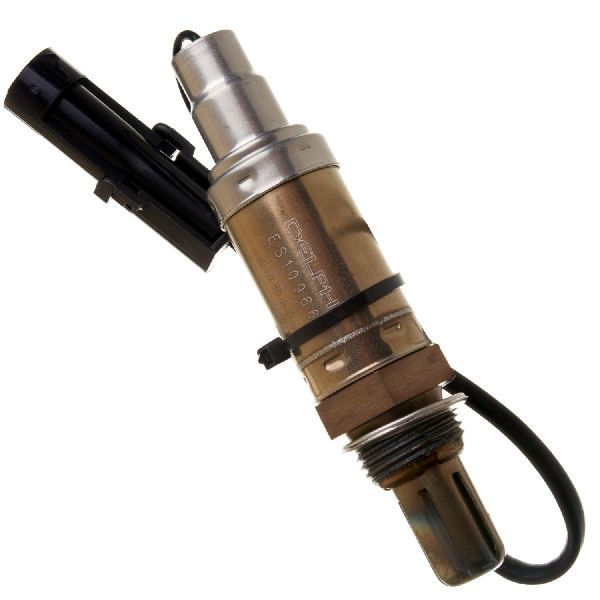
- Delphi: Delphi was a primary Original Equipment (OE) supplier for General Motors. Choosing a Delphi sensor is essentially installing the same part your Achieva was built with, ensuring perfect compatibility and performance.
- Denso & NGK (NTK): Both Denso and NGK (which sells sensors under the NTK brand) are highly respected Japanese manufacturers that are often OE suppliers for many automakers, including GM. They are considered equal in quality to original parts and are a trusted choice. In some cases, modern ACDelco parts are re-boxed Denso or NTK sensors.
Tier 2: Reputable Aftermarket
- Bosch: Bosch is a massive, well-known parts manufacturer that invented the modern oxygen sensor. However, their universal or multi-application sensors sometimes have mixed results on older GM vehicles. While many have success with Bosch, some owners report running issues and prefer Delphi or Denso for a guaranteed match. If you choose Bosch, ensure it is a direct-fit model for your specific Achieva.
Tier 3: Budget-Friendly Brands
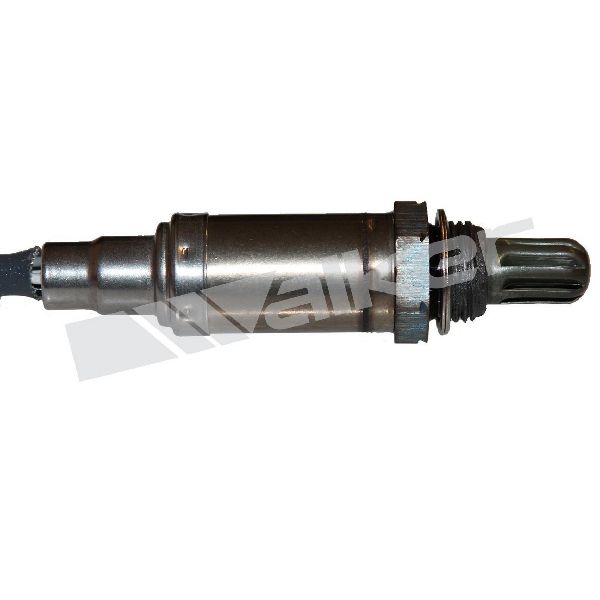
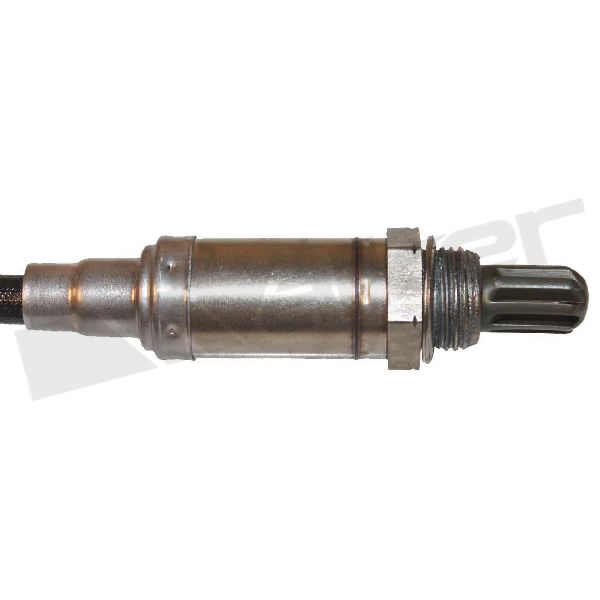
- Walker Products, Spectra, DriveWire: These brands offer sensors at a more accessible price point. They can be a suitable option if the budget is the primary concern, but they may not offer the same lifespan or precise calibration as the premium brands.
| Part | Estimated Cost |
|---|---|
| New Aftermarket Oxygen Sensor | $28.13 - $104.44 |
| Shop Labor | $50 - $100 |
Frequently Asked Questions (FAQ)
How many oxygen sensors does my 1992-1998 Achieva have?
This depends on the year. 1992-1995 (OBD-I) models typically have one or two sensors, located before the catalytic converter. 1996-1998 (OBD-II) models have at least two sensors: one upstream (before the converter) and one downstream (after the converter). If your Achieva has a V6 engine, it may have up to four sensors.
What's the difference between upstream and downstream?
The upstream sensor (also called Sensor 1) is located before the catalytic converter and is the primary sensor used for fuel mixture control. The downstream sensor (Sensor 2) is located after the catalytic converter and its main job is to monitor the converter's efficiency. The upstream sensor is the more critical one for engine performance.
Should I replace all the sensors at once?
It is not required, but it is often recommended. Oxygen sensors age and degrade over time. If one has failed due to high mileage, the others are likely near the end of their service life as well. Replacing them together can save you from a future repair and ensure the whole system is working correctly.
Can I clean my old oxygen sensor?
While some people attempt to clean O2 sensors, it is not a recommended or reliable repair. The sensing element is delicate, and contamination often penetrates deep into the sensor's porous ceramic body. A new sensor is the only guaranteed fix for a failed or underperforming unit.
Technical Specifications
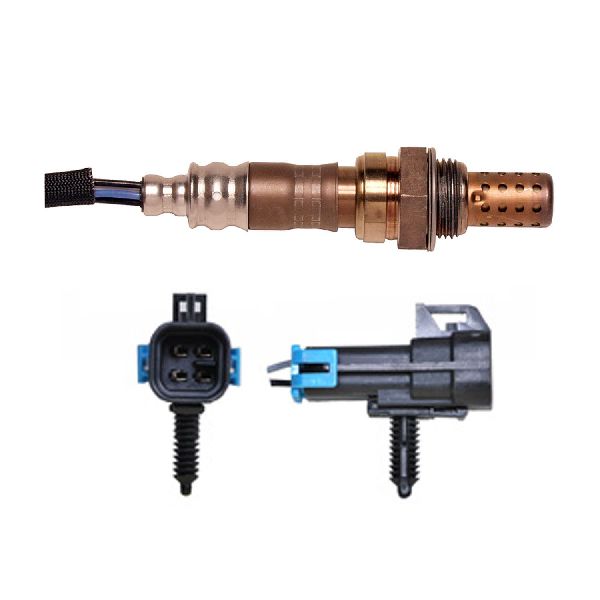
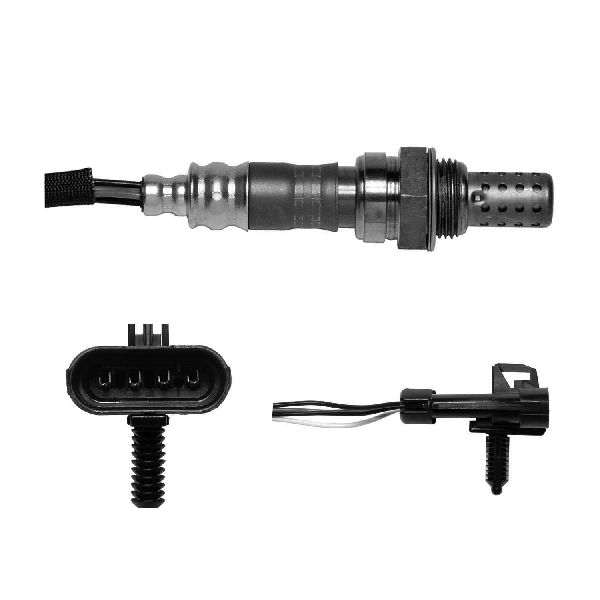
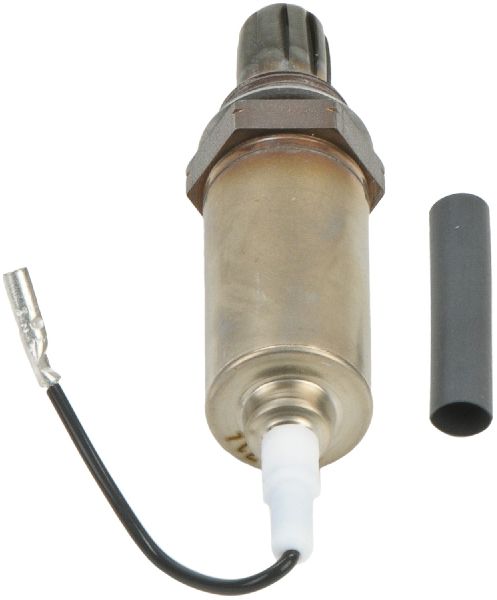
Sensor configuration depends on model year. 1992-1995 models may use a 1-wire or 3-wire unheated sensor. 1996-1998 models use a 4-wire heated sensor for faster activation and more accurate readings. Always verify the connector and wire count before purchasing.
We Have This Part in Stock

The information in this article is provided for general reference and educational purposes only. Vehicle specifications, procedures, and part compatibility can vary by production date, trim level, and region. Always consult your vehicle's factory service manual and verify part numbers before purchasing or performing repairs. Safety-critical components such as airbags, seat belts, and braking systems should be installed by a qualified professional.
- Oldsmobile Achieva: