

A Practical Guide to the 1992-1998 Toyota Supra Throttle Position Sensor
Everything you need to know to diagnose and choose the right new aftermarket TPS for your A80 Supra.
- A failing TPS on a 1992-1998 Supra causes hesitation, rough idle, poor shifting, and a check engine light.
- For best results, choose an OEM (Denso) sensor or a premium aftermarket brand like Beck Arnley that may repackage OEM parts.
- After installation, the new sensor MUST be calibrated using a multimeter and feeler gauges to avoid performance issues.
- No recalls or TSBs exist for the throttle position sensor on the A80 generation Supra; issues are due to age and wear.
Symptoms of a Failing Supra TPS
When the throttle position sensor on a 2JZ engine begins to fail, it can cause a range of noticeable driving problems. The signs often start small but can become serious. Common symptoms include:
- Poor Acceleration and Hesitation: The car may feel sluggish, stumble, or hesitate when you press the gas pedal.
- Rough or Unstable Idle: Your engine's idle speed may fluctuate, or it might idle roughly and even stall, especially when coming to a stop.
- Engine Surging or Bucking: You might feel the car jerk or surge unexpectedly while driving at a steady speed.
- Check Engine Light: A failing TPS will often trigger the check engine light and store diagnostic trouble codes like P0120, P0121, P0122, or P0123.
- Automatic Transmission Problems: If you have an automatic, a bad TPS can cause harsh, delayed, or erratic gear shifts.
- Reduced Fuel Economy: Incorrect sensor readings can cause the ECU to inject the wrong amount of fuel, leading to wasted gas.
Choosing the Right Aftermarket TPS Brand
For a performance car like the A80 Supra, the quality of engine sensors matters. While a genuine Toyota (Denso) sensor is always a safe bet, several aftermarket options are available. They generally fall into three tiers of quality and price.
Tier 1: Premium Aftermarket
These brands aim to meet or exceed OEM quality. They are the most reliable aftermarket choices.
- Beck Arnley: This brand has a strong reputation for sourcing parts from OEM manufacturers. It's possible to receive a genuine Denso sensor in a Beck Arnley box, making it a top-tier choice.
- Standard Ignition (SMP): A long-standing brand in the industry. For best results, choose their standard line (red box) or their 'Intermotor' brand, which often sources from OEM suppliers for Japanese vehicles. Avoid their budget 'T-Series' (green box).
Tier 2: Standard Aftermarket
These brands offer a balance between price and quality, but may not have the same rigorous standards as premium lines.
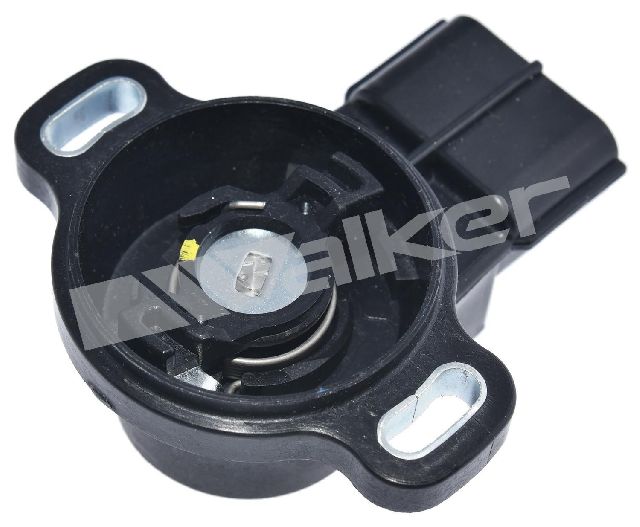
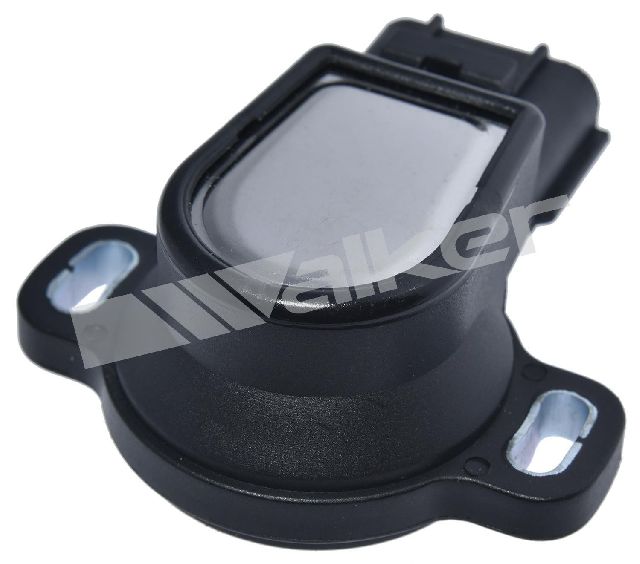
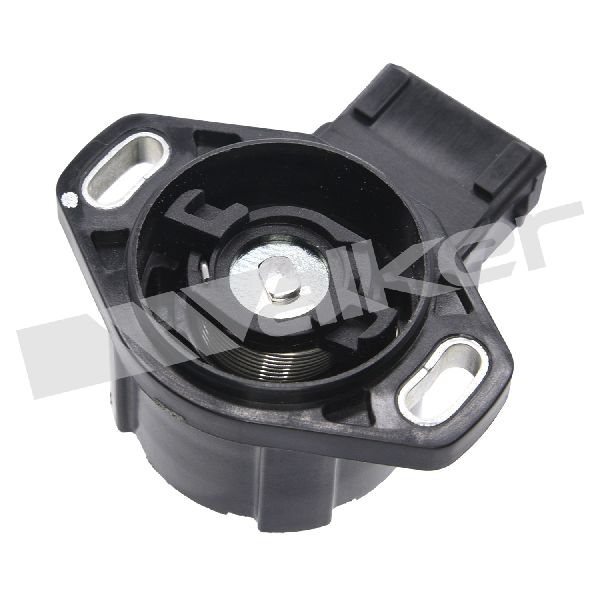
- Walker Products: A known aftermarket manufacturer that produces a wide range of engine management parts. Quality is generally considered acceptable for daily use.
Tier 3: Economy / Value Brands
These are the most affordable options, but quality and longevity can be unpredictable.
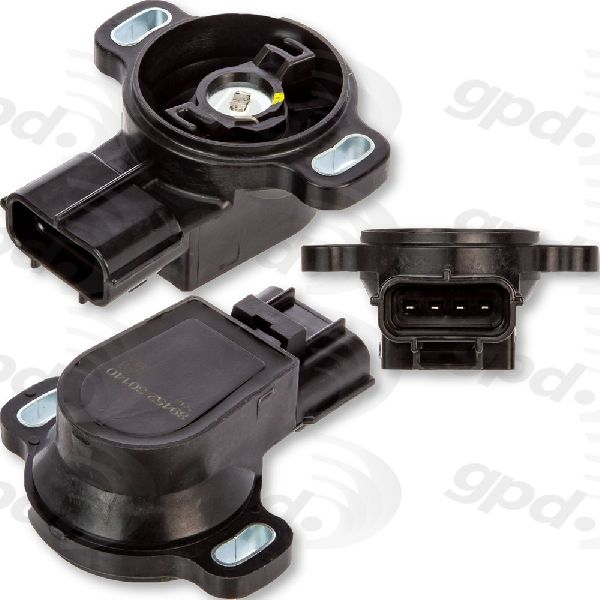
- Global Parts, Holstein, Replacement: These brands compete on price. While they may function correctly out of the box, their long-term reliability is not well-documented for this specific application. They are a budget-oriented choice where performance and durability are not the primary concerns.
Known Issues, Recalls, or TSBs
Extensive searches of the National Highway Traffic Safety Administration (NHTSA) database and other technical resources show no specific recalls or Technical Service Bulletins (TSBs) related to the throttle position sensor for the 1992-1998 Toyota Supra. Any recalls you may find for a "Toyota Supra" are for the 2020 and newer models, which are manufactured by BMW and do not share parts with the A80 generation.
Typical Replacement Costs
| New OEM (Toyota/Denso) | $90 - $170 |
| New Aftermarket | $25 - $105 |
| Used OEM | Varies based on condition |
| Shop Labor | $50 - $200 |
Frequently Asked Questions (FAQ)
Is the TPS different for Turbo (2JZ-GTE) and Non-Turbo (2JZ-GE) Supras?
Often, the same TPS part number is used for both the 2JZ-GE and 2JZ-GTE engines within the 1992-1998 range. However, different part numbers exist, and variations with traction control can be a factor. Always verify the correct OEM part number for your specific vehicle before ordering.
Can I just clean my old TPS?
The throttle position sensor is a sealed electronic component. While cleaning carbon buildup from the throttle body itself is good maintenance, you cannot repair a failed sensor by cleaning it. If the internal electronic contacts are worn out, the sensor must be replaced.
Is replacing the TPS a good DIY job?
Yes, for those comfortable with basic tools. The sensor is held on by two screws and is easy to access on the side of the throttle body. The most critical part of the job is the calibration process, which requires patience and a multimeter.
What happens if I install a new TPS without calibrating it?
The car's computer will not know the correct closed-throttle position. This will almost certainly result in a high or unstable idle, hesitation, poor fuel economy, and potentially a new check engine light. Calibration is a required final step for this repair.
Technical Specifications
OEM Part Numbers: 89452-22090 89452-22080 89452-14050 89452-30150
4-pin connector, mounted to the side of the throttle body. Operates on a 5V reference signal. Requires calibration upon installation.
We Have This Part in Stock


The information in this article is provided for general reference and educational purposes only. Vehicle specifications, procedures, and part compatibility can vary by production date, trim level, and region. Always consult your vehicle's factory service manual and verify part numbers before purchasing or performing repairs. Safety-critical components such as airbags, seat belts, and braking systems should be installed by a qualified professional.
- Toyota Supra: