

A Guide to Replacing the Radiator in Your 1992-1999 Buick Century
Keep your Century's engine from overheating by understanding common radiator problems and choosing the right replacement part.
- Rule out a leaking intake manifold gasket first, as it's a common issue on the 3.1L V6 with similar symptoms.
- Engine overheating is a critical symptom; pull over immediately to prevent severe engine damage.
- For reliability, Denso is a top-tier aftermarket choice, while brands like Spectra are good budget options.
- When replacing the radiator, it is highly recommended to also replace the radiator cap, thermostat, and hoses.
Is Your Buick Century's Radiator Failing?
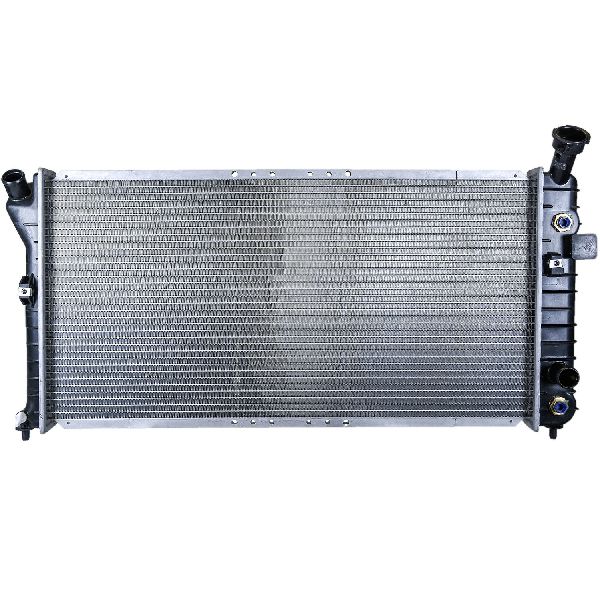
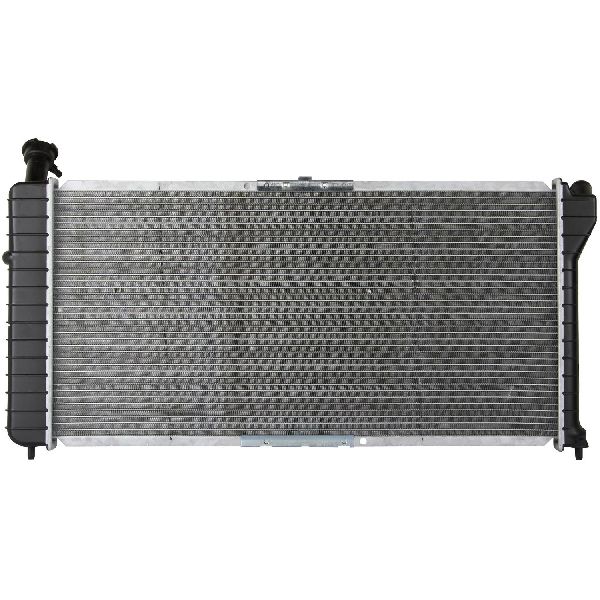
For a 1992-1999 Buick Century, the radiator is a common part that wears out. These cars often used radiators with plastic tanks crimped onto an aluminum core. Over many years of heating up and cooling down, these plastic parts can become brittle and crack, causing leaks. If your car is running hot or you see puddles of coolant, it's time to inspect the cooling system.
A Note on Intake Manifold Gaskets
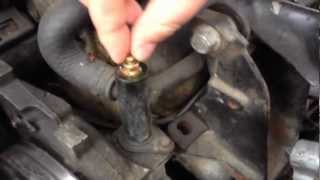
A very common issue on the 3.1L V6 engine used in this generation of Century is a leaking lower intake manifold gasket. This can cause coolant loss and overheating, which are the same symptoms as a bad radiator. A General Motors Technical Service Bulletin (TSB) 🎬 Watch this video to identify common GM 3.1L coolant leak sources. was issued for this problem. Before replacing your radiator, it's wise to have a mechanic confirm the source of the leak to avoid replacing the wrong part.
Choosing the Right Aftermarket Radiator
You don't need to buy an expensive OEM (Original Equipment Manufacturer) part from the dealer. Aftermarket radiators for the Buick Century are widely available and can be a good value. However, quality can vary between brands. They generally fall into a few tiers.
Premium Aftermarket (OEM-Equivalent)
These brands are known for quality that is very close to the original factory part. They focus on correct fit and long-term durability.
- Denso: Denso is a well-respected brand that is an original equipment manufacturer for many car companies. Mechanics and DIYers often recommend them for their reliability and quality, making them a top choice for a replacement that you can trust.
Mid-Grade & Economy Aftermarket
These brands offer a balance of affordability and performance. They are a good choice for drivers on a budget but may have occasional quality control issues.
- Spectra: A very popular aftermarket brand that generally works well. However, some users have reported issues like incorrect core thickness or, in rare cases, internal failures that can cause coolant to mix with transmission fluid. It's a decent budget option, but requires careful inspection upon arrival.
- APDI, Global Parts, One Stop Solutions, Onix: These brands fall into the economy category. They are designed to be affordable, direct-fit replacements. While they often come with warranties, reviews can be mixed, with some owners reporting fitment problems or shorter lifespans compared to premium brands. They can be a viable option if budget is the primary concern.
Pro Tip: Replace More Than Just the Radiator
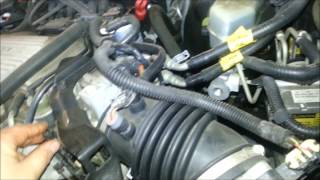
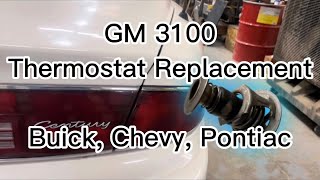
While you have the cooling system drained, it's a smart and inexpensive move to also replace the radiator cap, thermostat, and the upper and lower radiator hoses. 🎬 See a step-by-step guide for replacing the thermostat on this engine. These parts are cheap and wear out over time. Replacing them all at once can prevent future leaks and overheating problems.
Aftermarket vs. OEM Radiator Costs for a '92-'99 Century
Here is a general idea of what you can expect to pay for different types of radiators. Prices can change based on your location and the specific retailer.
| Part Type | Estimated Cost |
|---|---|
| New Aftermarket | $135 - $235 |
| New OEM (Dealer) | $330 - $810 |
| Used OEM (Salvage Yard) | $100 - $180 |
| Shop Labor | $260 - $400 |
Frequently Asked Questions
How difficult is it to replace the radiator myself?
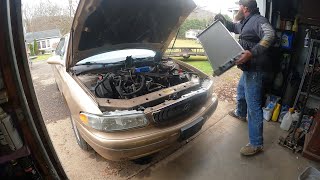
For a DIYer with some experience, it's a moderately difficult job that can take a few hours. It requires draining the coolant, removing the cooling fans and shroud, disconnecting hoses and transmission cooler lines, and then swapping the radiator. You will need basic hand tools. The most critical final step is properly refilling and bleeding the air out of the cooling system to prevent overheating.
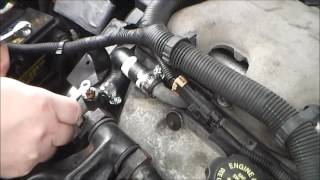
🎬 Watch: How to properly bleed air from the 3.1L cooling system.What are the main signs of a bad radiator?
The most common signs are your engine temperature gauge running hotter than normal, visible coolant leaks leaving puddles under the car (often bright green, yellow, or pink), and having to frequently add coolant to the reservoir. You might also notice rusty or sludgy-looking coolant in the overflow tank or a heater that doesn't blow hot air.
Can I drive with a leaking radiator?
It is not recommended. A small leak can quickly become a large one, leading to rapid coolant loss and severe engine overheating. This can cause catastrophic damage, such as a warped cylinder head or a cracked engine block, which can cost thousands to repair.
Do I need a special type of coolant for my Buick Century?
For this era of GM vehicle, you should use a conventional green or a universal yellow/gold coolant that is safe for use in older vehicles with aluminum and plastic components. Always check the coolant bottle to ensure it's compatible. Do not mix different colors or types of coolant.
Helpful Videos
Technical Specifications
OEM Part Numbers: 52458474 52472846 52477477 52498590 89018557
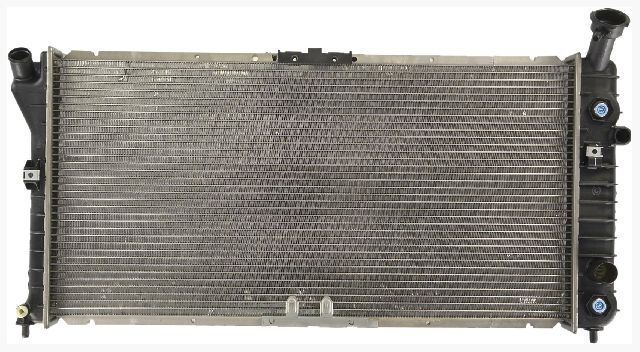
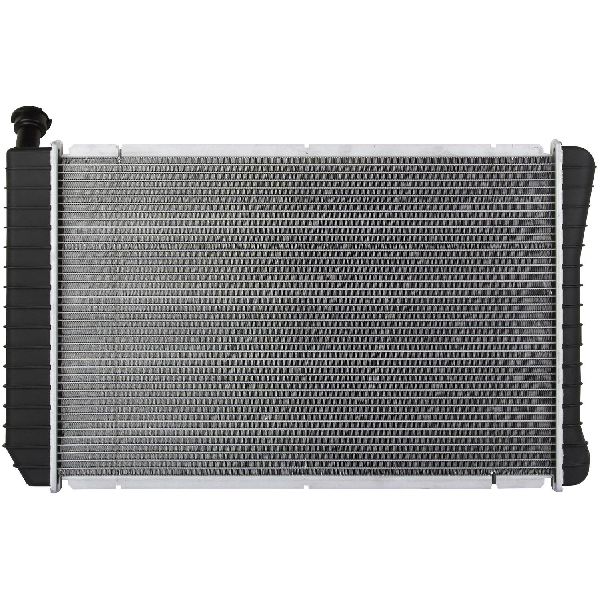
Most radiators for this vehicle are a cross-flow design with an aluminum core and plastic tanks. Core thickness is typically around 5/8 inch. All will include an integrated automatic transmission fluid cooler.
We Have This Part in Stock


The information in this article is provided for general reference and educational purposes only. Vehicle specifications, procedures, and part compatibility can vary by production date, trim level, and region. Always consult your vehicle's factory service manual and verify part numbers before purchasing or performing repairs. Safety-critical components such as airbags, seat belts, and braking systems should be installed by a qualified professional.
- Buick Century:
- 🎬 Helpful Videos
- 🛍️ Shop This Part
- Is Your Buick Century's Radiator Failing?
- A Note on Intake Manifold Gaskets
- Choosing the Right Aftermarket Radiator
- Premium Aftermarket (OEM-Equivalent)
- Mid-Grade & Economy Aftermarket
- Pro Tip: Replace More Than Just the Radiator
- Aftermarket vs. OEM Radiator Costs for a '92-'99 Century
- Frequently Asked Questions
- 🎟️ Get 5% Off