

GMC Yukon 1992-1999 A/C Compressor Replacement Guide
Everything you need to know before buying a new A/C compressor for your GMT400 Yukon.
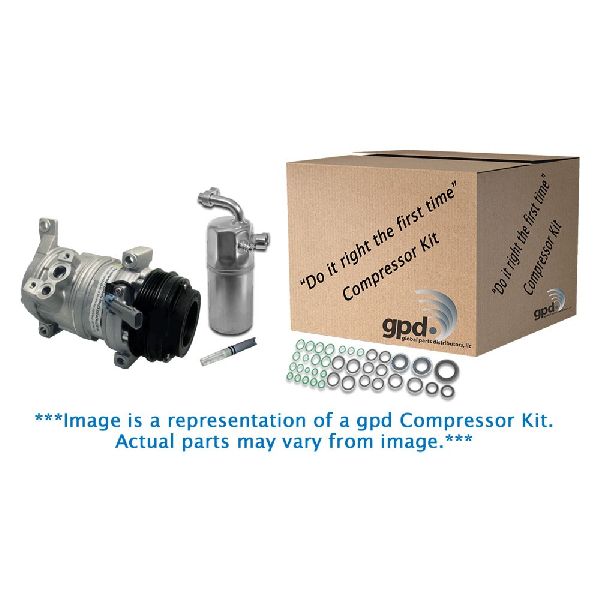
- Always replace the accumulator/drier and orifice tube with the compressor to prevent premature failure.
- A catastrophic compressor failure can contaminate the entire system, requiring extensive flushing and more replacement parts.
- Buy a new compressor from a reputable aftermarket brand like ACDelco, Delphi, or Four Seasons; avoid remanufactured units.
- The A/C system must be professionally evacuated before work begins and vacuum-tested and recharged after, making this a difficult DIY job.
Is Your Yukon's A/C Blowing Warm?
If the air conditioning in your 1992-1999 GMC Yukon isn't as cold as it used to be, a failing A/C compressor could be the problem. The compressor is a critical part that puts the refrigerant under pressure, and it's a common failure point in older vehicles. Understanding the signs of a bad compressor and what to look for in a replacement can save you time and money.
Symptoms of a Failing A/C Compressor
A bad compressor will give you several warning signs. Being able to spot them early can help you avoid more extensive damage to your A/C system.
- No Cold Air: The most obvious symptom is warm or hot air blowing from the vents when the A/C is on.
- Loud Noises: A grinding, whining, or rattling sound from the engine bay when you turn on the A/C points to internal compressor problems, like bad bearings. You can often diagnose this by turning the A/C on and off to see if the noise changes.
- Clutch Not Engaging: The compressor's clutch engages to turn the compressor on. If you look at the front of the compressor pulley, the center part should be spinning when the A/C is on. If it's stationary, there's an issue with the clutch, the compressor, or the system's electrical controls.
- Leaking Refrigerant: The compressor itself can develop leaks. You might see a greasy, grimy buildup on the compressor body, which is often a mix of refrigerant oil and dirt. Shops can use a UV dye to pinpoint these leaks.
- Belt Damage or Burning Smell: If the compressor's pulley seizes, it can create intense friction with the drive belt, causing a burning rubber smell, smoke, and eventually shredding the belt.
Warning: A/C System "Black Death"
If your compressor fails internally, it can send metal shavings and debris throughout the entire A/C system. This contamination is known as "black death." It looks like a black, sludgy grime inside the A/C lines and components. If this happens, just replacing the compressor isn't enough. You must replace the accumulator/drier, orifice tube, and thoroughly flush the evaporator and condenser to prevent the new compressor from failing immediately. Many part warranties are void if you don't replace these related components.
Choosing the Right Aftermarket Compressor
For an older truck like the 1992-1999 Yukon, you have several good aftermarket options. While an OEM ACDelco part from a dealer is an option, a new aftermarket unit from a reputable brand often provides the best balance of quality and cost.
Here's a breakdown of the common brands available:
- Premium Aftermarket (ACDelco, Delphi): ACDelco is the original GM parts brand, and Delphi was a major OEM supplier. Choosing a new unit from these brands is the closest you'll get to original quality. They are often considered the most reliable choices, though they come at a higher price point.
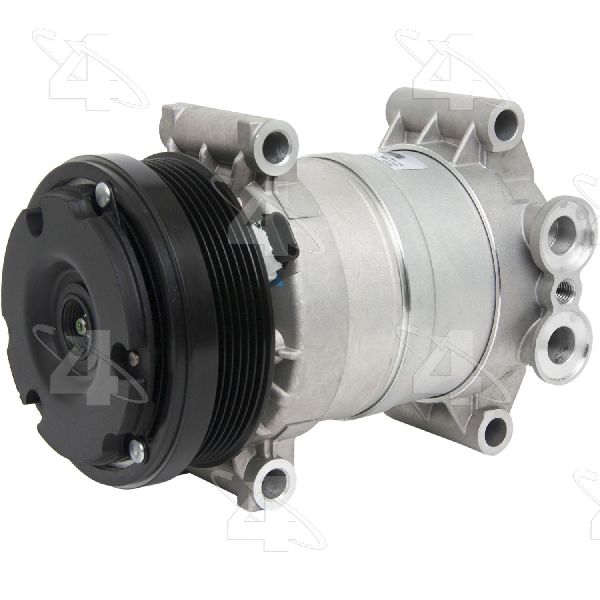
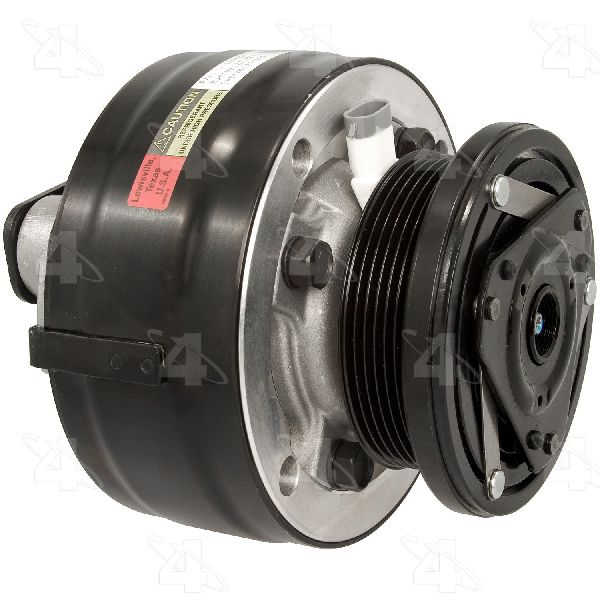
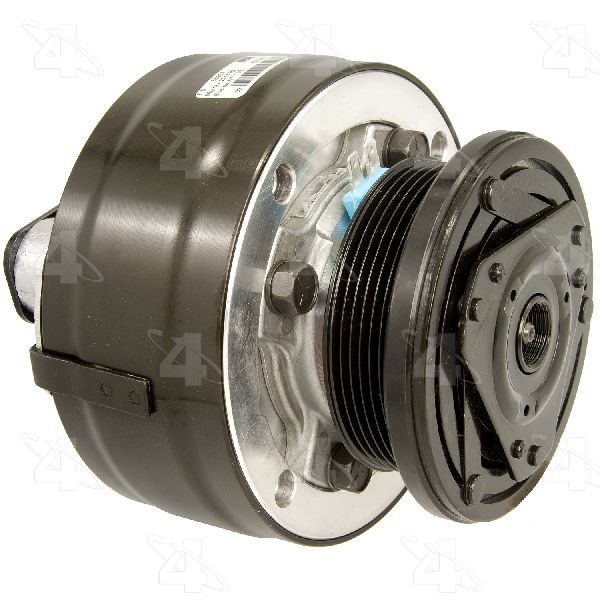
- Quality Aftermarket (Four Seasons, Valeo): Four Seasons is a long-standing and well-regarded aftermarket brand for A/C components. Many owners and mechanics have had good experiences with their new (not remanufactured) compressors. Valeo is another global OEM supplier that also produces quality aftermarket parts.
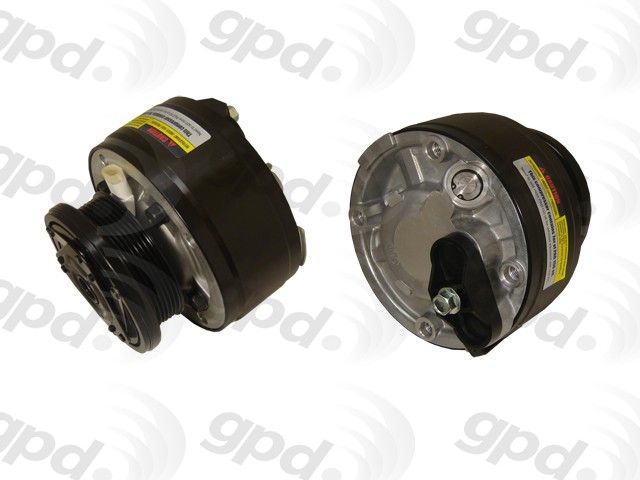
- Standard Aftermarket (Global Parts): These brands offer a more budget-friendly option. While they can be a good value, quality can sometimes be inconsistent compared to premium brands. It's crucial to ensure you are buying a new unit, not a remanufactured one, as remanufactured parts have a reputation for being less reliable.
Pro Tip: Always Buy New, Not Remanufactured
Across forums, mechanics and experienced owners consistently recommend buying a brand-new compressor instead of a remanufactured one. Remanufactured units have a higher failure rate and can be hit-or-miss, potentially costing you more in the long run if you have to do the job twice.
A/C Compressor Replacement Costs for 1992-1999 GMC Yukon
The cost can vary based on the parts you choose and your local labor rates. A/C work requires special equipment to evacuate and recharge the refrigerant, so most of the job is best left to a professional shop.
| Part or Service | Estimated Cost |
|---|---|
| New Aftermarket A/C Compressor | $210 - $481 |
| A/C System Kit (Compressor, Accumulator, Orifice Tube, Oil) | $250 - $550 |
| Shop Labor (including system evacuation and recharge) | $300 - $550 |
| Total Estimated Cost | $550 - $1,031 |
Frequently Asked Questions
Do I have to replace other parts with the compressor?
Yes. At a minimum, you MUST replace the A/C accumulator (also called a receiver/drier) and the orifice tube whenever the system is opened. The accumulator contains a desiccant that absorbs moisture, and it can only absorb so much. Failing to replace it will void most warranties and cause the new compressor to fail prematurely. If the old compressor failed internally, you must also flush the system and may need to replace the condenser to remove debris.
Can I replace the A/C compressor myself?
While the physical replacement of the compressor is straightforward on these trucks (it's located on top of the engine), the full job requires specialized equipment. The refrigerant must be legally and safely evacuated by a certified shop before you start and then vacuumed and recharged after you're done. Doing the mechanical swap yourself and having a shop do the refrigerant service can save money.
My Yukon is an early model (1992-1994). Does it use R12 or R134a refrigerant?
The transition from R12 to R134a refrigerant happened around 1993-1994. Check for labels under the hood to confirm what refrigerant your system uses. If your truck still uses R12, now is the perfect time to convert it to the more common and affordable R134a standard during the compressor replacement. This usually involves new service port fittings and ensuring your new compressor is compatible with PAG oil.
Can I just replace the A/C clutch?
Sometimes, but it's often not worth it. If only the clutch bearing has failed and is making noise, a replacement might be possible. However, if the clutch failure was caused by the compressor starting to seize, a new clutch will fail again quickly. Given the age of the vehicle and the cost of a new compressor assembly (which includes a new clutch), it is almost always a better and more reliable repair to replace the entire compressor unit.
Technical Specifications
The A/C system on these trucks is located on the top passenger side of the engine, making access relatively easy. Most systems use R134a refrigerant, but verify on your vehicle's under-hood sticker. The compressor is driven by its own dedicated belt on many of these V8 engines. The correct type of refrigerant oil (PAG 150 is common) must be used.
We Have This Part in Stock

The information in this article is provided for general reference and educational purposes only. Vehicle specifications, procedures, and part compatibility can vary by production date, trim level, and region. Always consult your vehicle's factory service manual and verify part numbers before purchasing or performing repairs. Safety-critical components such as airbags, seat belts, and braking systems should be installed by a qualified professional.
- GMC Yukon:
- 🛍️ Shop This Part
- Is Your Yukon's A/C Blowing Warm?
- Symptoms of a Failing A/C Compressor
- Warning: A/C System "Black Death"
- Choosing the Right Aftermarket Compressor
- Pro Tip: Always Buy New, Not Remanufactured
- A/C Compressor Replacement Costs for 1992-1999 GMC Yukon
- Frequently Asked Questions
- 🎟️ Get 5% Off