

GMC Yukon Engine Oil Pressure Switch Guide for 1992-1999 Models
Erratic oil pressure gauge readings on your Yukon? This guide explains the problem and how to fix it.
- An erratic oil gauge is the number one sign of a bad switch on this Yukon.
- Don't panic. The issue is almost always the cheap sensor, not an expensive engine problem.
- You must use a special oil pressure switch socket to perform the replacement.
- A quality aftermarket brand like Standard or Rostra is a reliable, cost-effective choice.
Is Your Yukon's Oil Gauge Acting Up?
If you own a 1992-1999 GMC Yukon, you know it's a tough truck. But with age, some small parts start to fail. A common issue is a faulty engine oil pressure switch. You might see your oil pressure gauge swing wildly from zero to max, or get stuck in one position. This can be alarming, but often, the problem is just this small, inexpensive sensor and not a serious engine issue.
Symptoms of a Failing Oil Pressure Switch
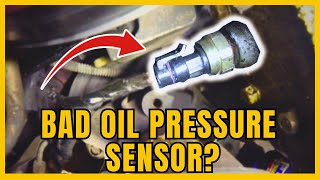
A bad oil pressure switch can make you think your engine is failing. Before you panic, check for these common signs. 🎬 Watch: 7 common symptoms of a bad oil pressure sensor The problem is often the switch itself, not a lack of oil pressure.
- Jumping Gauge: The needle on your oil pressure gauge moves erratically, sometimes from one extreme to the other.
- Stuck Gauge: The gauge reads zero, or it's pegged at the maximum reading, even when the engine is running normally.
- Warning Lights: The oil warning light or the check engine light comes on. A code like P0522 might be stored in the computer.
- Oil Leaks: You may find oil leaking from the sensor itself, which is located at the back of the engine near the firewall.
Don't Ignore the Warnings
While a faulty sensor is the most likely cause, these symptoms *can* also indicate real, dangerous low oil pressure. If you see a low pressure warning and hear new engine noises like ticking or knocking, stop the engine immediately to prevent catastrophic damage.
🎬 See how to test your actual oil pressure and switchChoosing the Right Aftermarket Switch
You don't need to buy an expensive OEM part from the dealer. Quality aftermarket brands offer reliable replacements. For this part, aftermarket quality is generally considered very good and a smart financial choice. Here’s a look at the brands available, sorted into tiers based on general reputation and manufacturing standards.
Tier 1: Premium Aftermarket
Standard Ignition (Standard Motor Products): A highly trusted name in the aftermarket world. Mechanics and DIYers have relied on Standard parts for decades. They are known for robust testing and quality materials, often meeting or exceeding OEM specifications. For peace of mind, this is an excellent choice.
Tier 2: Quality Aftermarket
Rostra Powertrain: Rostra specializes in powertrain electronics and is a certified OE supplier for some manufacturers. They have a reputation for quality solenoids and sensors, making them a solid and reliable alternative to a premium brand.
Tier 3: Economy/Standard
Global Parts: This brand is often associated with air conditioning components and is more of a budget-friendly option. While it will get the job done and meets the minimum requirements, there is less available data on the long-term reliability of their sensors compared to brands like Standard or Rostra.
Pro Tip: Get the Right Socket
Replacing this switch requires a special oil pressure switch socket, which is a deep socket with a specific shape. They are inexpensive and will save you a massive headache. Trying to use regular pliers or wrenches will likely damage the new switch or your hands.
Cost of Replacing the Oil Pressure Switch
| Part Type | Estimated Cost |
|---|---|
| New Aftermarket Part | $21.34 - $65.23 |
| New OEM Part | $75 - $130 |
| Shop Labor | $75 - $150 |
| Total Professional Replacement | $96 - $280 |
Frequently Asked Questions
Where is the oil pressure switch located on a 1992-1999 GMC Yukon?
The switch is located at the very back of the engine block, near the firewall, slightly to the passenger side of the distributor. It is in a tight space and can be difficult to see and reach from the top of the engine bay.
Can I replace this part myself?
Yes, this is a DIY-feasible job for someone with basic tools and patience. The main challenge is the tight location. You will need a ratchet, extensions, a swivel adapter, and the special oil pressure switch socket to make the job much easier.
🎬 Watch this step-by-step guide to replacing the switch yourselfIs an OEM switch better than aftermarket for my Yukon?
For this specific part, a quality aftermarket switch from a reputable brand like Standard Ignition or Rostra is a reliable and cost-effective choice. There is no significant performance or longevity benefit to spending extra on an OEM part in this case, as the technology is straightforward and well-replicated by top aftermarket companies.
Were there any recalls for the oil pressure switch on the 1992-1999 Yukon?
No. Searches of the National Highway Traffic Safety Administration (NHTSA) database show no recalls or technical service bulletins (TSBs) specifically related to the engine oil pressure switch for this generation of GMC Yukon. Failures are typically due to the age and mileage of the vehicle.
Helpful Videos
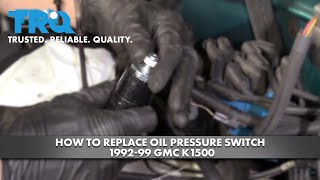
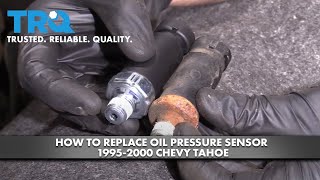
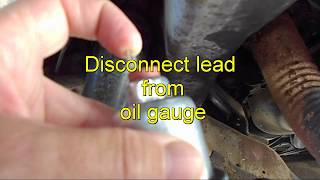
Technical Specifications
OEM Part Numbers: 19244500
Location: Rear of engine block, near distributor. Required Tool: Oil Pressure Switch Socket (1-1/16 inch).
We Have This Part in Stock

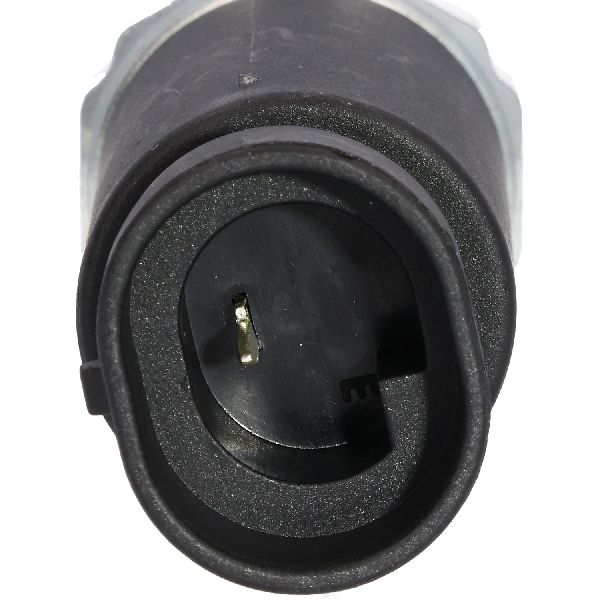

The information in this article is provided for general reference and educational purposes only. Vehicle specifications, procedures, and part compatibility can vary by production date, trim level, and region. Always consult your vehicle's factory service manual and verify part numbers before purchasing or performing repairs. Safety-critical components such as airbags, seat belts, and braking systems should be installed by a qualified professional.
- GMC Yukon:
- 🎬 Helpful Videos
- 🛍️ Shop This Part
- Is Your Yukon's Oil Gauge Acting Up?
- Symptoms of a Failing Oil Pressure Switch
- Don't Ignore the Warnings
- Choosing the Right Aftermarket Switch
- Tier 1: Premium Aftermarket
- Tier 2: Quality Aftermarket
- Tier 3: Economy/Standard
- Pro Tip: Get the Right Socket
- Cost of Replacing the Oil Pressure Switch
- Frequently Asked Questions
- 🎟️ Get 5% Off