

Ignition Coil Guide for the 1992-1999 GMC Yukon
A weak or failing ignition coil can cause misfires, poor fuel economy, and leave you stranded.
- A failing coil will cause misfires, rough idle, poor power, and can prevent your Yukon from starting.
- Replacement is simple and can be done in under an hour with basic tools.
- Premium aftermarket brands like Delphi and Standard Ignition (SMP) offer OEM-level quality for a lower price.
- It is highly recommended to also replace the spark plugs, distributor cap, and rotor when you replace the coil.
Is Your Yukon's Ignition Coil Failing?
A bad ignition coil on the 1992-1999 GMC Yukon will cause noticeable engine problems. Because this generation uses a single coil for all cylinders, a complete failure will prevent the truck from starting at all. More often, the coil will weaken over time, causing issues that get progressively worse.
Common Symptoms of a Bad Ignition Coil:
- Engine Misfires: The engine may sputter, shake, or hesitate, especially under load or at idle. This is often the most common symptom.
- Rough Idle: Your Yukon may vibrate or run unevenly when stopped at a light.
- Difficulty Starting: The engine may crank for longer than usual before starting, or it may not start at all.
- Reduced Power & Poor Acceleration: You might notice the truck feels sluggish and doesn't accelerate as it should.
- Worse Fuel Economy: An inefficient spark means unburned fuel, causing you to fill up more often.
- Check Engine Light: A failing coil can trigger misfire codes (like P0300 for a random misfire) and turn on the check engine light.
Choosing the Right Aftermarket Ignition Coil
When replacing the ignition coil on your Yukon, you have several options. The original part was likely made by AC Delco, with Delphi being a primary supplier to GM. Aftermarket parts offer a range of quality and price points.
Brand Quality Tiers
Not all aftermarket brands are created equal. Here’s a breakdown of what you can expect:
- Premium Aftermarket (OEM-Equivalent): Brands like Delphi, NGK, and Standard Ignition (SMP) are known for producing parts that meet or exceed original equipment specifications. Delphi was a major parts supplier for GM, so their products are often identical to the original AC Delco parts. Standard Motor Products has a long-standing reputation for quality, especially for domestic applications.
- Performance Brands: Companies like MSD and Accel offer high-output coils designed to provide a stronger spark. These can be a good upgrade, especially if you have other performance modifications. However, for a stock engine, the performance gains may not be noticeable.
- Standard/Value Brands: Brands such as DriveWire, Spectra, Hitachi, and others offer a cost-effective solution. While they can be a good value, their long-term durability may not match that of premium brands.
Pro Tip: For the 1992-1999 Yukon, a premium aftermarket coil from a brand like Delphi or Standard Ignition offers the best balance of quality, reliability, and price without the higher cost of a dealer part.
Cost of Replacing a GMC Yukon Ignition Coil
The cost to replace your ignition coil will vary based on the part you choose and whether you do the work yourself. The job is straightforward and can be done with basic hand tools, making it a great DIY task.
| Part/Service | Estimated Cost |
|---|---|
| New Aftermarket Ignition Coil | $20.99 - $111.74 |
| New OEM (AC Delco) Ignition Coil | $50 - $150 |
| Shop Labor | $50 - $100 |
Frequently Asked Questions
How do I know for sure my ignition coil is bad?
While symptoms like misfiring and rough idle strongly point to the coil, they can also be caused by bad spark plugs or wires. On pre-1996 models, diagnosis can be tricky. On 1996 and newer models with OBD-II, a code like P0300 (Random/Multiple Cylinder Misfire) is a strong indicator. A definitive test involves checking for spark at the coil's output wire. If there's no spark coming from the coil, but it's receiving power, the coil has failed.
Is it hard to replace the ignition coil on a 92-99 Yukon?
No, it is a relatively easy job. The coil is typically mounted on a bracket on or near the intake manifold. The process involves disconnecting the battery, unplugging the two electrical connectors, removing the main coil wire that goes to the distributor, and unbolting the coil and its bracket. The entire job can usually be done in under an hour with basic tools like a ratchet and sockets.
Should I replace my spark plugs and wires at the same time?
It is highly recommended. A failing ignition coil can put extra stress on other ignition components, and old spark plugs and wires can cause a new coil to fail prematurely. Replacing the coil, spark plugs, and distributor cap/rotor at the same time is a good way to ensure your ignition system is in top shape.
Are there any recalls for the ignition coil on this Yukon?
Searches of the National Highway Traffic Safety Administration (NHTSA) database did not reveal any specific recalls or widespread investigations related to ignition coil failure for the 1992-1999 GMC Yukon.
Technical Specifications
OEM Part Numbers: 19418993 12558693 19355500
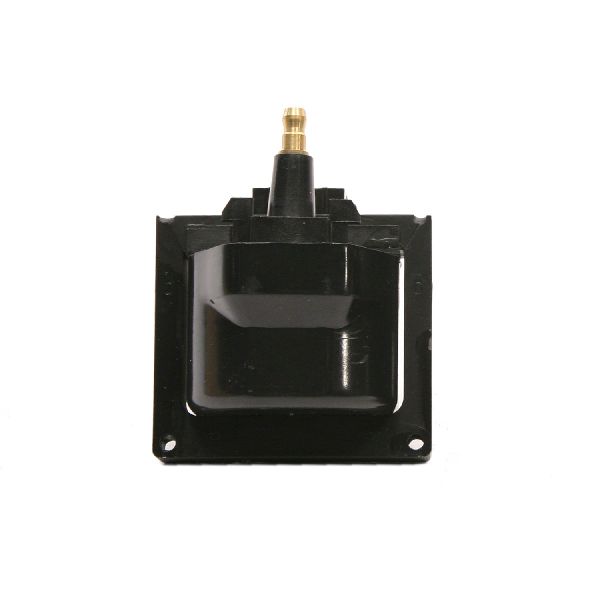
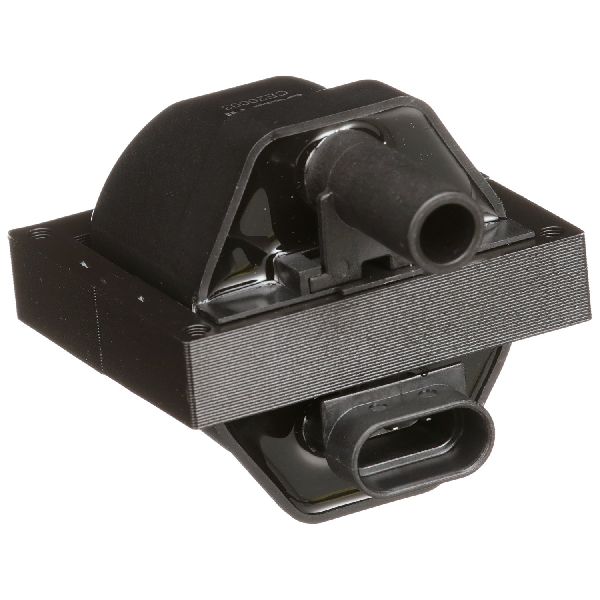
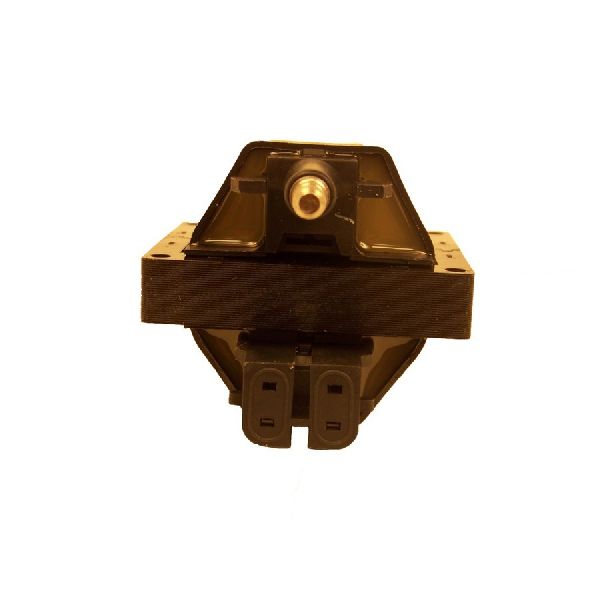
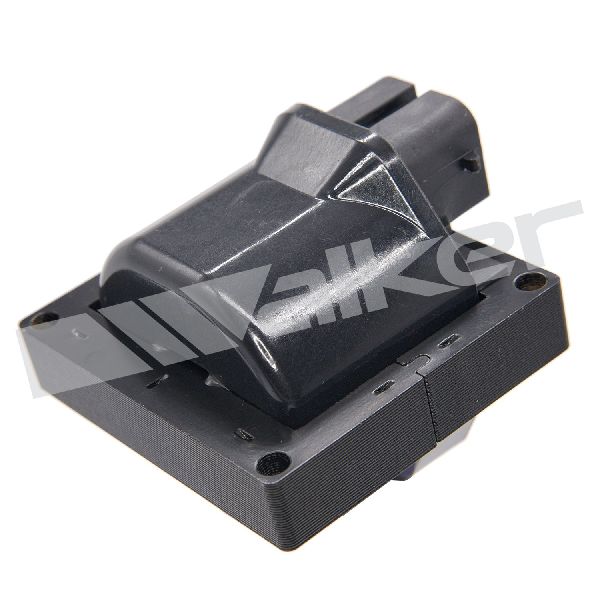
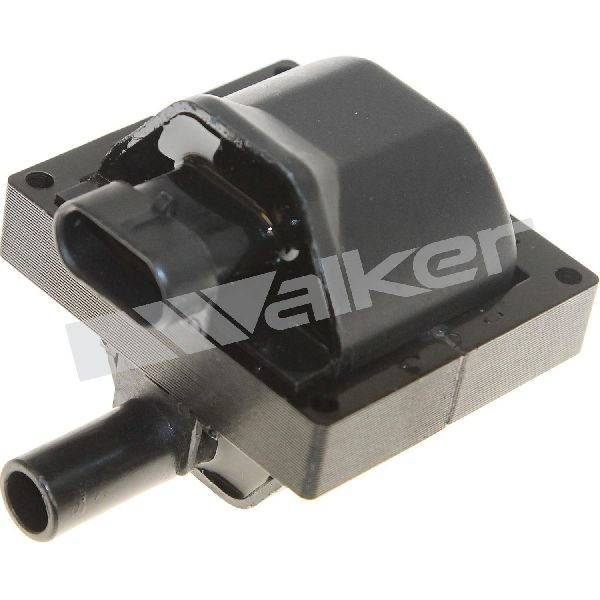
This vehicle generation uses a single, external, E-core style ignition coil that supplies voltage to a distributor. It is typically mounted to a bracket on the engine's intake manifold.
We Have This Part in Stock


The information in this article is provided for general reference and educational purposes only. Vehicle specifications, procedures, and part compatibility can vary by production date, trim level, and region. Always consult your vehicle's factory service manual and verify part numbers before purchasing or performing repairs. Safety-critical components such as airbags, seat belts, and braking systems should be installed by a qualified professional.
- GMC Yukon: