

Throttle Position Sensor (TPS) for 1992-1999 GMC Yukon: A Complete Guide
If your Yukon is hesitating, idling rough, or shifting poorly, the throttle position sensor might be the culprit.
- Symptoms of a bad TPS include rough idle, hesitation, poor shifting, and a check engine light with codes P0121-P0124.
- Replacement is simple, located on the throttle body and held by two screws, making it a great DIY job.
- For reliability, choose premium brands like ACDelco or Delphi; economy brands have a higher risk of early failure.
- No special programming is needed, but an idle relearn procedure after installation is recommended.
Is Your Yukon's Throttle Position Sensor Failing?
A bad throttle position sensor can cause a range of frustrating problems that make your Yukon difficult to drive. Because the sensor provides critical data for fuel and shifting, a bad signal can mimic other part failures. Look for these common symptoms before you decide to replace the part.
Common Symptoms of a Bad TPS:
- Check Engine Light: This is often the first sign. You may see codes like P0121, P0122, or P0123, which point directly to a TPS circuit problem.
- Hesitation or Stumbling: When you press the gas, the truck might hesitate or bog down before accelerating.
- Poor or Rough Idle: Your Yukon might idle too high, too low, or surge up and down unexpectedly.
- Erratic Shifting: The automatic transmission may shift hard, at the wrong times, or seem to hunt for the right gear.
- Reduced Engine Power: In some cases, the ECU may enter a "limp mode" to protect the engine, severely limiting speed and power.
Known Issues & Recalls
While there are no specific recalls or Technical Service Bulletins (TSBs) for the throttle position sensor on the 1992-1999 GMC Yukon, later models did have TSBs issued for TPS-related problems causing reduced engine power. This highlights the importance of this sensor in GM trucks. Always check for recalls using your vehicle's VIN on the NHTSA website.
Choosing the Right Aftermarket TPS
When it comes to electronic sensors, quality matters. A cheap, poorly made sensor can fail quickly, leaving you with the same problems. Here’s a breakdown of available brands to help you choose.
Brand Quality Tiers
Tier 1: OEM & Premium Aftermarket
- ACDelco: As the original equipment manufacturer for GM, ACDelco is the benchmark for quality and fit. While they are often the most expensive, you are getting a part designed specifically for your truck.
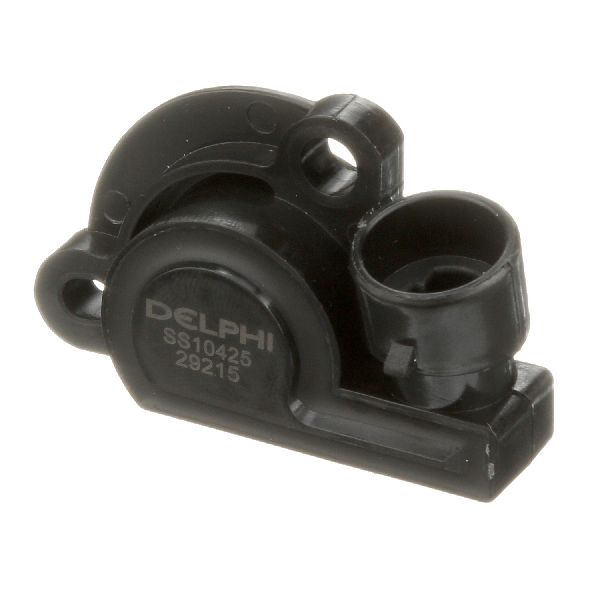
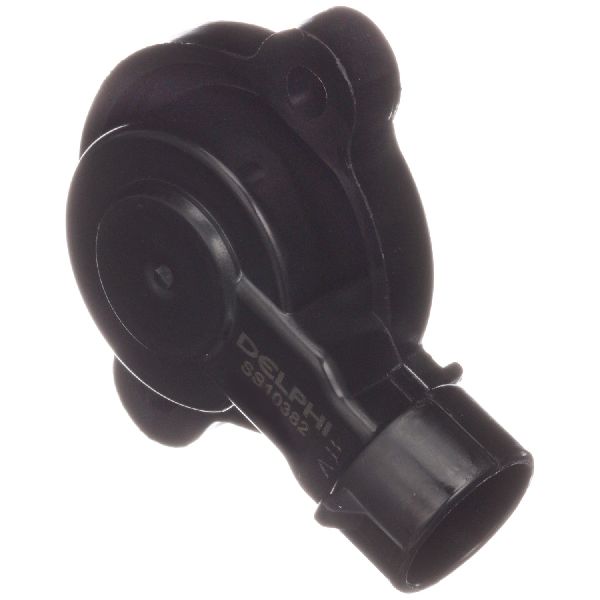
- Delphi: Delphi was once a part of GM and a major OEM supplier. Their parts are widely considered to be of OEM quality and are a reliable alternative to ACDelco, often at a slightly lower price.
Tier 2: Reputable Aftermarket
- NGK/NTK: Known for quality ignition components, NTK (a brand of NGK) produces sensors that meet or exceed OE specifications and are a solid choice.
- Standard Motor Products (SMP): A long-standing aftermarket brand. While some users have noted quality can be inconsistent on certain parts, they are generally considered a decent mid-tier option.
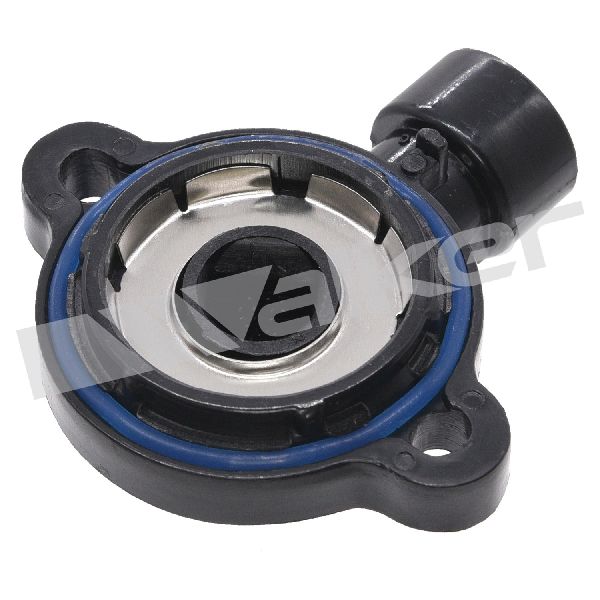
- Walker Products: Another established aftermarket brand that offers a reliable alternative to premium brands.
Tier 3: Economy Options
- Dorman: Dorman's quality can be hit-or-miss. While some of their "OE FIX" parts improve on the original design, their standard sensors are sometimes cited by users for premature failure. Consider Dorman if budget is the primary concern, but be aware of the potential trade-off in longevity.
- Other Brands: Brands like Beck Arnley, Global Parts, Motorad, Replacement, and True Tech fall into the value category. They can be a cost-effective solution, but may not offer the same durability as premium brands.
Pro Tip: For a critical sensor like the TPS, spending a little more on a premium brand like ACDelco or Delphi can save you the headache of replacing it again in a few months. The reliability of the signal to the ECU is worth the extra cost.
Estimated Costs
| Part Type | Estimated Cost |
|---|---|
| New Aftermarket | $25 - $78 |
| New OEM (ACDelco) | $60 - $100 |
| Shop Labor | $50 - $100 |
Frequently Asked Questions (FAQ)
Can I just clean the throttle position sensor?
No. The TPS is a sealed electronic sensor. The problems are usually caused by internal wear on the electrical contacts, not dirt. While you're replacing the sensor, it is a great idea to clean the throttle body itself with a dedicated cleaner, as carbon buildup can cause separate idling issues.
Does a new TPS need to be calibrated or programmed?
For the 1992-1999 Yukon, a specific programming or "reflash" is not typically required. However, after installation, it's a good practice to perform an idle relearn procedure. This can sometimes be as simple as disconnecting the battery for 15 minutes to reset the ECU, or following a specific procedure of idling the engine.
Is replacing the TPS a difficult job?
No, this is a very DIY-friendly job. The TPS is located on the side of the throttle body and is usually held in place by two Torx screws. The process involves removing the air intake tube, unplugging the sensor, unscrewing it, and installing the new one. It typically takes less than 30 minutes.
Why did my cheap aftermarket TPS fail after only a few months?
Lower-cost sensors often use cheaper internal components that wear out faster. The constant movement and electrical signaling required of a TPS can quickly degrade inferior parts, leading to a return of the original symptoms. This is why many mechanics recommend using OEM or premium aftermarket brands for electronic sensors.
Technical Specifications
OEM Part Numbers: 19259452 213-918 25036663
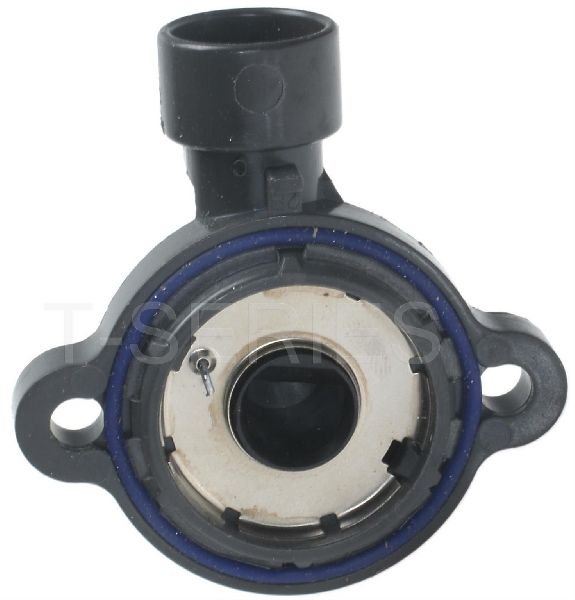
Typically a 3-pin potentiometer-style sensor mounted to the side of the throttle body. It converts the throttle blade's angle into a voltage signal for the ECU.
We Have This Part in Stock


The information in this article is provided for general reference and educational purposes only. Vehicle specifications, procedures, and part compatibility can vary by production date, trim level, and region. Always consult your vehicle's factory service manual and verify part numbers before purchasing or performing repairs. Safety-critical components such as airbags, seat belts, and braking systems should be installed by a qualified professional.
- GMC Yukon: