

A Guide to New Aftermarket Alternators for the 1992-1999 Jeep Wrangler
Keep your YJ or TJ Wrangler powered up on the trail and the street with the right alternator.
- Assess your electrical needs; if you have a winch, extra lights, or a big stereo, a high-output alternator from a brand like Powermaster is a wise investment.
- For a stock Wrangler, a new OEM-quality replacement from brands like Bosch or ACDelco offers reliability and good value.
- Always test both the battery and alternator before buying parts, as a bad battery can mimic the symptoms of a failing alternator.
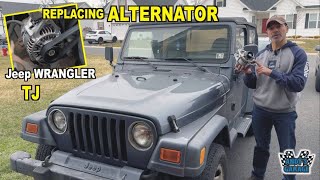
- Replacing the alternator on a YJ or TJ is a DIY-friendly job that can be done in about an hour with basic hand tools.
Is Your Wrangler's Alternator Failing?
A failing alternator can sometimes be mistaken for a bad battery. Before you replace any parts, it's a good idea to test both. Many auto parts stores will test them for free. Here are the common signs that your alternator is on its way out:
- Dimming or Flickering Lights: You might notice your headlights or dashboard lights dim at idle and brighten when you rev the engine. This is a classic sign of a weak alternator struggling to provide consistent power.
- Battery or "Check Gauges" Light: If the battery-shaped warning light or a "Check Gauges" indicator comes on while you're driving, your Jeep's computer has detected a problem in the charging system.
- Slow Starting or Dead Battery: The alternator's job is to recharge the battery. If it fails, the battery will drain, making it hard to start your Jeep or leaving you stranded.
- Whining or Grinding Noises: A whining sound that changes with engine RPM often points to failing bearings inside the alternator.
- Electrical Gremlins: Weird issues like your radio cutting out or power windows moving slowly can happen when the alternator can't supply enough power to all the vehicle's systems.
Known Issues & Recalls
Searches of the National Highway Traffic Safety Administration (NHTSA) database did not show any alternator-specific recalls for the 1992-1999 Jeep Wrangler models. However, older vehicles are more prone to issues from worn components like belts and connectors, which can mimic alternator failure.
Choosing the Right Aftermarket Alternator
When shopping for a new aftermarket alternator, the main decision is choosing the right amperage (AMP) for your needs. Consider how you use your Wrangler.
Standard vs. High-Output Alternators
A standard replacement alternator (typically 90-120 amps) is perfect for a stock or lightly modified Wrangler. It will reliably power all the factory equipment. If you just use your Jeep for daily driving and light trails, this is all you need.
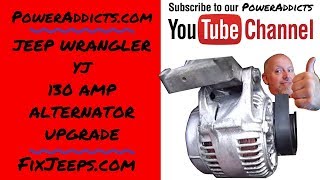
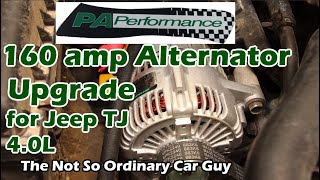
A high-output alternator (135 amps or more) is a smart upgrade for Wranglers with added electrical accessories. If you run a winch, multiple off-road lights, a large sound system, or an onboard air compressor, a high-output unit will prevent your battery from draining and ensure all your gear has enough power. 🎬 Learn more about installing a high-output alternator in your TJ. When upgrading to a significantly higher amperage, you may also need to upgrade your main power and ground wires (known as the "Big 3 Upgrade").
Aftermarket Brand Tiers
Here’s an honest look at the brands available for your YJ or TJ Wrangler:
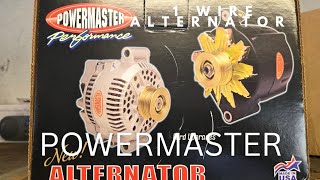
- Premium / High-Performance (Powermaster): Powermaster is a top choice for high-output needs. They specialize in alternators that provide more power at idle and are built to handle the demands of off-road accessories. They are a great investment if you have a heavily modified Jeep.
- OEM-Quality Replacements (Bosch, Remy, ACDelco): These brands are known for making parts that meet or exceed original factory specifications. A new alternator from Bosch or Remy is a solid, reliable choice for a daily-driven or stock Wrangler. They offer a good balance of quality and price.
- Jeep-Specialist & Value Brands (Crown Automotive, Omix-Ada, WAI Global, BBB Industries, MPA): Brands like Crown and Omix-Ada specialize in replacement parts for Jeeps. They are often the most affordable options and are designed as direct, OE-style replacements. While some owners use them without issue, others prefer to stick with OEM-quality brands for critical components like the alternator. These are best suited for stock vehicles where budget is the main priority.
Pro Tip: The Durango Upgrade
A popular and budget-friendly high-output upgrade for 1997-1999 TJ Wranglers is using an alternator from a late-90s Dodge Durango or Dakota with a V8 engine. These alternators can provide around 135 amps and often bolt in with minor modifications, like swapping the pulley from your original alternator.
🎬 See how to perform the 135 amp Durango alternator upgrade.Cost Comparison for a New Alternator
| Part Type | Estimated Cost |
|---|---|
| New Aftermarket | $53 - $450 |
| Remanufactured Aftermarket | $80 - $250 |
| Shop Labor for Installation | $100 - $250 |
Costs are estimates and can vary based on brand, warranty, and local labor rates.
Frequently Asked Questions
Can I replace the alternator myself?
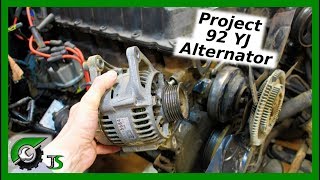
Yes, for most DIY mechanics, this is a straightforward job. It requires basic hand tools like a socket set and wrenches. The process involves disconnecting the battery, loosening the serpentine belt, removing a few bolts and electrical connectors, and then swapping the part. It can typically be done in about an hour.
🎬 Watch this step-by-step guide on removing a YJ alternator.How do I know if it's the alternator or the battery?
A simple test with a multimeter can often tell you. With the engine off, a healthy battery should read around 12.6 volts. With the engine running, the multimeter should read between 13.5 and 14.5 volts at the battery terminals. If the voltage is low with the engine running, the alternator is likely the problem. If the battery won't hold a charge even after being jumped, the battery itself may be bad.
What's the difference between a new and a remanufactured alternator?
A new alternator is made with 100% new components. A remanufactured alternator has been disassembled, cleaned, and had its worn or failed components (like bearings and brushes) replaced before being tested to meet specifications. Both can be reliable, but new units often come with better warranties.
Do I need a special alternator for off-roading?
While not strictly necessary, alternators with higher output at low RPMs are beneficial for off-roading, especially when winching or crawling slowly with lights and other accessories on. Some high-performance alternators also feature sealed designs to better resist mud and water.
Helpful Videos
Technical Specifications
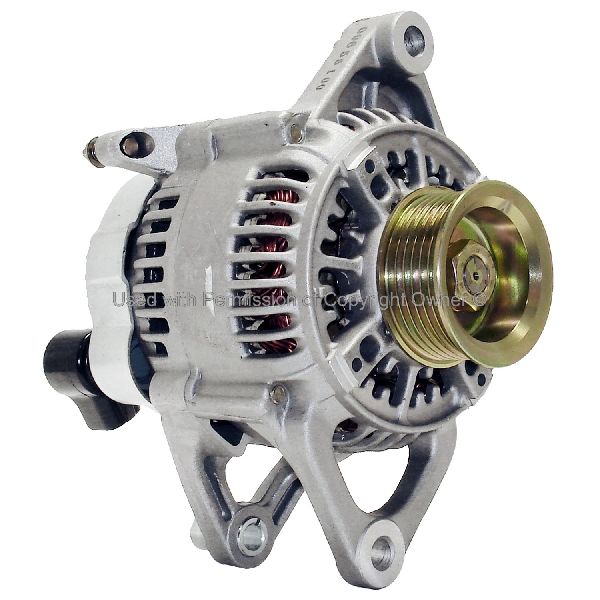
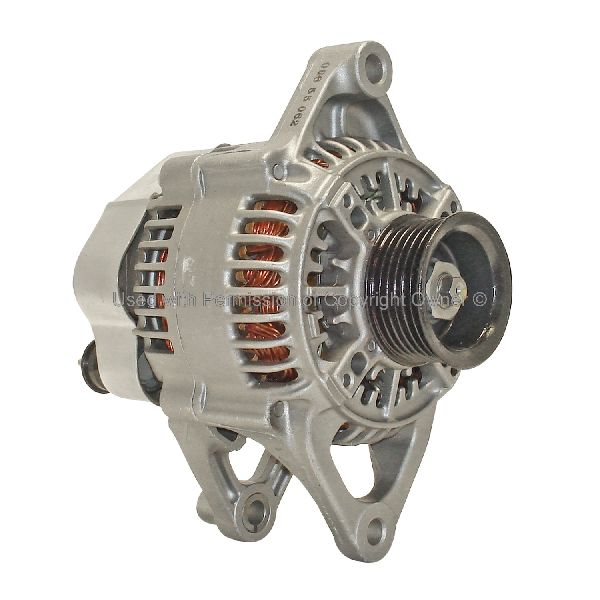
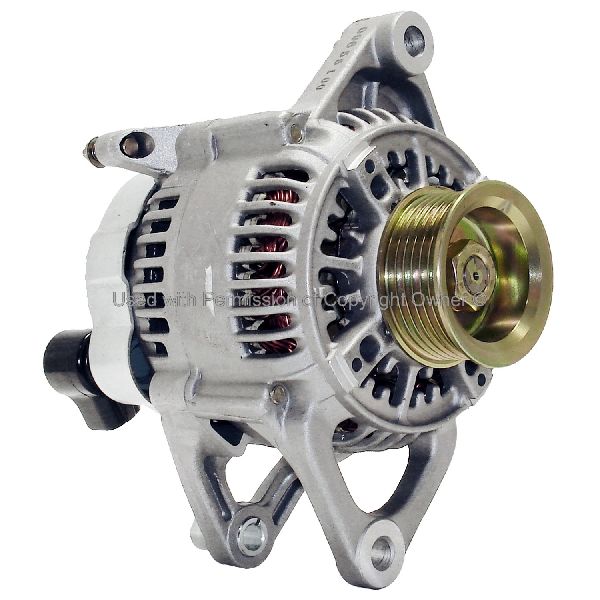
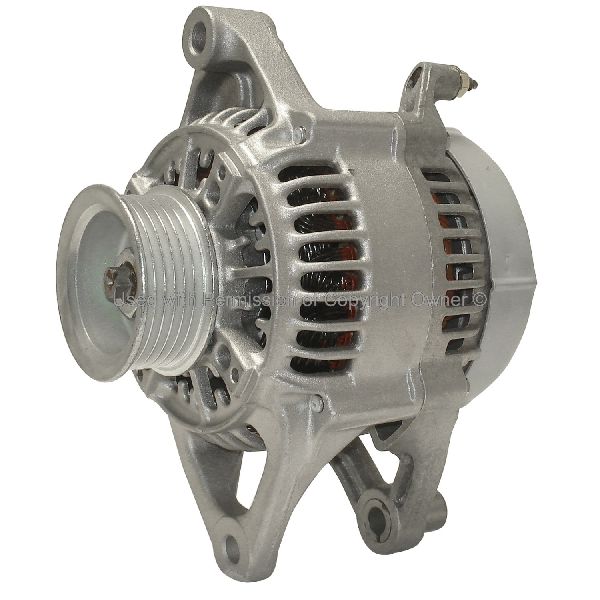
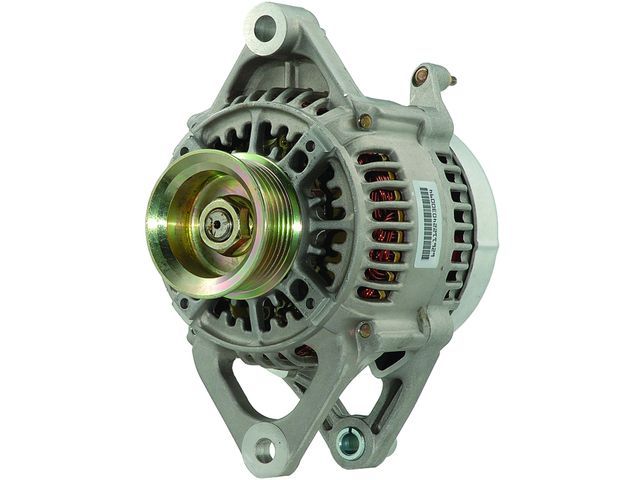
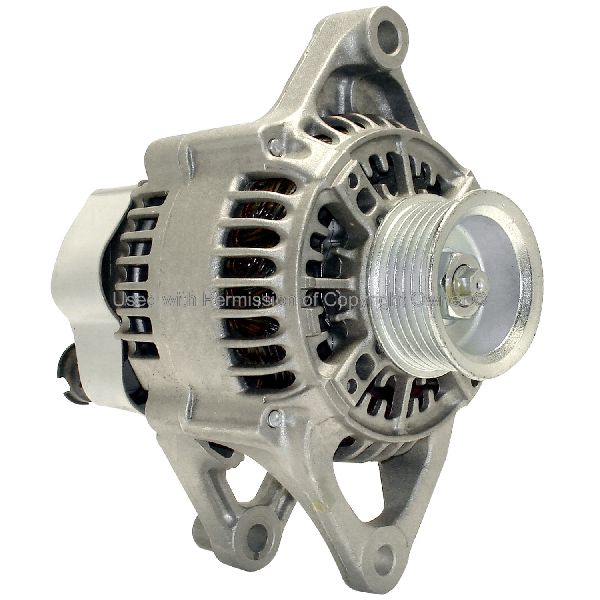
Fits 1992-1999 Jeep Wrangler YJ & TJ models with 2.5L 4-Cylinder or 4.0L 6-Cylinder engines. Standard output is typically 90 amps. High-output options range from 120 amps to over 250 amps. Uses a serpentine belt with a 6-groove pulley.
We Have This Part in Stock

The information in this article is provided for general reference and educational purposes only. Vehicle specifications, procedures, and part compatibility can vary by production date, trim level, and region. Always consult your vehicle's factory service manual and verify part numbers before purchasing or performing repairs. Safety-critical components such as airbags, seat belts, and braking systems should be installed by a qualified professional.
- Jeep Wrangler:
- 🎬 Helpful Videos
- 🛍️ Shop This Part
- Is Your Wrangler's Alternator Failing?
- Known Issues & Recalls
- Choosing the Right Aftermarket Alternator
- Standard vs. High-Output Alternators
- Aftermarket Brand Tiers
- Pro Tip: The Durango Upgrade
- Cost Comparison for a New Alternator
- Frequently Asked Questions
- 🎟️ Get 5% Off