

A Comprehensive Guide to the 1992-1999 Toyota Celica Distributor
If your Celica is running rough, stalling, or won't start, the distributor is a likely culprit.
- Failure of the internal ignition coil is the most common reason for replacing the distributor on this Celica.
- It is highly recommended to replace the entire distributor assembly, not just the individual failed component.
- Aftermarket parts are the most practical option, but quality can be inconsistent; check warranties.
- Proper replacement requires setting the ignition timing with a timing light; this step is not optional.
Common Failure Points in Celica Distributors
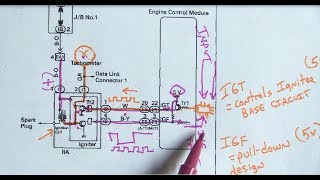
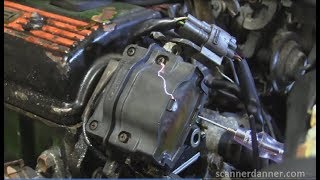
For the 6th generation Celica (1992-1999), distributor failure is a well-known issue. The most common problem isn't the housing or gear itself, but the electronic components housed inside. Technicians report that the internal ignition coil is a frequent point of failure. This can cause a range of problems, from hesitation during acceleration to a complete no-start condition. 🎬 Watch: Part 1 of testing a no-spark condition on your Celica. Another part that can fail is the pickup coil (or igniter), which sends the signal to the main coil. Additionally, the external O-ring and internal shaft seal can dry out and crack with age, leading to oil leaks onto the engine block.
Replace the Whole Assembly, Not Just the Parts
While it's sometimes possible to replace just the internal coil or seals, it's highly recommended to replace the entire distributor assembly. If one component has failed due to age and heat, the others are likely not far behind. A complete new aftermarket unit is often cheaper and more reliable in the long run than trying to piece together an old distributor.
Symptoms of a Failing Distributor
A bad distributor can make your Celica run poorly or not at all. Watch for these signs:
- Engine Hesitation: The car may stumble or lag when you accelerate. This is especially common on cold, damp days when the internal coil is failing.
- Rough Idle or Stalling: The engine may shake at a stop or stall completely.
- Difficulty Starting: The engine may crank for a long time before starting, or it may not start at all.
- Engine Misfires: You may feel a jerking or stumbling sensation while driving, which can trigger a Check Engine Light (often code P0300).
- Visible Oil Leak: Oil leaking from the base of the distributor where it enters the engine is a sign of a bad O-ring.
Choosing the Right Aftermarket Distributor
Since new OEM Toyota distributors are often discontinued and very expensive, the aftermarket is the go-to choice for these vehicles. However, quality can vary between brands.
Tier 1: Value-Focused New Units
- Replacement: This brand focuses on providing 100% new, direct-fit units that are designed to meet original specifications. They are a dependable and straightforward choice for owners looking for a balance of price and reliability.
Tier 2: Remanufactured & Mixed Reviews
- Cardone: Cardone offers both new and remanufactured distributors. Some users have had good long-term experiences, especially with their remanufactured units that come with a lifetime warranty. However, other reviews mention inconsistent quality and suggest they are best used as a temporary fix.
- WAI Global: This brand produces 100% new distributors. Like Cardone, owner experiences are mixed. Some have had repeated failures, while others find them acceptable. Some sources even claim that different brands may sell the same core component manufactured overseas.
Pro Tip: Check the Warranty
When buying an aftermarket distributor, pay close attention to the warranty. A brand that offers a 1-year or even a limited lifetime warranty shows confidence in its product and gives you protection against premature failure.
| Item | Estimated Cost |
|---|---|
| Shop Labor | $133 - $195 |
| New Aftermarket Distributor | $139 - $292 |
| Total Professional Replacement | $272 - $487 |
Frequently Asked Questions (FAQ)
Can I replace my Celica's distributor myself?
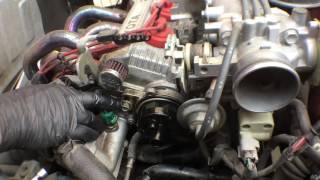
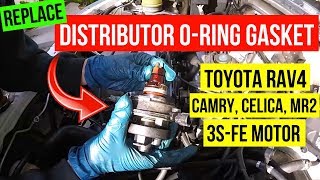
Yes, this is a DIY-feasible job for someone with moderate mechanical skill. 🎬 See this walkthrough for changing a distributor on the 5SFE engine. The distributor is usually held in by one or two bolts and is easy to access. However, you MUST set the ignition timing with a timing light after installation. Failure to do so will result in poor performance, bad fuel economy, and potential engine damage.
Do I really need a timing light? 🎬 Watch: How to properly check and adjust your ignition timing.
Yes. While marking the old distributor's position before removal can get the car started, it does not guarantee correct timing. A timing light is essential to properly adjust the ignition timing to factory specifications, which is critical for engine health and performance.
Should I just replace the cap and rotor instead of the whole distributor?
If your only issue is a worn cap and rotor (from a routine tune-up), then yes. But if you have symptoms like a no-start or hesitation, the problem is likely the internal coil or igniter. In that case, replacing the entire assembly is the recommended and more reliable repair.
Are there any recalls on the 1992-1999 Celica distributor?
No. Searches of the National Highway Traffic Safety Administration (NHTSA) database show no safety recalls or technical service bulletins (TSBs) for distributor failure on this generation of Toyota Celica. Failures are related to normal wear and tear of the electronic components over time.
Helpful Videos

Technical Specifications
OEM Part Numbers: 19050-74010 19020-16280 19050-74030 19050-74040 19100-74110
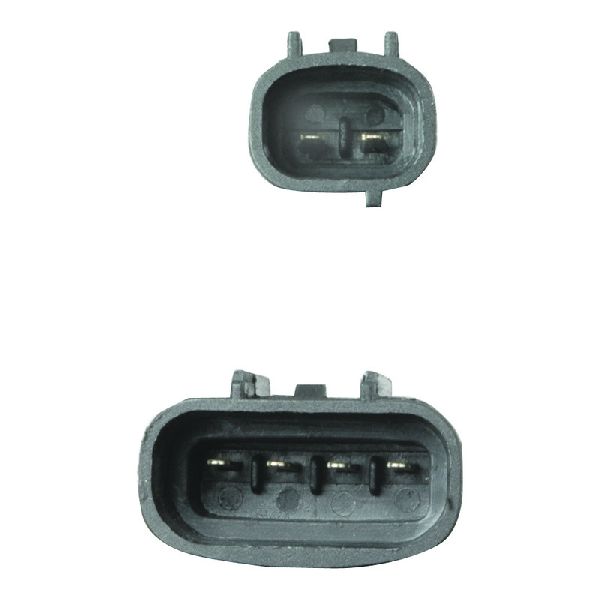
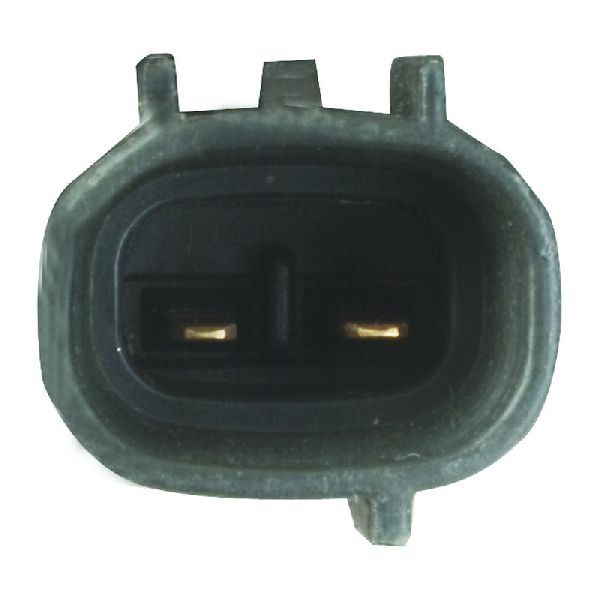
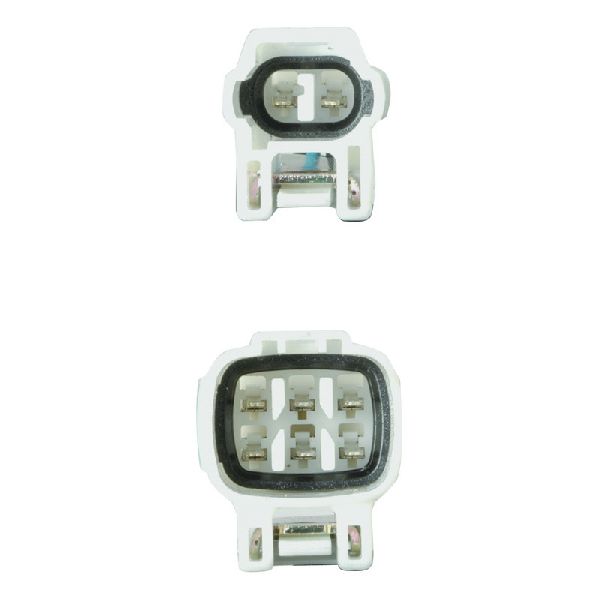
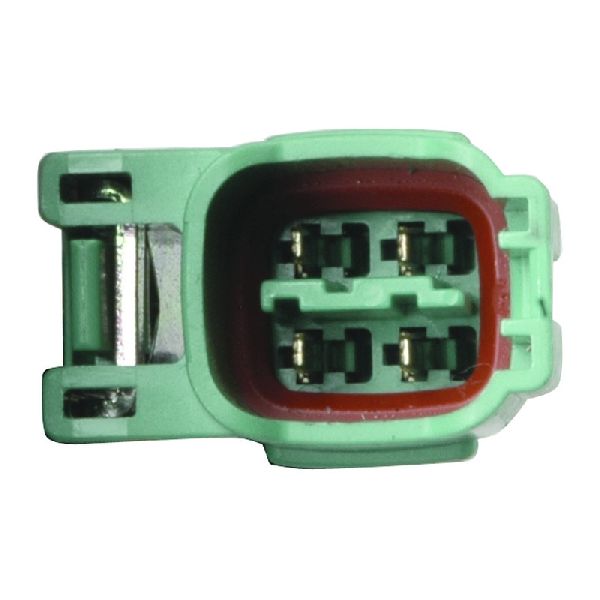
Fitment varies by engine (1.8L 7A-FE or 2.2L 5S-FE) and model year. The assembly includes the housing, shaft, internal ignition coil, igniter (pickup coil), rotor, and cap. Always verify the part number or use a vehicle fitment checker before ordering.
We Have This Part in Stock



The information in this article is provided for general reference and educational purposes only. Vehicle specifications, procedures, and part compatibility can vary by production date, trim level, and region. Always consult your vehicle's factory service manual and verify part numbers before purchasing or performing repairs. Safety-critical components such as airbags, seat belts, and braking systems should be installed by a qualified professional.
- Toyota Celica: