

Chevrolet Astro 1992-2000 Ignition Knock Sensor: A Comprehensive Guide
Understanding the signs of a failing knock sensor and how to choose the right replacement for your Astro van.
- A bad knock sensor will likely trigger a Check Engine Light with code P0327 and cause poor acceleration.
- For reliability, choose OEM-equivalent brands like ACDelco or Delphi; quality aftermarket like NGK or Standard Ignition are also good choices.
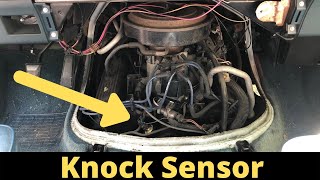
- The sensor is easy to access on the 4.3L V6 after removing the engine doghouse, located next to the distributor.
- Proper torque (14-15 ft-lbs) is critical during installation to ensure the new sensor functions correctly.
Is Your Astro's Knock Sensor Failing?
A bad knock sensor can cause noticeable problems with your van's performance. Because the engine's computer relies on this sensor for correct ignition timing, a faulty one can send bad information, or none at all. This can trick the computer into adjusting timing when it's not needed, leading to poor performance.
Symptoms of a Bad Knock Sensor:
🎬 Watch this video to see common symptoms of a bad sensor.- Check Engine Light: This is often the first sign. The computer will store a trouble code, commonly P0327 (Knock Sensor Circuit Low Input), indicating a problem with the sensor or its circuit.
- Poor Acceleration: You might feel like your Astro is sluggish or hesitating, especially when you press the gas pedal hard. This happens because the computer, unsure if there's a knock, may default to a "safe" mode with reduced power to prevent potential engine damage.
- Engine Pinging or Knocking: If the sensor fails completely, it can't detect detonation. You might hear a metallic pinging or knocking sound, especially when the engine is under load, like when going up a hill.
- Reduced Fuel Economy: When ignition timing isn't optimal, your engine doesn't burn fuel as efficiently, leading to more trips to the gas station.
Choosing the Right Aftermarket Knock Sensor
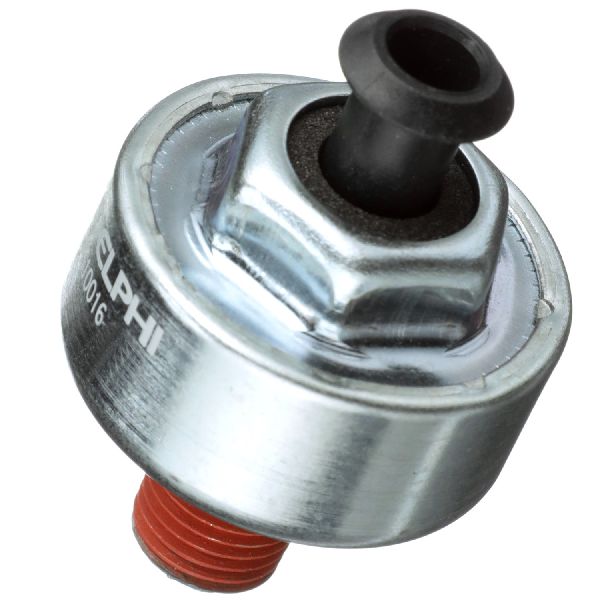
For the 1992-2000 Chevrolet Astro, the original equipment (OEM) manufacturer for many sensors was ACDelco or Delphi. When choosing a replacement, you have several good options that balance quality and price.
Aftermarket Brand Tiers
| Tier | Brands | Notes |
|---|---|---|
| OEM / Premium Aftermarket | ACDelco, Delphi | These brands are often the original suppliers to GM. They are widely considered the most reliable choice for sensors, ensuring proper communication with your Astro's computer. Many professional mechanics recommend sticking with these brands to avoid issues. |
| Quality Aftermarket | NGK, Standard Ignition (SMP) | NGK (also known as NTK for sensors) and Standard Motor Products are well-regarded aftermarket brands that produce quality components. They are a solid alternative to OEM, often providing similar performance at a lower cost. Be aware that Standard's "T-Series" is their economy line and may have lower quality. |
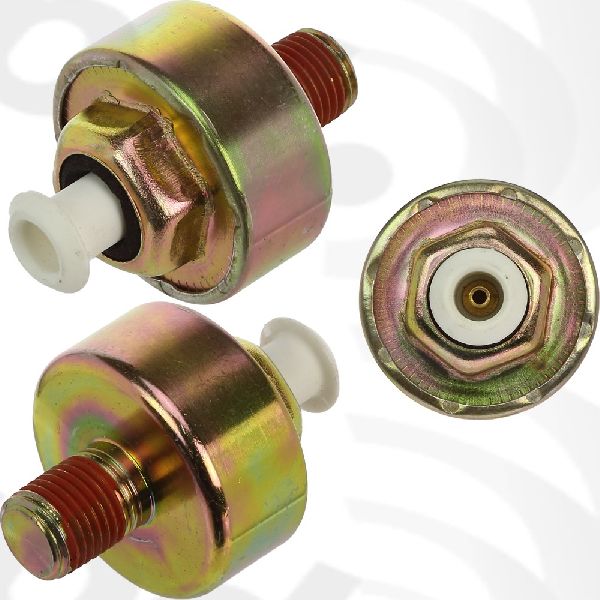
| Standard Aftermarket | Walker Products, Global Parts, True Tech | These brands offer a cost-effective solution. Walker Products, for example, engineers their parts to meet or exceed OE specifications and can be a reliable choice for budget-conscious repairs. |
Common Ordering Mistake
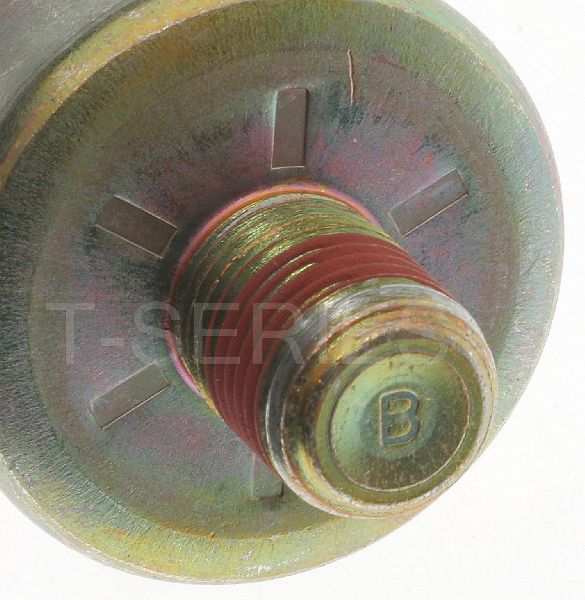
For the OBD1 4.3L V6 engines (pre-1996), there can be two different knock sensors with different thread types. One has a standard bolt thread and the other has a pipe thread. Always verify the specific sensor you are replacing before ordering to ensure you get the correct part.
🎬 Learn more about replacing knock sensors on OBD1 4.3L engines.What to Expect for Replacement Costs
Replacing the knock sensor is a manageable job for a DIYer, but here's a look at the potential costs whether you do it yourself or take it to a shop.
Estimated Cost Breakdown
| Item | Estimated Cost |
|---|---|
| New Aftermarket Part | $42.80 - $73.96 |
| Shop Labor | $87 - $128 |
| Total Shop Estimate | $166 - $219 |
Installation Tip
The knock sensor on the 4.3L V6 is located on the engine block, right next to the distributor. Access is gained by removing the interior engine cover (the "doghouse"). Once accessed, it's a simple one-wire connector and a single bolt to remove. It's crucial to torque 🎬 See a step-by-step guide for replacing your Astro's knock sensor. the new sensor to the correct specification, which is typically 14-15 ft-lbs. Over-tightening or under-tightening the sensor can cause it to read incorrectly.
Frequently Asked Questions
Where is the knock sensor located on a 1992-2000 Chevy Astro?
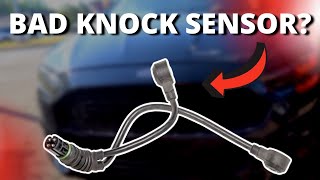
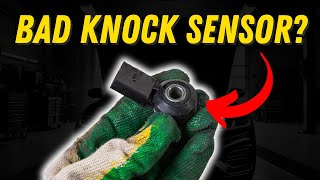
The knock sensor is located on the engine block. On the 4.3L V6, you can find it by removing the interior engine cover and looking next to the distributor. It's a small, cylindrical sensor with a single wire coming out of it.
Can I drive my Astro with a bad knock sensor?
While you can drive the vehicle, it is not recommended for an extended period. A faulty sensor can lead to poor engine performance, bad fuel economy, and in some cases, the computer may not be able to prevent engine-damaging detonation. It's best to get it replaced soon after symptoms appear.
What does the code P0327 mean?
P0327 stands for "Knock Sensor 1 Circuit Low Input." This means the engine's computer has detected that the voltage signal from the knock sensor is below the normal range. This could be caused by a faulty sensor, a wiring problem, or a poor connection.
Do I need to drain the coolant to replace the knock sensor?
On some older models, the knock sensor is threaded into a coolant passage. If this is the case, you will lose some coolant when you remove it. You can minimize the loss by having the new sensor ready to thread in quickly. It's a good idea to check your specific year and have some extra coolant on hand just in case.
Helpful Videos
Technical Specifications
OEM Part Numbers: 10456075
Single blade-type terminal, bolt-on mount, rectangular connector. Note: Pre-1996 models may have two different thread types; verification is necessary.
We Have This Part in Stock


The information in this article is provided for general reference and educational purposes only. Vehicle specifications, procedures, and part compatibility can vary by production date, trim level, and region. Always consult your vehicle's factory service manual and verify part numbers before purchasing or performing repairs. Safety-critical components such as airbags, seat belts, and braking systems should be installed by a qualified professional.
- Chevrolet Astro:
- 🎬 Helpful Videos
- 🛍️ Shop This Part
- Is Your Astro's Knock Sensor Failing?
- Symptoms of a Bad Knock Sensor:
- Choosing the Right Aftermarket Knock Sensor
- Aftermarket Brand Tiers
- Common Ordering Mistake
- What to Expect for Replacement Costs
- Estimated Cost Breakdown
- Installation Tip
- Frequently Asked Questions
- 🎟️ Get 5% Off