

Ford Ranger (1992-2000) Engine Camshaft Position Sensor & Synchronizer Guide
Solve stalling, misfires, and no-start problems by understanding this critical part in your 1992-2000 Ford Ranger.
- On V6 engines, the Camshaft Synchronizer is the common failure point and should be replaced with the sensor as a complete assembly.
- A 'chirping' noise from the back of the engine is a critical warning sign of synchronizer failure and should not be ignored.
- The most common trouble code is P0340, but diagnosis should include checking the synchronizer and wiring, not just replacing the sensor.
- Proper installation requires setting the engine to Top Dead Center and using an alignment tool to position the new synchronizer correctly.
Understanding the Camshaft Sensor in Your Ranger
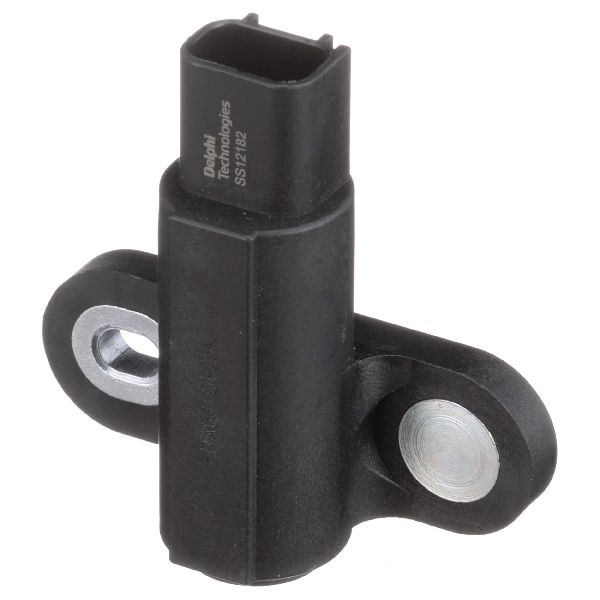
If your 1992-2000 Ford Ranger is stalling, running rough, or won't start, a faulty Engine Camshaft Position Sensor could be the culprit. This sensor is a key part of the ignition and fuel systems. It reads a spinning wheel or flag to know where the camshaft is in its rotation. This information is sent to the engine's computer (PCM) to time the fuel injectors and spark plugs correctly. When the sensor fails, the computer is guessing, which leads to poor engine performance.
The Camshaft Synchronizer: The Real Problem?
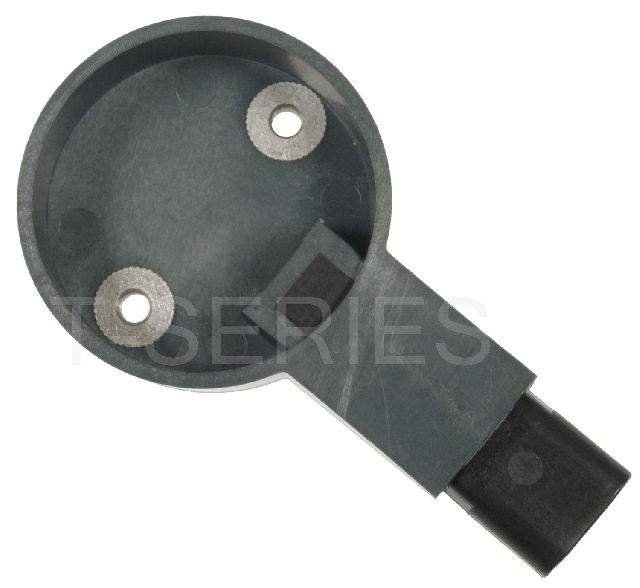
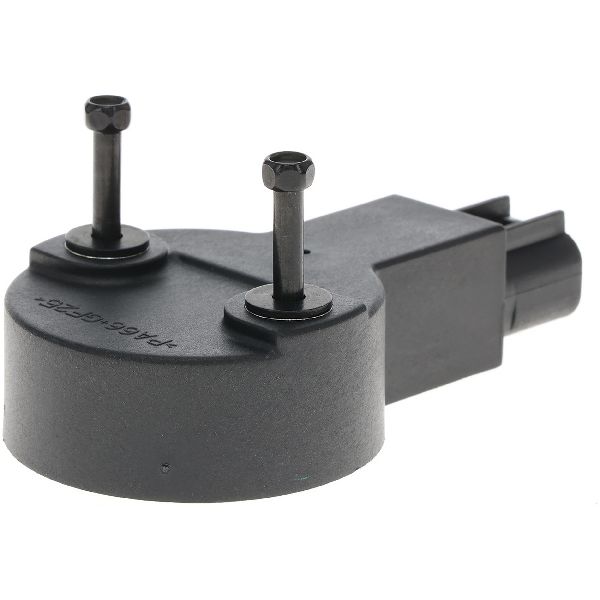
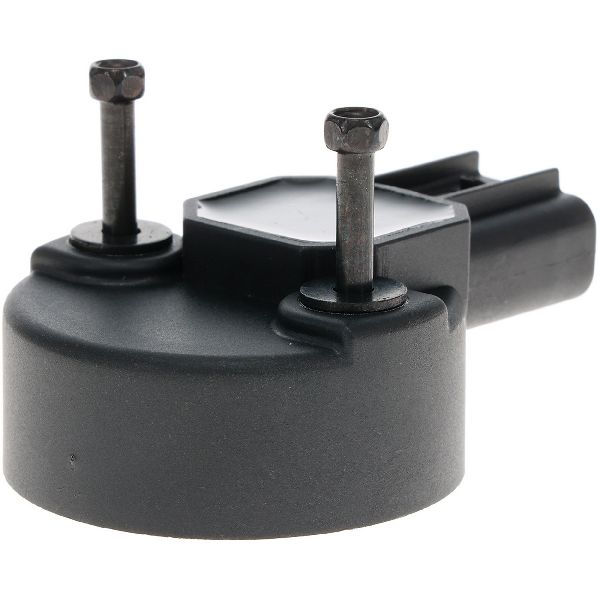
On the 3.0L and 4.0L V6 engines, the camshaft sensor sits on top of a camshaft synchronizer. This part looks like the bottom half of a distributor and is a very common failure point. The internal bushings wear out, causing a high-pitched 'chirp' or 'squeal' that can be mistaken for a bad belt. 🎬 Listen to the specific chirping sound of a failing synchronizer. If you ignore this noise, the synchronizer shaft can wobble and eventually seize. This can shear the gear that drives the oil pump, causing a sudden and catastrophic loss of oil pressure that will destroy your engine. For this reason, it is almost always recommended to replace the entire synchronizer assembly, not just the sensor on top.
Symptoms of a Failing Camshaft Sensor or Synchronizer
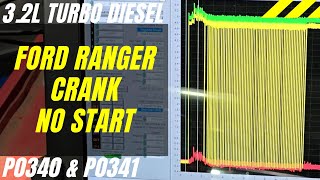
A bad cam sensor or synchronizer will usually give you some warning signs. The most common is the Check Engine Light, often with code P0340. 🎬 Watch a professional diagnosis of P0340 and P0341 trouble codes. You might also experience:
- Engine Stalling: The engine may cut out unexpectedly while driving or idling.
- No Start or Hard Start: The engine cranks but won't fire up, or takes a long time to start.
- Rough Idle and Misfires: The engine shakes, sputters, or runs unevenly.
- Poor Acceleration: The truck feels sluggish and lacks power.
- Chirping or Squealing Noise: A tell-tale sign of a failing synchronizer on V6 models, often heard at idle.
Choosing the Right Aftermarket Part
When it comes to electronic sensors for these trucks, quality matters. While OEM Motorcraft parts are often recommended on forums, some aftermarket brands provide a good balance of quality and value. The key is to avoid the cheapest no-name options, as they have a reputation for failing quickly.
Pro Tip: Many aftermarket brands sell the camshaft synchronizer with a new sensor already installed as a complete kit. This is the best way to buy the part, as it ensures both components are new and saves you from having to do the job twice.
Brand Tiers for Your Ranger
Based on owner feedback and mechanic consensus, here's how the brands generally stack up for this specific part:
- Premium Tier (High Confidence): Delphi, Standard Motor Products (Standard Ignition), and NGK/NTK are often considered OE-quality or very close. They use robust materials and testing processes. If you want to do the job once and have peace of mind, these are solid choices.
- Mid-Tier (Good Value): Dorman is a very common aftermarket brand that offers a complete synchronizer and sensor kit. While some users report success, others have experienced premature failures compared to premium brands. It can be a good budget-friendly option, but be aware of the mixed reviews.
- Economy Tier (Use with Caution): Brands like URO Parts, True Tech, and other lower-priced options may be tempting. However, for a part that can cause a no-start condition or even lead to engine failure, it's generally wise to invest in a more reputable brand.
| Part Type | Estimated Cost |
|---|---|
| New Aftermarket Sensor Only | $17 - $50 |
| New Aftermarket Synchronizer w/ Sensor | $40 - $90 |
| Shop Labor to Replace | $100 - $200 |
Frequently Asked Questions (FAQ)
Can I replace just the sensor and not the whole synchronizer?
On V6 models, you can, but it's not recommended. The sensor is usually replaced because the underlying synchronizer is failing (making noise or causing timing issues). Replacing only the sensor is often a temporary fix, and you risk engine damage if the synchronizer fails completely. For 4-cylinder engines that do not use a synchronizer, you only need to replace the sensor itself.
Is replacing the camshaft synchronizer a DIY job?
Yes, for a mechanically inclined DIYer. The process involves setting the engine to Top Dead Center (TDC) for cylinder #1, marking the position of the old synchronizer, and installing the new one in the exact same orientation. Many replacement synchronizers come with a plastic alignment tool to help with installation. Failure to align it correctly will result in poor performance and a check engine light. The location at the back of the engine can be tight to work in.
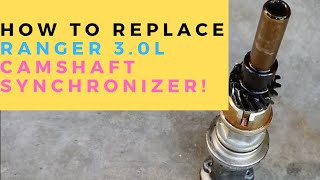
🎬 See this step-by-step walkthrough for replacing the synchronizer yourself.What is the most common trouble code for a bad cam sensor?
The most common code is P0340, which indicates a malfunction in the camshaft position sensor circuit. This code doesn't automatically mean the sensor is bad; it could also be a wiring issue or a problem with the synchronizer itself.
My truck has a squeak. How do I know if it's the synchronizer or a belt?
A good test is to temporarily remove the serpentine belt and start the engine for a few seconds. If the squeak is gone, the problem is with a belt-driven accessory (like a tensioner or idler pulley). If the squeak is still there with the belt off, the camshaft synchronizer is the most likely cause.
Helpful Videos
Technical Specifications
OEM Part Numbers: F37Z-12A362-A F5TZ-12A362-A F3TZ-12K073-A
For V6 models (3.0L, 4.0L), the part is a Camshaft Synchronizer Assembly which includes the sensor. For 4-cylinder models (2.3L, 2.5L), it is a standalone sensor. The V6 synchronizer is located at the rear of the engine block, where a distributor would traditionally be.
We Have This Part in Stock


The information in this article is provided for general reference and educational purposes only. Vehicle specifications, procedures, and part compatibility can vary by production date, trim level, and region. Always consult your vehicle's factory service manual and verify part numbers before purchasing or performing repairs. Safety-critical components such as airbags, seat belts, and braking systems should be installed by a qualified professional.
- Ford Ranger: