

Ford Ranger Power Steering Pump: A Guide for 1992-2000 Models
If your Ranger is whining when you turn, it might be time for a new power steering pump.
- A loud whining noise and stiff steering are the most common signs of failure.
- You MUST use Automatic Transmission Fluid (ATF), not standard power steering fluid.
- A special pulley puller/installer tool is required for the replacement; the pulley must be swapped from the old pump to the new one.
- Aftermarket quality can be inconsistent; a new (not remanufactured) part is generally a better choice if available.
Symptoms of a Failing Power Steering Pump
A bad power steering pump on a 1992-2000 Ford Ranger will give you clear warning signs. The most common is a loud whining or groaning noise that gets louder when you turn the steering wheel. It's important to know that many Ford pumps from this era are known to have a slight whine even when they are working correctly. However, a failing pump's noise will be much louder and is often joined by other symptoms.
- Loud Whining or Groaning: A constant whine from the engine bay that changes pitch as you turn the wheel is the number one sign.
- Stiff Steering: The steering wheel becomes very difficult to turn, especially at low speeds. This means the pump is no longer providing hydraulic assistance.
- Fluid Leaks: You may see puddles of reddish fluid under the front of your truck. Leaks can come from the pump body itself, the attached reservoir, or the connecting hoses.
- Squealing Noises: A sharp squeal, especially on startup, could mean the pump's pulley is starting to seize, causing the serpentine belt to slip.
Choosing the Right Aftermarket Pump
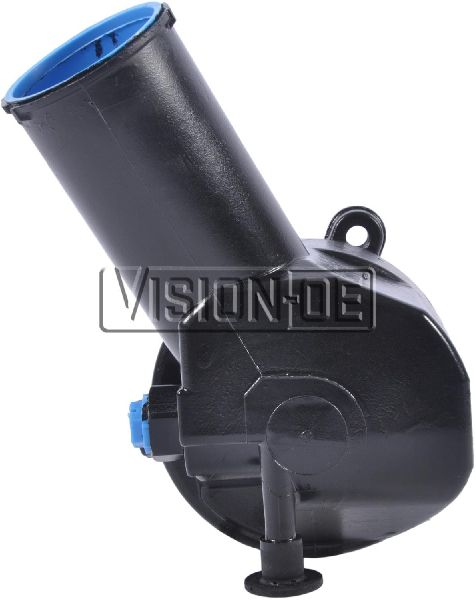
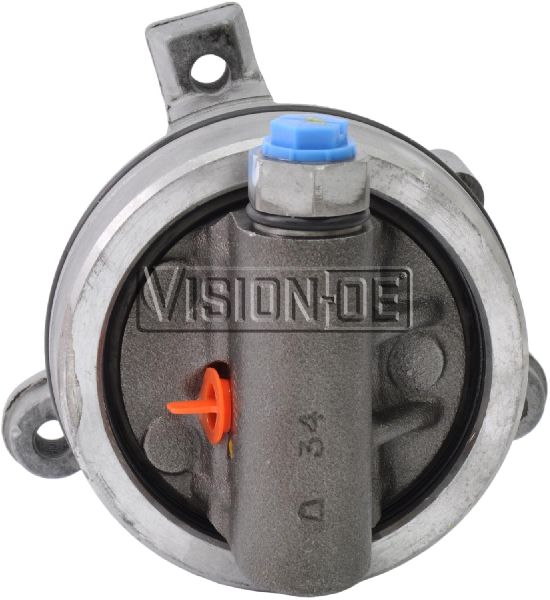
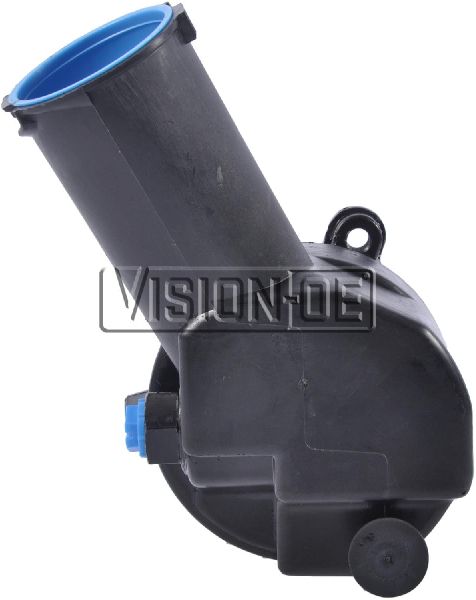
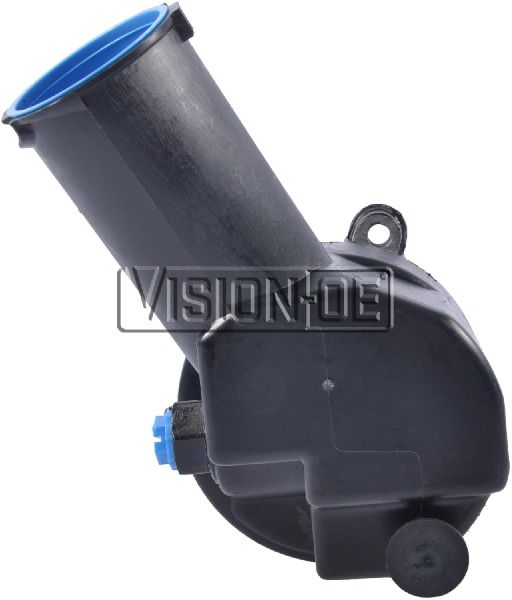
When replacing the power steering pump on an older truck like the Ranger, you'll mostly find aftermarket options. The original Ford (Motorcraft) parts are often expensive or hard to find new. The two main aftermarket brands you will likely see are Cardone and BBB Industries.
New vs. Remanufactured: A Word of Caution
Many aftermarket pumps are "remanufactured," meaning an old pump has been rebuilt. Forum users and mechanics often report mixed results with remanufactured pumps from any brand, with some failing shortly after installation. If your budget allows, choosing a brand new unit over a remanufactured one is often a safer bet for long-term reliability.
Owner experiences with aftermarket brands are varied. Cardone often receives negative reviews in forums, with some owners needing to replace the part more than once. There is less feedback available for BBB Industries, but the general advice from experienced owners is to be cautious with remanufactured parts regardless of the brand. When making your choice, consider the warranty offered by the manufacturer.
Cost to Replace a Ford Ranger Power Steering Pump
The cost depends on whether you do the work yourself or take it to a shop. The part itself is affordable, but labor can add up.
| Part/Service | Estimated Cost |
|---|---|
| New Aftermarket Pump | $81 - $103 |
| Shop Labor | $159 - $242 |
| Total (Professional Installation) 🎬 Watch this step-by-step guide to replace the pump yourself. | $337 - $411 |
Pro Tip: You Need a Special Tool
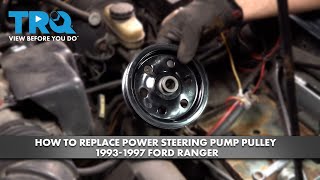
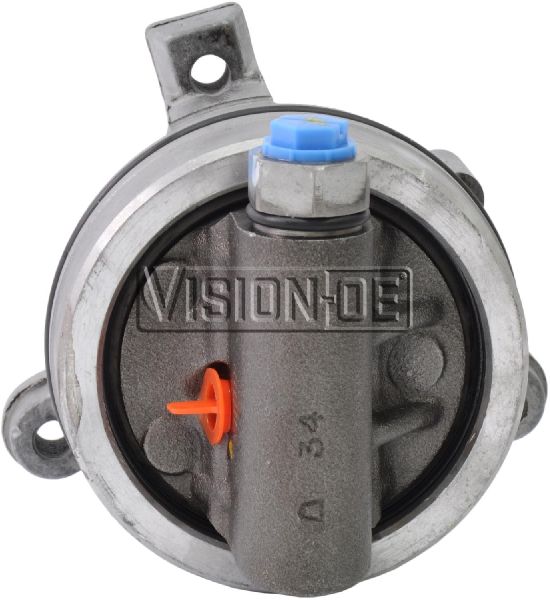
The power steering pump pulley is pressed onto the pump's shaft and does not come with the new pump. You must remove the old pulley and install it on the new unit. This requires a specific power steering pulley puller/installer tool. Most auto parts stores offer these as a free loaner tool with a deposit.
🎬 See how to use the special tool to swap pulleys.Frequently Asked Questions (FAQ)
What kind of fluid does a 1992-2000 Ranger power steering pump use?
These Ford Ranger models do not use standard power steering fluid. They require Automatic Transmission Fluid (ATF), specifically MERCON type fluid. Using the wrong fluid can damage the system.
Are there any recalls for the 1992-2000 Ranger power steering pump?
No. Searches of the National Highway Traffic Safety Administration (NHTSA) database did not find any recalls or widespread safety campaigns for power steering pump failure on the 1992-2000 Ford Ranger. Recalls for other Ford models typically involve newer vehicles with different electronic steering systems.
My new pump is still whining. Is it bad?
Not necessarily. These Ford pumps are known for being noisy, even when brand new. As long as you have proper steering assist and no leaks, a slight whine is often considered normal for these trucks. Ensure the system has been properly bled of all air, as trapped air is a major cause of noise after replacement.
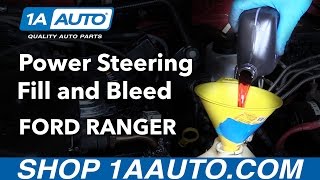
🎬 Learn how to properly fill and bleed your steering system.Do I have to replace the pulley?
No, you typically reuse the original pulley. New pumps do not include a pulley. You will need to transfer the pulley from the old pump to the new one using a special puller/installer tool.
Helpful Videos
Technical Specifications
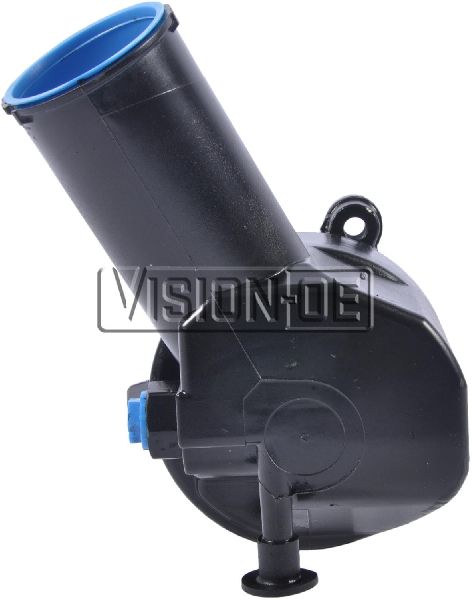
OEM Part Numbers: F1ZZ-3A674-BBRM XL5Z-3A674-AA
System requires MERCON Automatic Transmission Fluid (ATF). Pulley is press-fit and must be transferred from the old unit. No recalls or major TSBs are on file for this specific part and year range.
We Have This Part in Stock

The information in this article is provided for general reference and educational purposes only. Vehicle specifications, procedures, and part compatibility can vary by production date, trim level, and region. Always consult your vehicle's factory service manual and verify part numbers before purchasing or performing repairs. Safety-critical components such as airbags, seat belts, and braking systems should be installed by a qualified professional.
- Ford Ranger: