

GMC C3500 Engine Intake Manifold Gasket Guide (1992-2000)
Leaking coolant or oil? Your intake manifold gasket is the likely cause on these trucks.
- The original plastic-frame intake gaskets on 1996-2000 Vortec V8s are a known failure point; expect to replace them.
- Choose an upgraded aftermarket gasket set with a steel or aluminum frame, like the Fel-Pro MS 98000 T, for a permanent solution.
- If your engine oil looks milky, stop driving immediately to prevent catastrophic engine damage.
- This is a labor-intensive job; consider replacing other 'while-you-are-in-there' parts like the distributor cap/rotor and thermostat.
A Known Issue on an Otherwise Tough Truck
The gasoline V8 engines in the 1992-2000 GMC C3500, especially the 5.0L and 5.7L Vortec engines (1996-2000), are known for one specific, common failure: the intake manifold gasket. The original factory gaskets use a plastic carrier frame to hold the rubber seals in place. Over thousands of heat cycles, this plastic becomes brittle and breaks down, allowing coolant to leak. This is not a question of if, but when, this part will fail. The good news is that modern aftermarket replacements have permanently solved this problem.
The Problem with Original Gaskets
The original GM intake gaskets from this era are notorious for failing. The plastic frame cracks, causing coolant leaks, vacuum leaks, and potential engine damage. If you are replacing a failed original gasket, you should not use another OEM-style plastic gasket. Upgrading to an aftermarket set with a metal carrier is the best choice for a long-lasting repair.
Symptoms of a Failing Intake Gasket
If your C3500's intake gasket is failing, you'll notice some clear signs. Because the gasket seals both coolant and the air/fuel intake path, symptoms can vary.
- Coolant Leaks: This is the most common symptom. You may see puddles of coolant under the front of the engine or notice a sweet smell of antifreeze after a drive. The leak often occurs at the front or rear corners of the intake manifold.
- Engine Overheating: A significant coolant leak will cause the engine to run low on coolant, leading to overheating. This can cause serious engine damage if not addressed.
- Rough Idle or Misfires: If the gasket fails on the intake port side, it can create a vacuum leak. This throws off the air-fuel ratio, causing the engine to run rough, misfire, or stall. You might hear a hissing sound from the engine bay.
- Milky Engine Oil: This is a critical symptom. It means the gasket has failed internally, allowing coolant to mix with your engine oil. The oil on the dipstick will look like chocolate milk. If you see this, do not drive the vehicle.
Choosing the Right Aftermarket Gasket Set
You have several brands to choose from, but they are not all created equal. For this specific repair, the design is more important than the brand name alone.
Tier 1: Problem-Solver Gaskets
Fel-Pro: The Fel-Pro MS 98000 T is widely considered the go-to permanent fix for this issue. It replaces the failure-prone plastic carrier with a rigid, aluminized steel one. This design prevents the gasket from crushing or cracking and provides a much more reliable seal that resists heat and modern fuels. Mechanics and experienced owners almost exclusively recommend this upgraded design.
Tier 2: OE-Style Replacements
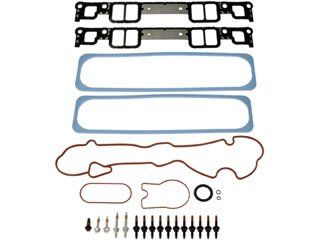
Dorman, Victor Gaskets (Reinz): These brands offer quality replacement parts. Some may offer updated designs similar to Fel-Pro, while others might be closer to the original equipment (OE) style. If choosing one of these brands, be sure to select a kit that explicitly mentions a steel or metal core/carrier for the best results. An OE-style plastic gasket, even from a quality brand, will likely fail again in the future.
Tier 3: Budget-Friendly Options
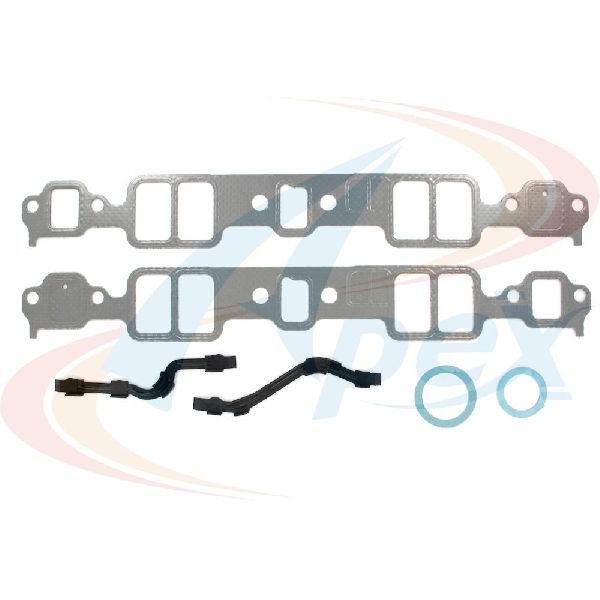
Apex, Cometic Gasket: These brands can provide a functional seal and may be the most affordable. Cometic is known for performance and custom applications, so they may offer different materials or thicknesses. For a daily-driven work truck, however, the proven reliability of a steel-core gasket from a brand like Fel-Pro is a safer investment.
Pro Tip: What Else to Replace
Since this job requires significant disassembly, it's smart to replace a few other items while you have access. Consider replacing the distributor cap and rotor, thermostat, and any brittle vacuum lines or heater hoses. The bolts for the intake manifold are often single-use and should be replaced with a new set.
Cost to Replace Intake Manifold Gaskets on a 1992-2000 GMC C3500
| Part Type | Estimated Cost |
|---|---|
| New Aftermarket Gasket Set | $21.79 - $123.27 |
| Shop Labor | $450 - $750 |
| Total Professional Repair | $475 - $875+ |
Note: Costs are estimates and can vary based on your location, the specific engine in your truck, and the hourly rate of the repair shop.
Frequently Asked Questions
Is the Fel-Pro steel gasket really that much better?
Yes. The original plastic design is fundamentally flawed. The constant expansion and contraction of the engine cracks the plastic, leading to leaks. The Fel-Pro steel carrier gasket was specifically engineered to solve this common GM problem by providing a rigid, stable platform that won't break down from heat or exposure to coolant and oil.
Do I have to replace the intake manifold bolts?
It is highly recommended. The original bolts on Vortec engines are often torque-to-yield, meaning they are designed to be tightened once and then replaced. Reusing them can lead to improper torque and a failed seal. Given the amount of labor involved, using new bolts is cheap insurance.
Can I do this job myself?
For an experienced DIY mechanic, this job is very achievable. It requires draining the coolant, removing the throttle body, fuel lines, distributor, and several other components. It is a time-consuming process (expect 5-8 hours) that requires careful attention to detail, especially when cleaning the gasket surfaces and following the correct torque sequence for the new bolts. If you are not comfortable with this level of disassembly, it is best to leave it to a professional.
My leak is small. Can I use a stop-leak additive?
Using a stop-leak product is not recommended. While it might offer a temporary patch, it can also clog up your radiator, heater core, and small coolant passages, creating much bigger and more expensive problems down the road. The only correct fix is to replace the faulty gasket.
Technical Specifications
OEM Part Numbers: 89017465
The key difference in aftermarket gaskets is the carrier material. The original design uses a plastic carrier that becomes brittle. Upgraded designs use a steel or aluminum carrier for durability and longevity.
We Have This Part in Stock


The information in this article is provided for general reference and educational purposes only. Vehicle specifications, procedures, and part compatibility can vary by production date, trim level, and region. Always consult your vehicle's factory service manual and verify part numbers before purchasing or performing repairs. Safety-critical components such as airbags, seat belts, and braking systems should be installed by a qualified professional.
- GMC C3500:
- 🛍️ Shop This Part
- A Known Issue on an Otherwise Tough Truck
- The Problem with Original Gaskets
- Symptoms of a Failing Intake Gasket
- Choosing the Right Aftermarket Gasket Set
- Tier 1: Problem-Solver Gaskets
- Tier 2: OE-Style Replacements
- Tier 3: Budget-Friendly Options
- Pro Tip: What Else to Replace
- Cost to Replace Intake Manifold Gaskets on a 1992-2000 GMC C3500
- Frequently Asked Questions
- 🎟️ Get 5% Off