

Honda Civic Manifold Absolute Pressure (MAP) Sensor Guide (1992-2000)
Experiencing rough idle, poor gas mileage, or a check engine light? Your MAP sensor might be the culprit.
- A bad MAP sensor on a 1992-2000 Civic commonly causes a check engine light with codes P0107 or P0108, rough idle, and poor gas mileage.
- Always check for cracked vacuum hoses or intake leaks before replacing the sensor, as they can cause identical symptoms.
- Replacement is extremely easy for a DIYer, taking about 15 minutes with basic tools. The sensor is on top of the throttle body.
- For a stock engine, choose a quality aftermarket brand like Delphi, NGK, or Standard Ignition for a reliable repair without the high OEM price.
Is Your Civic's MAP Sensor Failing?

A bad MAP sensor can make your reliable Honda Civic run poorly. Because this sensor directly affects the air-fuel mixture, a failure can cause a range of problems from annoying to serious. Often, the first sign is the check engine light turning on. For 1996-2000 Civics, you might see trouble codes like P0107 (sensor voltage too low) or P0108 (sensor voltage too high). Pre-1996 models will flash a code via the check engine light, with Code 3 or 5 often pointing to the MAP sensor.
Symptoms of a Bad MAP Sensor


- Rough Idle: The engine may shake or sound uneven when stopped.
- Poor Fuel Economy: If the sensor incorrectly tells the ECU the engine is under high load, it will inject too much fuel.
- Hesitation or Lack of Power: The car may feel sluggish when you press the gas pedal because the ECU isn't providing the right amount of fuel for acceleration.
- Black Smoke from Exhaust: This is a sign of a rich fuel mixture (too much fuel, not enough air), which can be caused by a faulty MAP sensor reading.
- Failed Emissions Test: An incorrect air-fuel ratio will increase harmful emissions.
Check for Vacuum Leaks First!
Before you replace the MAP sensor, it's critical to check for vacuum leaks. A cracked or disconnected vacuum hose can cause the same symptoms and trigger the same error codes as a bad sensor. A simple visual inspection of all the hoses connected to the intake manifold can save you from buying a part you don't need.
Choosing the Right Aftermarket MAP Sensor

For a 1992-2000 Civic, you have several good aftermarket options. While a genuine Honda OEM sensor (often made by Denso) is always a safe bet, quality aftermarket brands can offer similar performance for less money. Some owners have reported that very cheap, unbranded aftermarket sensors can fail quickly, sometimes within a week.
Brand Tiers for Your Honda Civic
- Premium Aftermarket (High-Quality Replacements): Brands like Delphi, NGK/NTK, and Standard Ignition (SMP) are well-regarded in the industry. They often manufacture parts for automakers and design their sensors to meet or exceed original specifications. These are excellent choices for a daily driver where reliability is key.
- Performance (For Modified Engines): If your Civic is turbocharged or has significant engine modifications, a stock replacement sensor may not work correctly. Skunk2 Racing offers 3-bar and 4-bar MAP sensors that can read boost pressure, which is necessary for a tuned, forced-induction engine. Using a performance sensor on a stock engine will cause it to run poorly and is not recommended.
- Standard/Value (Budget-Friendly): Brands like Spectra, Facet, Global Parts, and True Tech offer more affordable options. These can be a good choice for a budget repair, but quality can be inconsistent. Given the low cost of even premium aftermarket sensors for this car, it's often worth spending a little more for a brand with a stronger reputation.
Easy DIY Replacement
Replacing the MAP sensor on a 1992-2000 Civic is one of the easiest repairs you can do. It's located directly on top of the throttle body, held in place by two small screws. The job requires only basic hand tools and takes about 15 minutes. Simply disconnect the electrical plug, remove the two screws, swap the old sensor for the new one (make sure the new O-ring is in place), and reconnect everything.
Cost of Replacing a MAP Sensor (1992-2000 Honda Civic)
| Part Type | Estimated Cost |
|---|---|
| New Aftermarket | $49.34 - $99.11 |
| New OEM (Honda/Denso) | $150 - $250+ |
| Used OEM | $25 - $50 |
| Shop Labor | $50 - $100 |
Frequently Asked Questions
Where is the MAP sensor located on my 1992-2000 Civic?
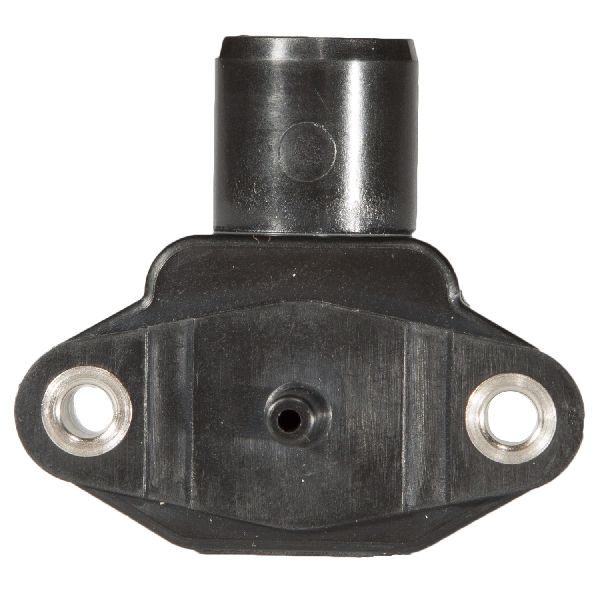
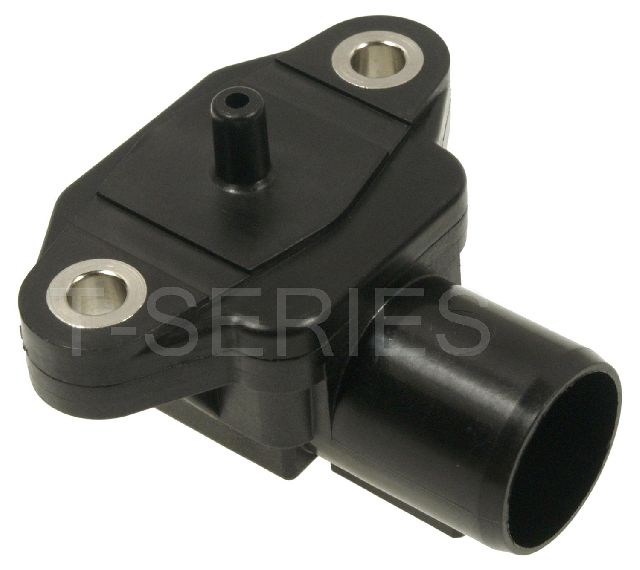
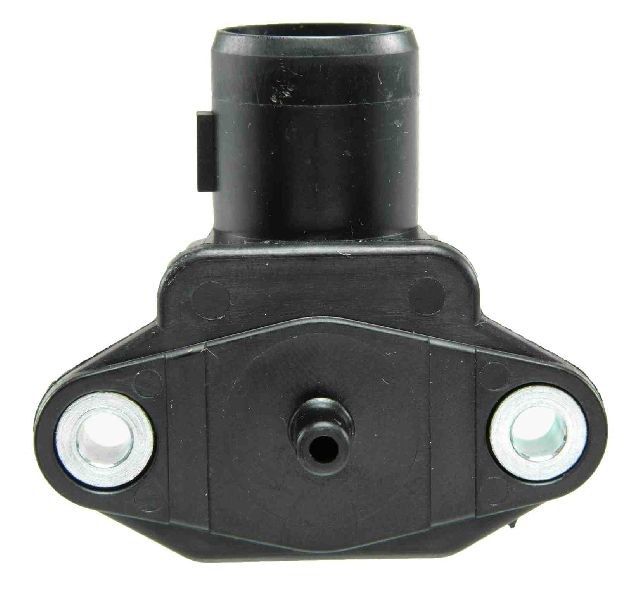
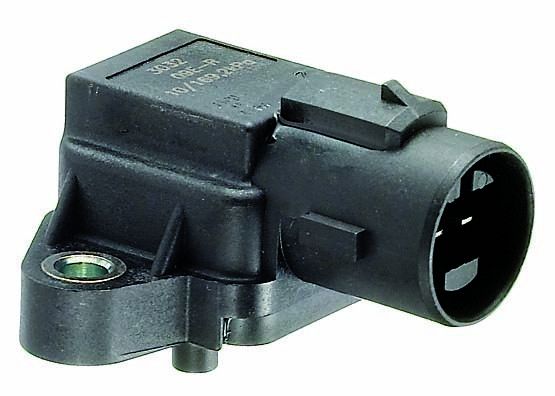
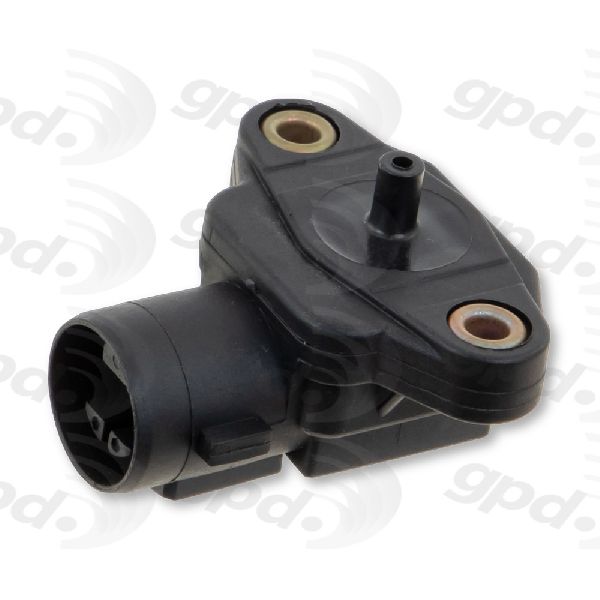
The MAP sensor is located on top of the throttle body. It's a small black plastic sensor with a gray electrical connector, held on by two Phillips or 8mm screws.
Can I clean my MAP sensor?
While some people try cleaning the sensor port, it's generally not effective. The failure is usually electronic inside the sealed unit. If the sensor is contaminated with oil, it's better to find the source of the oil (like a bad PCV valve) and replace the sensor.
Do I need to reset the ECU after replacing the MAP sensor?
Yes, it's a good practice. After replacing the sensor, you can clear the check engine light with a scan tool. Alternatively, you can disconnect the car's battery for about 10 minutes to reset the ECU. This allows the computer to relearn its fuel strategy with the new, correct sensor data.
What's the difference between a stock MAP sensor and a Skunk2 performance sensor?
A stock MAP sensor is designed to read vacuum in a naturally aspirated engine. A performance sensor from a brand like Skunk2 is a 3-bar or 4-bar sensor designed to read positive pressure (boost) from a turbocharger or supercharger. You must use the correct type for your engine setup.
Helpful Videos
![[D16Y8 Fixing Idle Issue] How to Test MAP and TPS Sensors](https://img.youtube.com/vi/SMxElrYnnms/mqdefault.jpg)


Technical Specifications
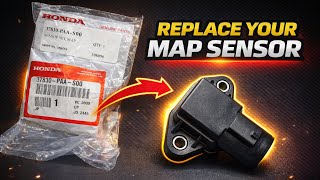
OEM Part Numbers: 37830-PAA-S00 37830-P05-A01 37830-P0G-S00 079800-4250 079800-3280 TN079800-3280
Location: Throttle Body Mounted. Connector: 3-Pin Oval. Type: 1-Bar (for naturally aspirated engines).
We Have This Part in Stock


The information in this article is provided for general reference and educational purposes only. Vehicle specifications, procedures, and part compatibility can vary by production date, trim level, and region. Always consult your vehicle's factory service manual and verify part numbers before purchasing or performing repairs. Safety-critical components such as airbags, seat belts, and braking systems should be installed by a qualified professional.
- Honda Civic:
- 🎬 Helpful Videos
- 🛍️ Shop This Part
- Is Your Civic's MAP Sensor Failing?
- Symptoms of a Bad MAP Sensor
- Check for Vacuum Leaks First!
- Choosing the Right Aftermarket MAP Sensor
- Brand Tiers for Your Honda Civic
- Easy DIY Replacement
- Cost of Replacing a MAP Sensor (1992-2000 Honda Civic)
- Frequently Asked Questions
- 🎟️ Get 5% Off