

Hyundai Elantra 1992-2000 Oxygen Sensor: A Mechanic's Guide
Everything you need to know about replacing the oxygen sensors on your first or second-generation Hyundai Elantra.
- A bad oxygen sensor will cause a Check Engine Light, poor gas mileage, and rough running.
- Do not ignore a failing sensor, as it can lead to damage of the expensive catalytic converter.
- Choose a direct-fit aftermarket sensor from a top-tier brand like Denso, Bosch, or NGK/NTK for OEM-like performance.
- Replacement is a manageable DIY job for most home mechanics with the correct O2 sensor socket.
Is My Oxygen Sensor Failing?
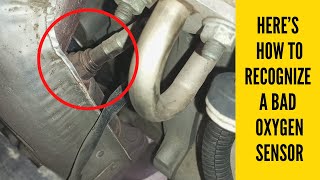
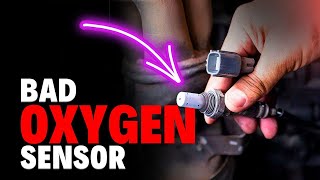
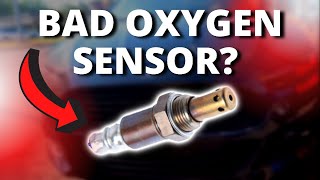
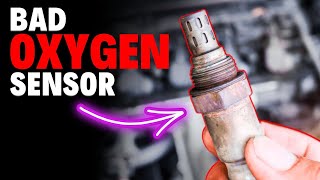
Oxygen sensors don't last forever. Contaminants from oil and coolant can cause them to fail over time. When an O2 sensor starts to go bad, it sends incorrect information to your car's computer. This can cause a variety of noticeable problems. The most obvious sign is the Check Engine Light on your dashboard. You might also notice your car is using more gas than usual, idles roughly, or hesitates when you accelerate. 🎬 Watch: 6 common symptoms of a failing oxygen sensor In some cases, you might smell a 'rotten egg' odor from the exhaust, which is a sign of an inefficient catalytic converter, often caused by a bad O2 sensor.
Don't Ignore a Bad O2 Sensor
While you can drive with a failing oxygen sensor, it's not a good idea. Continuing to drive will cause poor fuel economy and can lead to more expensive damage. A bad sensor can cause your engine to run too rich, which can overheat and destroy your catalytic converter—a much more costly repair.
Choosing the Right Aftermarket Oxygen Sensor
When it comes to sensors that manage your engine, quality matters. For the 1992-2000 Elantra, you don't need to buy the part from a Hyundai dealer to get reliable performance. Several aftermarket brands are known for making the original equipment (OE) parts for Hyundai and other automakers.
Brand Quality Tiers
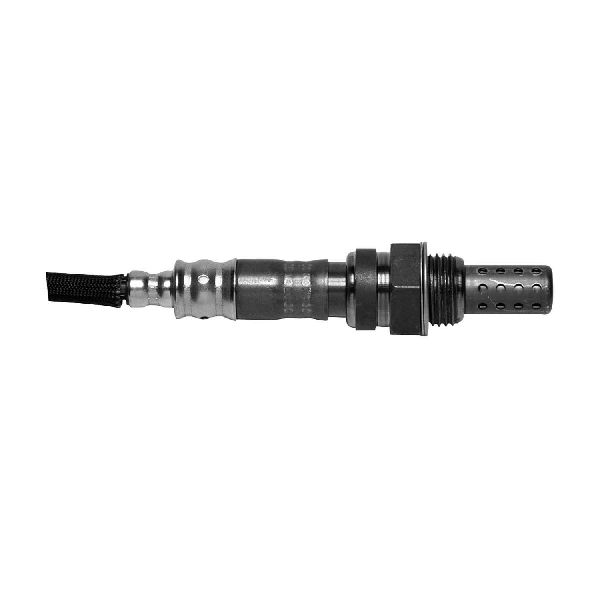
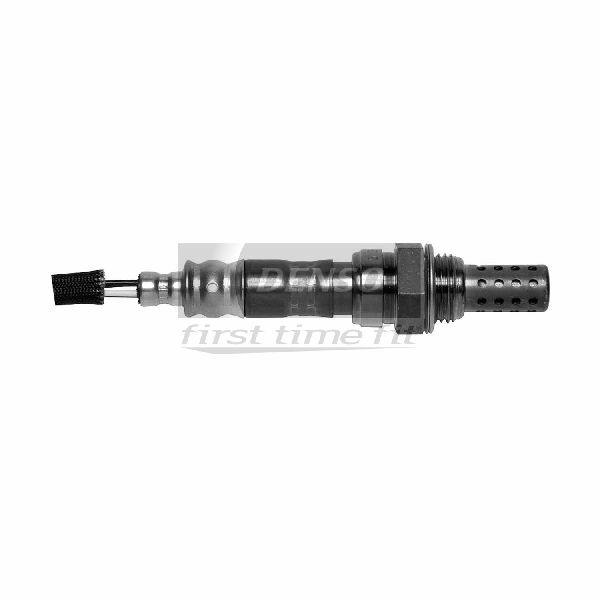
- Top Tier (OEM-Equivalent): Brands like Denso, Bosch, and NGK (NTK) are excellent choices. Denso and NGK are major suppliers of original parts for many Asian vehicles and are often considered the best option for a direct-fit replacement that performs like the original. Bosch is credited with inventing the modern oxygen sensor and is a trusted worldwide brand.
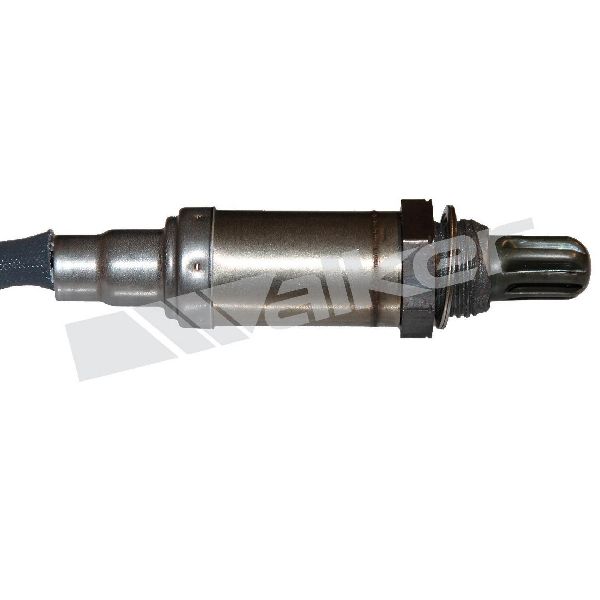
- Mid-Grade (Reputable Aftermarket): Brands like Delphi, Walker Products, and Spectra offer a good balance of quality and price. They are reliable and will restore your vehicle's performance, often with a solid warranty.
- Economy (Budget-Friendly): Brands like DriveWire fall into the budget category. While they are the most affordable, their lifespan and performance might not match the higher-tier brands. They can be a solution if budget is the primary concern, but be aware you may be replacing it again sooner.
Pro Tip: Direct-Fit vs. Universal
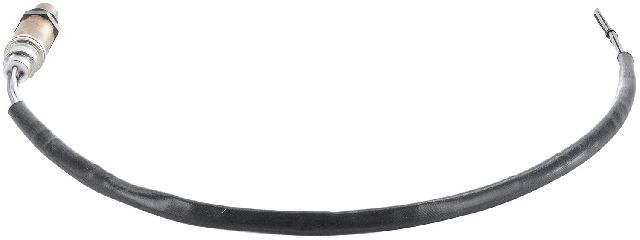
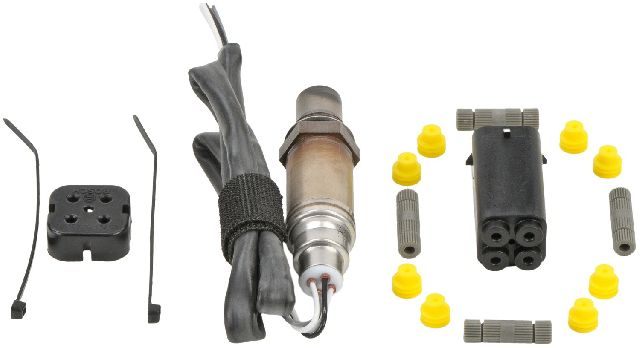
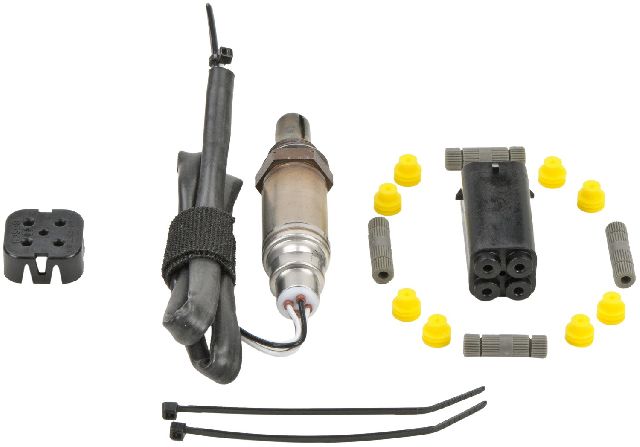
Always choose a 'direct-fit' sensor. These come with the correct electrical connector for your Elantra, so you can just plug it in. 'Universal' sensors are cheaper but require you to cut and splice wires, which can lead to connection problems down the road.
Cost of Replacing an Oxygen Sensor
The cost depends on the brand you choose and whether you do the work yourself. The job is straightforward for a DIYer with the right tools. A special socket called an 'oxygen sensor socket' is needed to work around the sensor's wire.
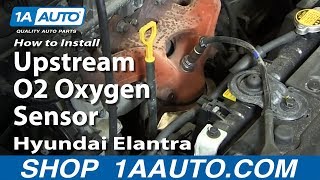
🎬 See this walkthrough on replacing an upstream oxygen sensor| Item | Estimated Cost |
|---|---|
| Aftermarket Oxygen Sensor Part | $25 - $142 |
| Shop Labor | $50 - $100 |
| Total Professional Replacement | $75 - $242 |
Frequently Asked Questions
How many oxygen sensors does my 1992-2000 Elantra have?
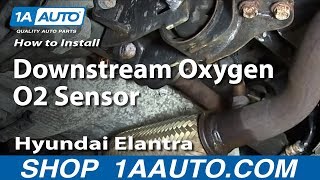
Most Elantras in this year range will have two sensors: one upstream (before the catalytic converter) and one downstream (after the catalytic converter). The upstream sensor is the primary one for controlling the air-fuel mixture, while the downstream sensor monitors the health of the catalytic converter. Some early models (1992-1995) may only have one upstream sensor.
What are common trouble codes for a bad oxygen sensor?
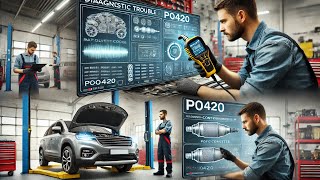
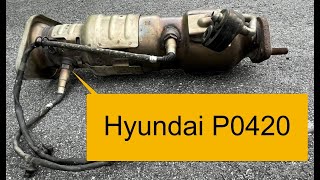
Common diagnostic trouble codes (DTCs) include P0131 (O2 Sensor Circuit Low Voltage Bank 1 Sensor 1), P0171 (System Too Lean), and P0420 (Catalyst System Efficiency Below Threshold). 🎬 Learn how to diagnose and fix a P0420 trouble code The code will help you identify which sensor is failing (upstream or downstream).
Should I replace both sensors at the same time?
It's not strictly necessary, but it is often recommended. Oxygen sensors age and degrade over time. If one has failed, the other may not be far behind. Replacing them in pairs ensures the engine management system gets accurate readings from both, maintaining optimal performance.
Are there any recalls for my Elantra's oxygen sensor?
No. There are no specific safety recalls issued by the NHTSA for oxygen sensors on the 1992-2000 Hyundai Elantra. Any recalls you may find for the Elantra are for much newer models and different components.
Helpful Videos

Technical Specifications
Number of sensors varies by year and model (typically one upstream and one downstream). Always verify the part fits your specific year and engine size before purchasing. Direct-fit connectors are highly recommended.
We Have This Part in Stock

The information in this article is provided for general reference and educational purposes only. Vehicle specifications, procedures, and part compatibility can vary by production date, trim level, and region. Always consult your vehicle's factory service manual and verify part numbers before purchasing or performing repairs. Safety-critical components such as airbags, seat belts, and braking systems should be installed by a qualified professional.
- Hyundai Elantra: