

Lexus SC300 Oxygen Sensor Replacement Guide (1992-2000)
Restore your SC300's fuel economy and performance by choosing the right oxygen sensor.
- Denso is the OEM-equivalent brand and the most recommended choice for reliability and fit.
- Verify if your SC300 is OBD1 (1992-1995) or OBD2 (1996-2000) to buy the correct number and type of sensors.
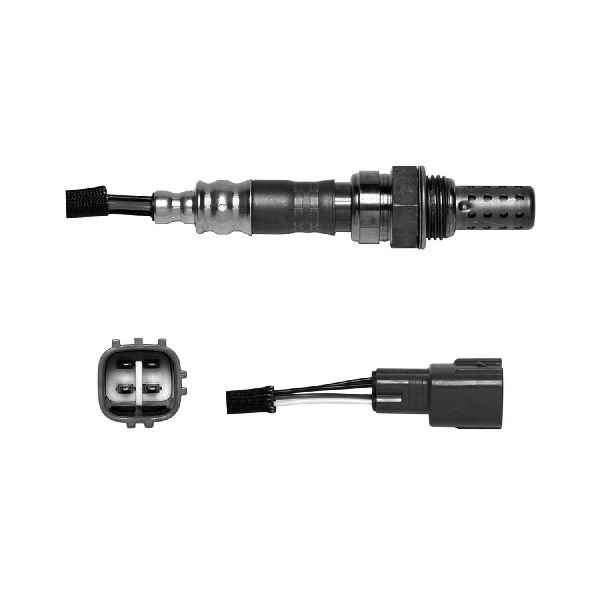
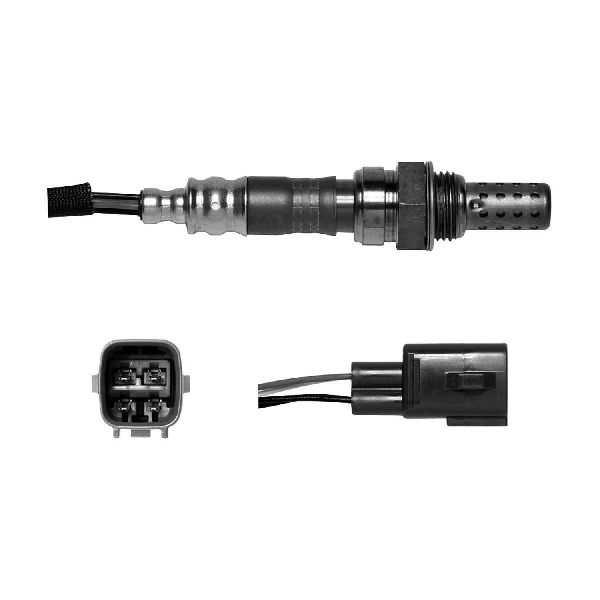
- Always choose a 'direct-fit' sensor with the correct plug to avoid wiring issues.
- Ignoring a bad O2 sensor can lead to poor performance, bad fuel economy, and eventual damage to the catalytic converter.
Symptoms of a Failing Oxygen Sensor
When an oxygen sensor on your SC300 starts to fail, it can't send accurate information to the engine's computer. This can cause several noticeable problems. The most common sign is the Check Engine Light illuminating on your dashboard. You might also experience poor fuel economy, a rough idle, or hesitation during acceleration. In some cases, you may smell a 'rotten egg' or sulfur-like odor from the exhaust, or even see black smoke. Ignoring a bad oxygen sensor for too long can lead to more expensive repairs, including damage to your catalytic converter.
OBD1 vs. OBD2: A Critical Difference
The 1992-2000 SC300 production run covers two different diagnostic systems. It is crucial to know which system your car has before buying parts.
- 1992-1995 models are OBD1 (On-Board Diagnostics I). These cars typically have fewer oxygen sensors, often just one or two located before the catalytic converter (upstream).
- 1996-2000 models are OBD2 (On-Board Diagnostics II). These cars have a more complex system, usually with four oxygen sensors: two upstream (before the catalytic converters) and two downstream (after the catalytic converters).
Choosing the Right Aftermarket Oxygen Sensor
Not all aftermarket sensors are created equal. For a sensitive component like an oxygen sensor, quality matters. Using a poor-quality sensor can result in continued performance issues or a persistent Check Engine Light. Based on owner feedback and OEM supply chains, brands can be grouped into tiers.
Tier 1: OEM and OE-Equivalent
Denso and NGK (NTK) are the top choices for your Lexus. Denso was the Original Equipment Manufacturer (OEM) for many Toyota and Lexus parts, including oxygen sensors. Choosing a Denso direct-fit sensor is the closest you can get to buying the original part from the Lexus dealer. NGK (under their NTK brand) is another highly respected Japanese manufacturer that produces sensors meeting or exceeding OEM specifications. For reliability and guaranteed compatibility, these are your best options.
Tier 2: Reputable Aftermarket Brands
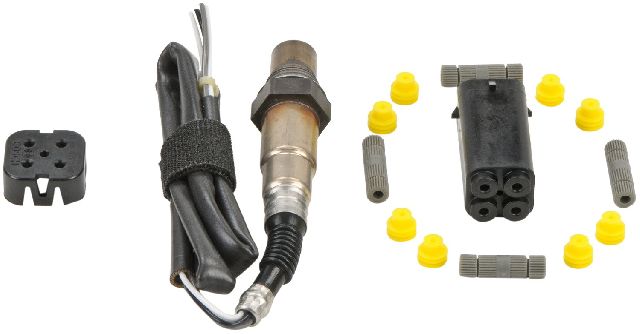
Brands like Bosch and Delphi fall into this category. Bosch is a massive German parts manufacturer that invented the automotive oxygen sensor. While they are a high-quality OEM supplier for many European cars, their performance on Japanese vehicles like Lexus can sometimes be inconsistent according to owner forums. However, many owners use them without issue. Delphi is another major OE supplier with a reputation for quality parts. These brands can be a good alternative if Denso or NGK are not available.
Tier 3: Budget-Friendly Options
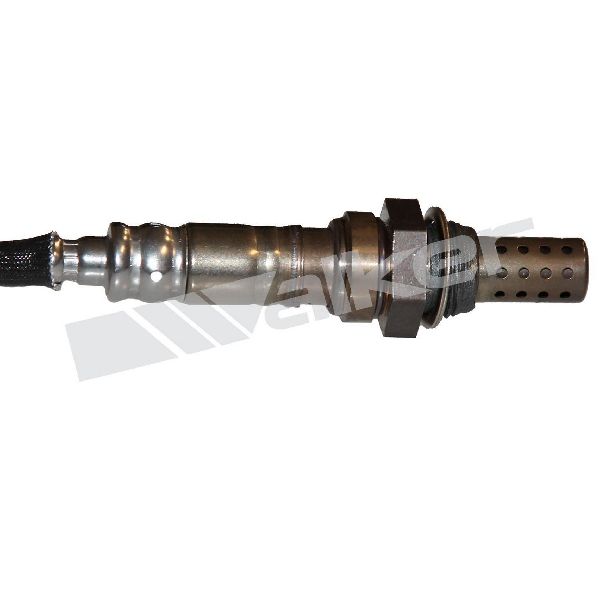
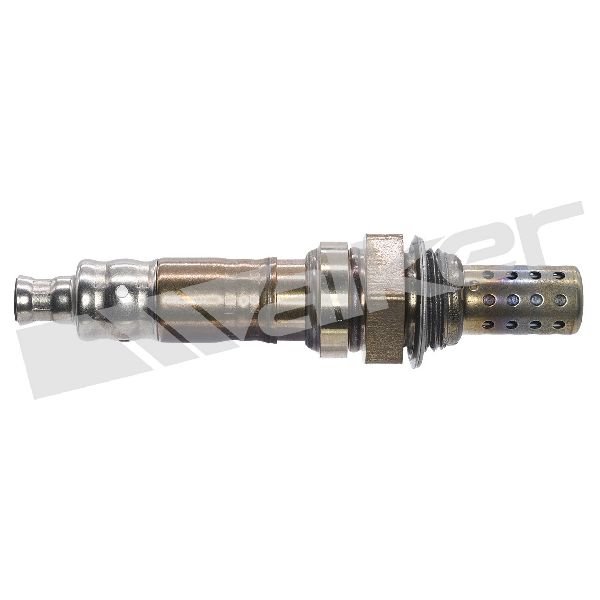
Brands like Spectra, Walker Products, and DriveWire offer sensors at a lower price point. While they can get your car running, their longevity and accuracy may not match the higher-tier brands. These are best considered for temporary fixes or if you are on a very tight budget. Be aware that using a lower-quality sensor might mean you'll be replacing it again sooner.
A Note on Counterfeit Parts
Be cautious when purchasing sensors from large online marketplaces. There have been reports of counterfeit parts, even those packaged to look like genuine Denso or Bosch products. These fake sensors are poorly made and will fail quickly. Purchase from reputable auto parts retailers to ensure you are getting a genuine product.
How Much Does Replacement Cost?
The cost to replace an oxygen sensor depends on the brand of the part and whether you do the work yourself or hire a professional. The number of sensors your car has (depending on the year) will also significantly affect the total cost.
| Cost Type | Estimated Price Range |
|---|---|
| New Aftermarket Part | $25.19 - $175.52 |
| Shop Labor (per sensor) | $136 - $200 |
| Total Professional Job (1 Sensor) | $281 - $427 |
Frequently Asked Questions
How many oxygen sensors does my 1992-2000 SC300 have?
It depends on the year. 1992-1995 (OBD1) models typically have one or two sensors located in the exhaust manifold, before the catalytic converter. 1996-2000 (OBD2) models have four sensors: two upstream (Bank 1 Sensor 1, Bank 2 Sensor 1) and two downstream (Bank 1 Sensor 2, Bank 2 Sensor 2).
What is the difference between upstream and downstream sensors?
Upstream sensors (also called Sensor 1 or air-fuel ratio sensors) are located before the catalytic converter. They are the primary sensors used by the ECU to control the air-fuel mixture. Downstream sensors (Sensor 2) are located after the catalytic converter and their main job is to monitor the converter's efficiency.
Is a Denso aftermarket sensor the same as the Lexus OEM part?
Denso is the original manufacturer for Toyota/Lexus, so a Denso-branded sensor is often identical to the part you would get from a Lexus dealership, just in a different box and at a lower price. It is widely considered the best choice for an OEM-quality replacement.
Can I clean my old oxygen sensor instead of replacing it?
While some people attempt to clean O2 sensors, it is not a recommended or reliable repair. The sensor's internal components wear out over time, and cleaning the exterior will not restore its function. Given the reasonable cost of a new sensor, replacement is always the better option.
Do I need a special tool to replace an oxygen sensor?
Yes, it is highly recommended to use a special oxygen sensor socket. These sockets have a slit down the side to accommodate the sensor's wire. You can often rent this tool from auto parts stores. The sensors can be very tight due to rust and heat, so using the correct tool is important to avoid damage.
Technical Specifications
OEM Part Numbers: 89465-19625 89465-29505 89465-39675 89465-39695 89465-24050 89465-24060 89465-30470 89465-14120
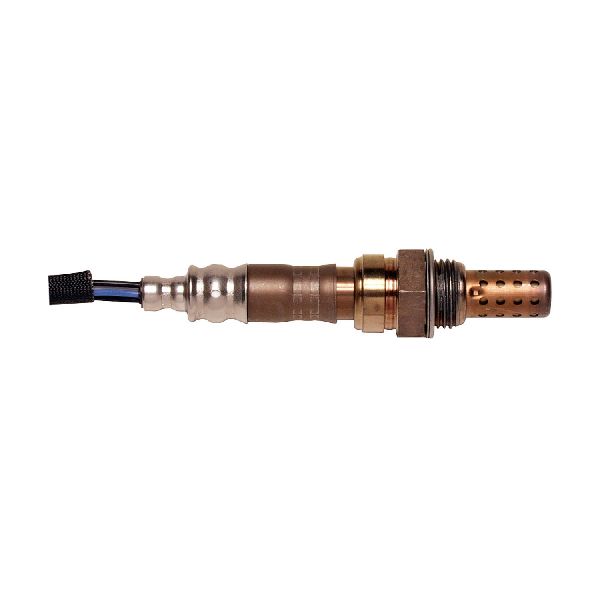
The 1992-2000 Lexus SC300 uses zirconia-type oxygen sensors. Early OBD1 models (1992-1995) may use single-wire, unheated sensors, while later OBD2 models (1996-2000) use four-wire heated sensors. Upstream sensors (air-fuel ratio) are responsible for fuel trim, while downstream sensors monitor catalytic converter efficiency.
We Have This Part in Stock

The information in this article is provided for general reference and educational purposes only. Vehicle specifications, procedures, and part compatibility can vary by production date, trim level, and region. Always consult your vehicle's factory service manual and verify part numbers before purchasing or performing repairs. Safety-critical components such as airbags, seat belts, and braking systems should be installed by a qualified professional.
- Lexus SC300:
- 🛍️ Shop This Part
- Symptoms of a Failing Oxygen Sensor
- OBD1 vs. OBD2: A Critical Difference
- Choosing the Right Aftermarket Oxygen Sensor
- Tier 1: OEM and OE-Equivalent
- Tier 2: Reputable Aftermarket Brands
- Tier 3: Budget-Friendly Options
- A Note on Counterfeit Parts
- How Much Does Replacement Cost?
- Frequently Asked Questions
- 🎟️ Get 5% Off