

Lexus SC400 Engine Coolant Temperature Sensor Guide (1992-2000)
Solving poor performance and check engine lights starts with this critical sensor in your SC400.
- The SC400 has two temp sensors; ensure you're replacing the two-wire ECU sensor, not the single-wire gauge sender.
- A bad sensor causes poor fuel economy, rough running, and can lead to overheating.
- Replacement is a simple, 30-minute DIY job with basic tools, located at the top-front of the engine.
- For this critical part, choosing a reputable aftermarket brand like NGK, Delphi, or Beck Arnley is a wise investment.
Is Your SC400's Coolant Temp Sensor Failing?
A bad Engine Coolant Temperature (ECT) sensor can cause a surprising number of problems that might seem unrelated. Because the sensor's reading affects so many engine functions, a false signal can make the car run poorly. 🎬 Watch: How a new sensor improved this 1UZFE's driveability. Owners often report a Check Engine Light as the first sign of trouble.
Common Symptoms of a Bad ECT Sensor:
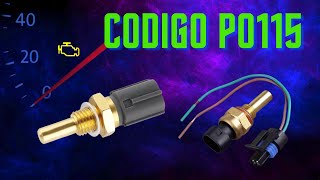
- Check Engine Light: The most common sign, often with code P0115. 🎬 See how to diagnose and test for a P0115 code.
- Poor Fuel Economy: If the sensor tells the ECU the engine is always cold, the computer will inject too much fuel.
- Black Smoke from Exhaust: A very rich fuel mixture can result in unburnt fuel exiting through the exhaust.
- Rough Idle or Stalling: The wrong fuel and air mixture makes it hard for the engine to idle smoothly.
- Hard Starting, Especially When Warm: The engine may be flooded with too much fuel, making it difficult to restart after it has been running.
- Engine Overheating: If the sensor fails to report a hot engine, the electric cooling fans may not turn on when needed.
- Cooling Fans Run Constantly: A sensor that is shorted may send a permanent "hot" signal, causing the fans to run all the time.
Choosing the Right Aftermarket Sensor
For a critical component like the ECT sensor, quality matters. While an OEM Denso sensor is always a safe bet, several aftermarket brands offer a good balance of price and reliability. They can be grouped into tiers based on general reputation and quality.
Pro Tip: ECU Sensor vs. Gauge Sender
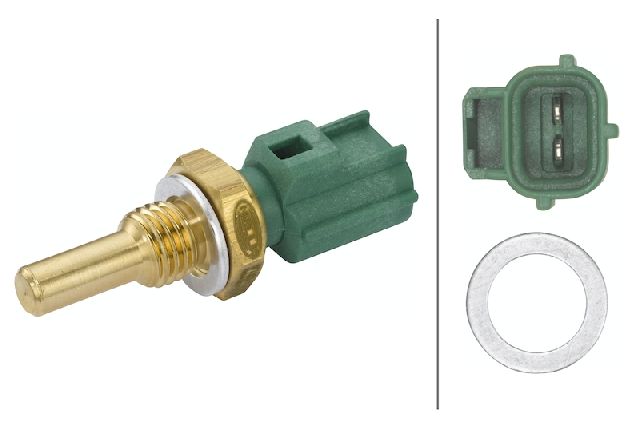
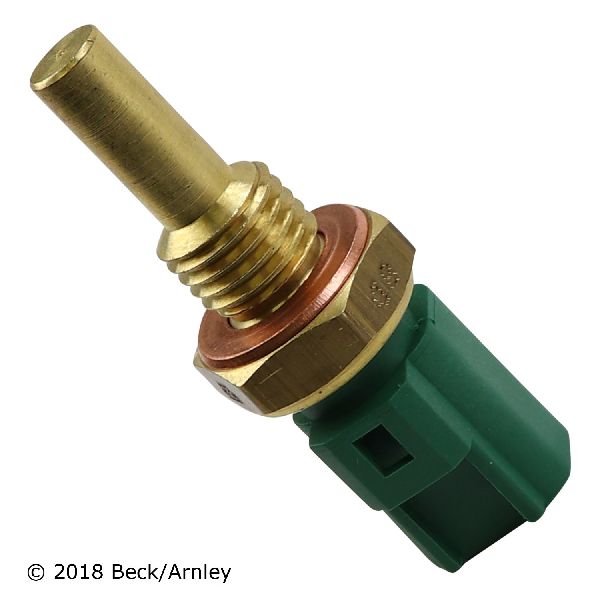
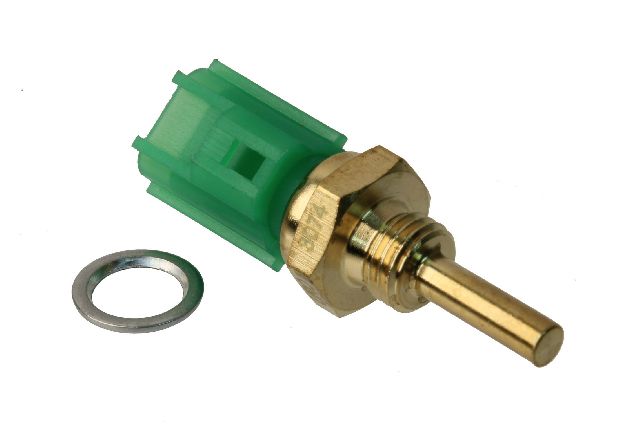
The 1992-2000 SC400 has two separate temperature sensors on the front coolant crossover pipe. The one this article covers is the two-wire sensor with a green plug that sends information to the engine computer (ECU). The other is a smaller, single-wire sensor that only controls the needle on your dashboard temperature gauge. Make sure you are ordering the correct part for your issue.
Brand Quality Tiers
- Tier 1 - OEM Equivalent: Brands like NGK/NTK and Delphi are known for making original equipment for many car manufacturers. They are excellent choices for reliability and performance that matches the original part.
- Tier 2 - Reputable Aftermarket: Beck Arnley and Standard Ignition (SMP) have a long history of providing quality replacement parts that meet OE specifications for fit and function. They are a solid, dependable choice.
- Tier 3 - Economy Options: Brands like URO Parts, Four Seasons, and other lower-priced options can be a good value for less critical components. However, for a sensor that dictates engine performance, investing in a Tier 1 or Tier 2 brand is often recommended for long-term peace of mind.
Cost to Replace an SC400 Coolant Temperature Sensor
Replacing the ECT sensor is one of the more affordable repairs you can perform. The part itself is inexpensive, and labor is minimal due to its easy access.
| Item | Estimated Cost |
|---|---|
| New Aftermarket ECT Sensor | $11 - $48 |
| New OEM (Denso) ECT Sensor | $70 - $95 |
| Shop Labor | $75 - $150 |
| DIY Cost (Part Only) | $11 - $48 |
Frequently Asked Questions
Where is the engine coolant temperature sensor located on a 1992-2000 Lexus SC400?
It is located on the front of the engine, screwed into the aluminum coolant crossover pipe. You will need to remove the top plastic engine covers to see it. It is the sensor with the two-wire green electrical connector.
Can I replace the SC400 ECT sensor myself?
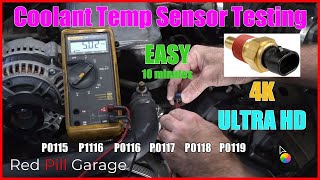
Yes, this is a great DIY job for beginners. The process involves removing a few plastic covers, unplugging the electrical connector, and using a deep socket to unscrew the old sensor and install the new one. 🎬 Watch this walkthrough on how to test and replace the sensor. If the engine is cool, very little coolant will be lost.
What tools do I need to replace the sensor?
You will need a basic socket set (a 10mm socket for the covers and a deep socket, likely 19mm or 3/4", for the sensor itself), a ratchet, and possibly a small flathead screwdriver to help release the electrical connector tab.
What happens if I don't replace a bad ECT sensor?
Ignoring a bad sensor will lead to persistently poor engine performance, terrible gas mileage, and failed emissions tests. In a worst-case scenario where the sensor fails to report an overheating engine, it could lead to severe engine damage.
Helpful Videos




Technical Specifications
OEM Part Numbers: 89422-20010
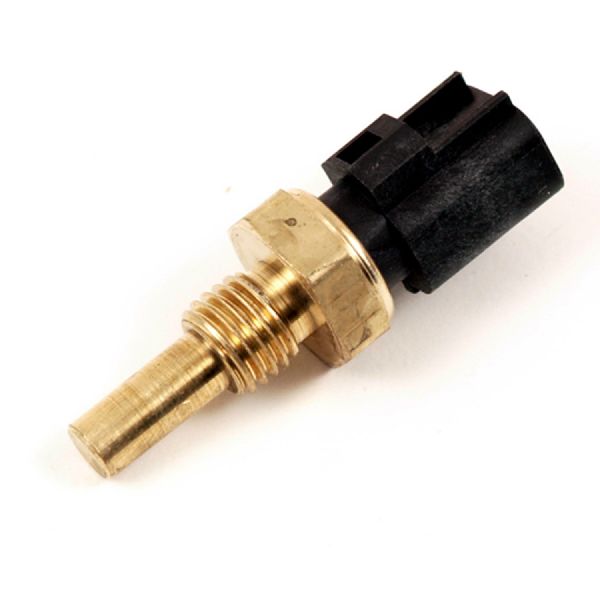
The correct sensor for the ECU is a two-terminal sensor, typically with a green plastic connector housing.
We Have This Part in Stock



The information in this article is provided for general reference and educational purposes only. Vehicle specifications, procedures, and part compatibility can vary by production date, trim level, and region. Always consult your vehicle's factory service manual and verify part numbers before purchasing or performing repairs. Safety-critical components such as airbags, seat belts, and braking systems should be installed by a qualified professional.
- Lexus SC400:
- 🎬 Helpful Videos
- 🛍️ Shop This Part
- Is Your SC400's Coolant Temp Sensor Failing?
- Common Symptoms of a Bad ECT Sensor:
- Choosing the Right Aftermarket Sensor
- Pro Tip: ECU Sensor vs. Gauge Sender
- Brand Quality Tiers
- Cost to Replace an SC400 Coolant Temperature Sensor
- Frequently Asked Questions
- 🎟️ Get 5% Off