

Engine Oil Pan Guide for the 1992-2001 GMC Yukon
A leaking or damaged oil pan is a common issue on GMT400 Yukons, but it's a fixable problem.
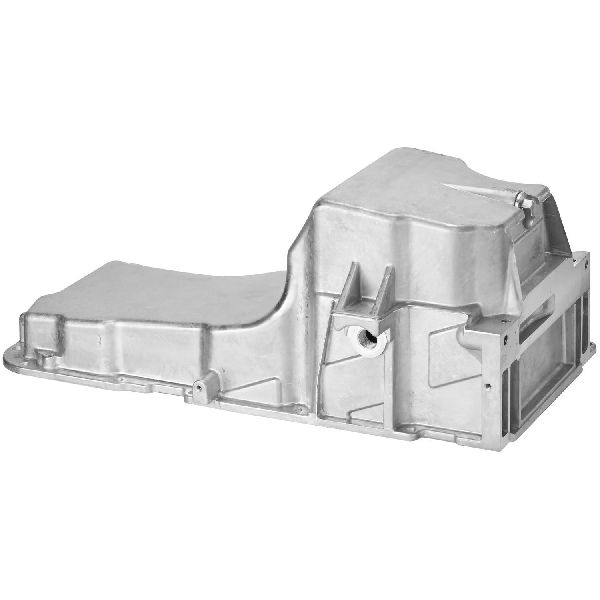
- You must order the correct pan for your vehicle; 2WD and 4WD pans are not interchangeable.
- The primary cause of failure is rust, especially in northern climates. Inspect any new pan's coating and consider adding more protection.
- Replacing the pan on a 4WD model is a difficult job that involves lowering the front differential.
- While the pan is off, it is a smart preventative measure to replace the oil pump pickup tube O-ring.
Is Your Yukon's Oil Pan Failing?
The oil pan on the 1992-2001 GMC Yukon is a tough part, but it's not invincible. Located at the bottom of the engine, it's exposed to road debris, moisture, and salt. Over decades of service, two main problems arise: rust and damage. Pans can rust from the outside in, especially in northern climates, leading to pinhole leaks. The drain plug area is another weak spot; years of oil changes can lead to stripped threads, causing a persistent drip.
Watch for Low Oil Pressure
A major leak can cause the oil level to drop dangerously low. If your oil pressure gauge reads low or the warning light comes on, stop the engine immediately. Driving with low oil pressure can quickly lead to catastrophic engine failure.
Known Issues for 1992-2001 GMC Yukon
There are no specific recalls or widespread Technical Service Bulletins (TSBs) from GMC for the oil pan itself on this generation of Yukon. However, the most common owner-reported problems are straightforward:
- Rust/Corrosion: The original steel pans are prone to rusting through over time, causing leaks. This is the number one reason for replacement.
- Stripped Drain Plugs: After 20-30 years of oil changes, the drain plug threads can wear out or get damaged from over-tightening, resulting in a leak that a new gasket can't fix.
- Impact Damage: Hitting debris on the road or bottoming out during off-road use can dent or puncture the oil pan.
- Gasket Leaks: The oil pan gasket itself can become hard and brittle with age, leading to leaks between the pan and the engine block. Often, a leaking gasket is misdiagnosed when the pan itself is rusted. Always inspect the pan closely before deciding to only replace the gasket.
Choosing the Right Aftermarket Oil Pan
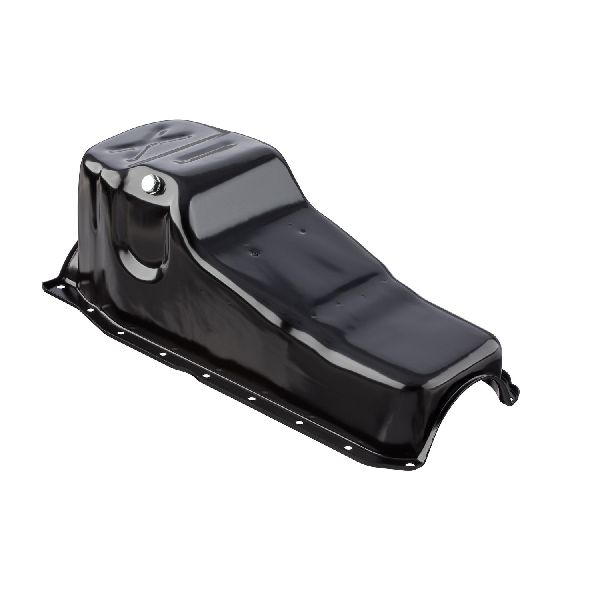
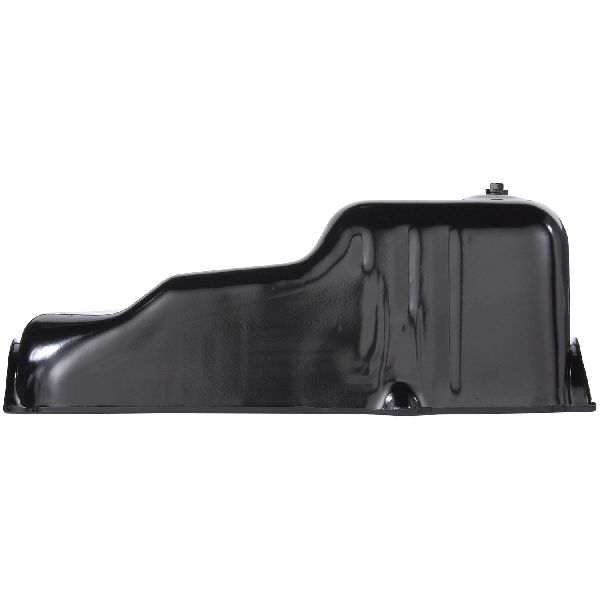
For a simple part like a stamped steel oil pan, a quality aftermarket replacement is often a smart and cost-effective choice compared to a pricey OEM part. The key is choosing a brand with a good reputation for fit and finish.
Pro Tip: Before installation, consider spraying your new aftermarket pan with a high-quality rust-inhibiting paint or undercoating for extra protection, especially if you live in an area where roads are salted in the winter.
Aftermarket Brand Tiers
- Good Quality (Recommended): Brands like Spectra and ATP generally receive positive feedback from mechanics and DIYers. They are known for having good corrosion-resistant coatings and proper fitment that matches the original. Some users note that ATP pans can be made of thicker steel than the original.
- Standard/Economy: Dorman is a widely available brand. While many of their pans fit and function correctly, they have a mixed reputation for consistency. It's a good idea to inspect the pan upon arrival for any warping or issues with the drain plug threads. Often, Dorman and other brands are identical parts sold under different names.
- Value Brands: Brands like Skyward and Pioneer Cable are typically budget-friendly options. While they can be a good value, inspect them carefully for quality before installation. Ensure the pan sits flat on a level surface and that the drain plug threads are clean.
Replacement Cost
The cost to replace the oil pan on a 1992-2001 Yukon varies significantly based on whether your truck is 2WD or 4WD. The 4WD models are much more labor-intensive.
| Item | Estimated Cost |
|---|---|
| New Aftermarket Oil Pan | $65 - $360 |
| Shop Labor (2WD) | $200 - $350 |
| Shop Labor (4WD) | $400 - $700+ |
| Total Professional Job | $265 - $1,060+ |
Costs are estimates and can vary by location and repair shop. 4WD models require more labor because the front differential must be lowered to access the pan.
Frequently Asked Questions
Is the 4WD oil pan different from the 2WD version?
Yes, they are different. The 4WD oil pan is shaped differently to provide clearance for the front differential. It is critical to order the correct pan for your drivetrain configuration.
Should I replace the oil pan gasket at the same time?
Absolutely. Never reuse an old oil pan gasket. A new gasket is required to ensure a proper seal. Most aftermarket pans do not include a gasket, so you will need to purchase one separately.
Can I just use a stop-leak additive instead?
Stop-leak products are a temporary fix at best and are not recommended for a rusted or damaged oil pan. They are designed to swell rubber seals and will not fix a hole in the metal pan or stripped drain plug threads. The only reliable solution is to replace the faulty component.
What else should I inspect or replace while the oil pan is off?
With the pan removed, you have direct access to the oil pump and the oil pump pickup tube. It is highly recommended to replace the small O-ring on the pickup tube, as they are known to get hard and brittle, which can cause oil pressure problems. It's also a good time to inspect the oil pump itself for any signs of wear.
Technical Specifications
OEM Part Numbers: 10108676
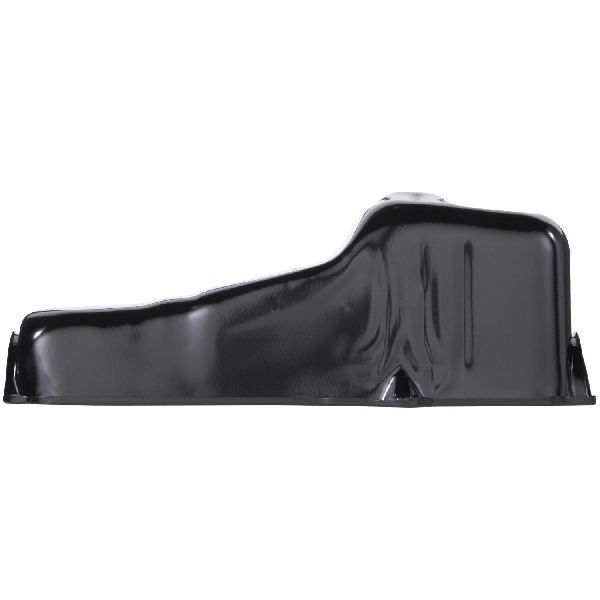
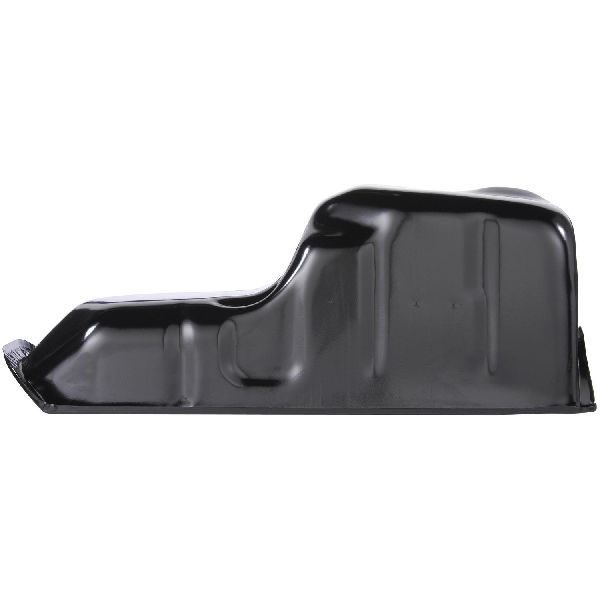
Material: Stamped Steel. Gasket Included: No. Drain Plug Included: Yes. Common Engine: 5.7L V8.
We Have This Part in Stock

The information in this article is provided for general reference and educational purposes only. Vehicle specifications, procedures, and part compatibility can vary by production date, trim level, and region. Always consult your vehicle's factory service manual and verify part numbers before purchasing or performing repairs. Safety-critical components such as airbags, seat belts, and braking systems should be installed by a qualified professional.
- GMC Yukon: