

Honda Civic VTEC Solenoid Guide for 1992-2001 Models
Keep your Civic's VTEC system engaging properly with the right replacement solenoid.
- The most common failure code is P1259; always check your oil level and condition first, as low/dirty oil can cause this code.
- This is a very DIY-friendly repair that can be done in under an hour with basic tools.
- A quality aftermarket solenoid is a reliable and cost-effective choice, but avoid the cheapest online options which are known to fail prematurely.
- Always replace the solenoid gasket to prevent oil leaks, even if you are just cleaning the original part.
Understanding the VTEC Solenoid in Your 1992-2001 Civic
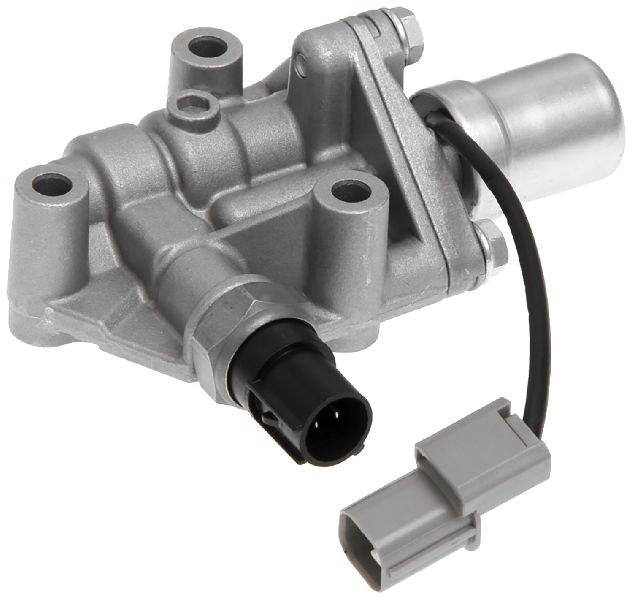
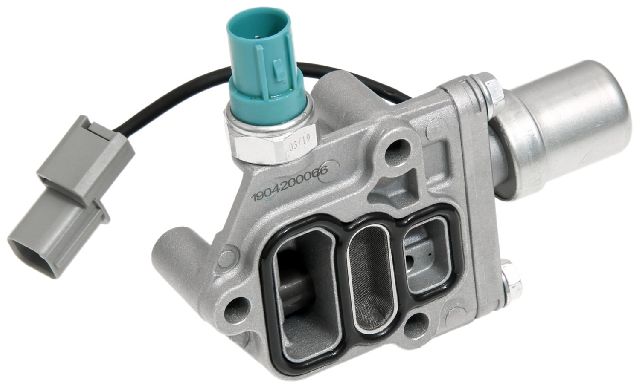
The Engine Variable Valve Timing (VVT) Solenoid, known to Honda owners as the VTEC solenoid, is the heart of what gives VTEC-equipped Civics their unique two-stage performance. It's not a part that gradually wears out, but it can fail suddenly. Failure is often due to internal electrical issues, a clogged filter screen from dirty oil, or a simple bad gasket causing oil leaks. It's important to know that not all 1992-2001 Civics have VTEC; it was typically found on EX and Si trims.
Common Failure Symptoms
When your VTEC solenoid starts to fail, the signs are usually clear. Paying attention to them can prevent further issues.
- Check Engine Light: This is the most common sign. A code like P1259 (VTEC System Malfunction) points directly to a problem in the VTEC circuit, which includes the solenoid and its oil pressure switch.
- No VTEC Engagement: The car will feel sluggish and won't get its typical surge of power in the higher RPM range. It might feel like it's hitting a wall and won't accelerate as quickly.
- Engine Limp Mode: In some cases, a P1259 code will cause the engine to go into limp mode, limiting the RPMs to around 3,750 to protect the engine.
- Oil Leaks: The gasket between the solenoid and the engine head is a frequent point of failure. You may see oil on the back of the engine, dripping down toward the oil filter. Often, people replace the whole solenoid when only the gasket is bad, but replacing the assembly is good preventative maintenance.
Check Your Oil First!
Low or dirty engine oil is a very common reason for VTEC to stop working and can trigger a P1259 code. The system relies on oil pressure to function. Before you buy any parts, make sure your oil level is correct and the oil is clean.
Choosing the Right Aftermarket Solenoid
For a vehicle of this age, an aftermarket VTEC solenoid is a practical choice. OEM parts are excellent but can be expensive. A quality aftermarket part can provide reliable performance for a fraction of the cost. However, be cautious of the cheapest no-name options, as they have a higher failure rate.
- Premium Aftermarket (e.g., NGK/NTK, Standard Ignition): These brands have a strong reputation for making reliable engine management components. They are engineered to meet or exceed OEM specifications and are a safe bet for a long-lasting repair.
- Standard Aftermarket (e.g., Dorman, Walker Products, Holstein): These brands offer a good balance of price and quality. They are widely available and are a significant step up from generic online marketplace parts. They often provide a cost-effective solution that works well for daily driving.
- Budget Online Parts: While tempting, ultra-cheap solenoids from online marketplaces are a gamble. Forum users report these parts failing within a year or even being faulty right out of the box. An initial savings can quickly disappear if you have to do the job twice.
Always Replace the Gasket
Whether you are cleaning your old solenoid or installing a new one, always use a new gasket. Most aftermarket kits include one. The old gasket becomes hard and brittle with age and will not seal properly if reused, leading to oil leaks.
Cost of Replacing a VTEC Solenoid
| Item | Estimated Cost |
|---|---|
| Shop Labor | $75 - $176 |
| New OEM Part | $200 - $400+ |
| New Aftermarket Part | $57 - $259 |
| Used OEM Part | $40 - $130 |
Frequently Asked Questions
Can I just clean my VTEC solenoid instead of replacing it?
Yes, sometimes cleaning the small filter screen inside the solenoid can resolve issues, especially if the problem is caused by dirty oil. However, if the solenoid's electrical component has failed, cleaning won't help. Given the low cost of a new aftermarket part and the labor involved, most owners choose to replace the entire assembly.
Is the VTEC solenoid hard to replace myself?
No, this is a very DIY-friendly job. The solenoid is usually located on the back of the engine head and is held on by three 10mm bolts. Access can be a little tight, but it typically takes less than an hour with basic hand tools.
Does the new solenoid come with a gasket?
Most aftermarket VTEC solenoid kits come with the necessary gasket(s). It's critical to confirm this before purchasing. The gasket is not reusable, and a new one is required to prevent oil leaks.
I replaced my solenoid, but VTEC still doesn't work. What's wrong?
First, double-check your oil level. If that's good, the problem could be the oil pressure switch (which is often part of the solenoid assembly but can sometimes fail independently), the wiring connector, or even the ECU. Make sure the electrical connection is clean and secure.
Technical Specifications
OEM Part Numbers: 15810-P2R-A01 15810-P30-005
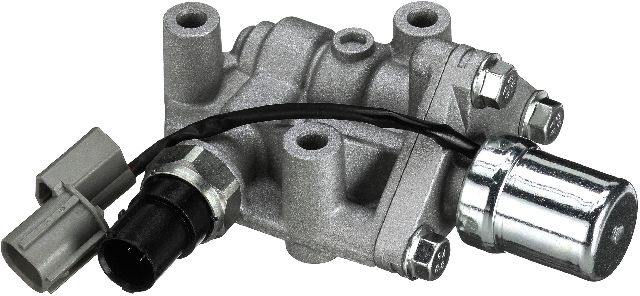
Fits VTEC-equipped engines for 1992-2001 Honda Civic, including D16Y8, D16Z6, and B16A2. The assembly includes the solenoid, housing, and oil pressure switch. It is secured by three 10mm bolts.
We Have This Part in Stock


The information in this article is provided for general reference and educational purposes only. Vehicle specifications, procedures, and part compatibility can vary by production date, trim level, and region. Always consult your vehicle's factory service manual and verify part numbers before purchasing or performing repairs. Safety-critical components such as airbags, seat belts, and braking systems should be installed by a qualified professional.
- Honda Civic: