

Honda Prelude Engine Mounts: A Guide for the 1992-2001 Generations
Clunks, rattles, and excessive vibration in your Prelude could be pointing to worn-out engine mounts.
- Decide between comfort and performance: OEM-style rubber mounts for a smooth ride, or polyurethane inserts for performance with a trade-off in heavy vibration.
- Budget aftermarket brands like Anchor and DEA may increase cabin vibration compared to the original Honda mounts.
- Verify the correct part for your Prelude's generation (1992-96 vs. 1997-01) as mounts are not all interchangeable.
- No recalls have been issued for the engine mounts on this vehicle, so failure is typically due to age and wear.
Symptoms of a Failing Prelude Engine Mount
When engine mounts wear out, the signs are usually easy to feel and hear. The rubber cracks and hardens over time, or the internal fluid can leak out, leaving the engine poorly supported. Look out for these common symptoms:
- Excessive Vibration: A noticeable increase in vibration felt in the steering wheel, dashboard, or seats, especially when the car is idling, is a classic sign.
- Impact Noises: Loud clunking, banging, or thumping sounds from the engine bay when you accelerate, brake, or shift gears. This is the sound of the engine moving too much and hitting other parts.
- Rough Starts and Shifts: A jolt or lurch when you start the engine, shut it off, or put the transmission into gear.
- Visible Engine Movement: With the hood open and the car in park (with the parking brake on), have a friend briefly and lightly press the gas. If you see the engine lurch or twist excessively, one or more mounts have likely failed.
Choosing the Right Aftermarket Mount for Your Prelude
When shopping for new engine mounts, you have two main paths: standard rubber replacements that mimic the original feel, or polyurethane upgrades that prioritize performance over comfort.
OEM-Style Rubber Mounts (Brands: Anchor, DEA, Pioneer)
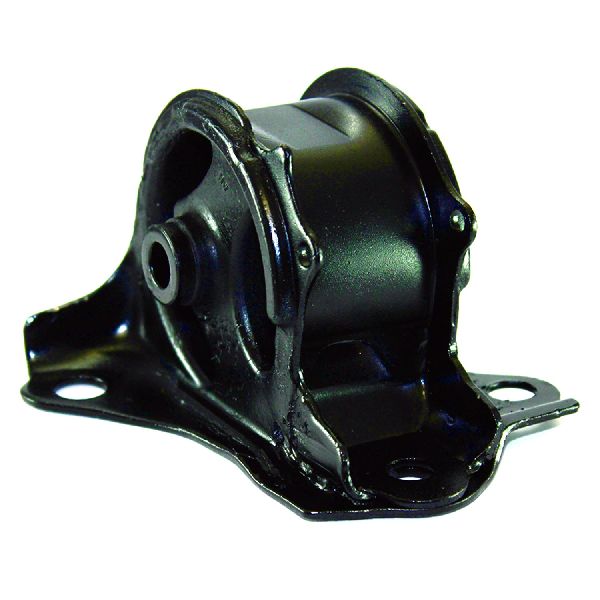
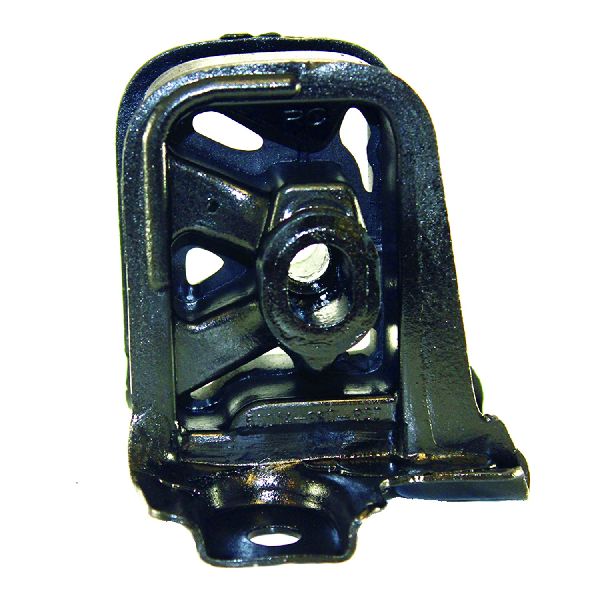
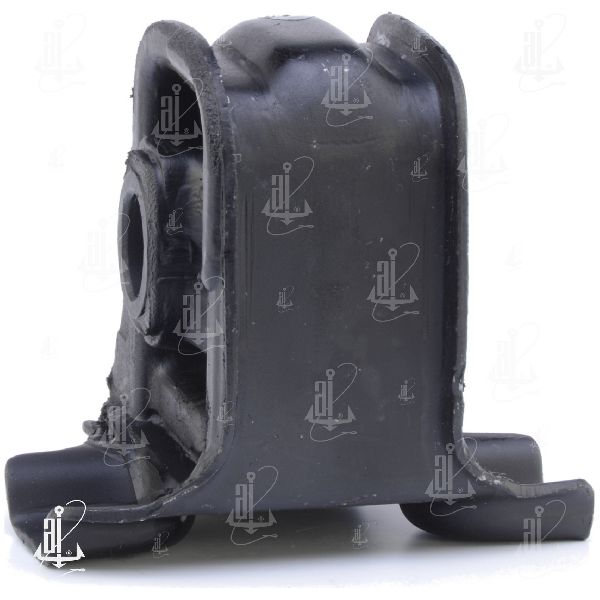
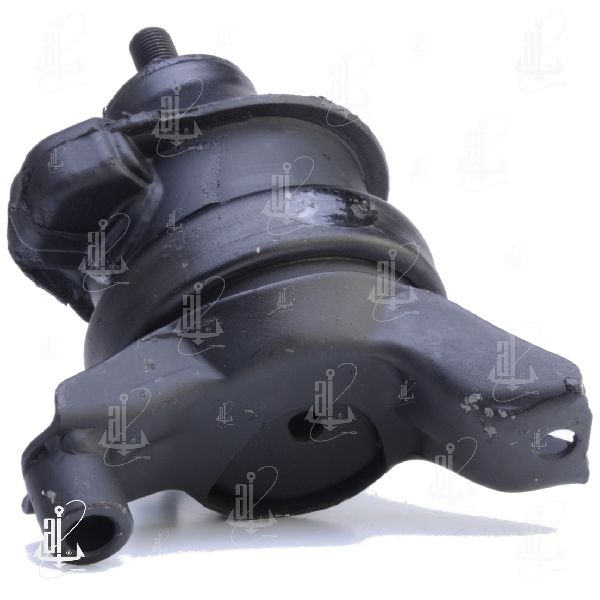
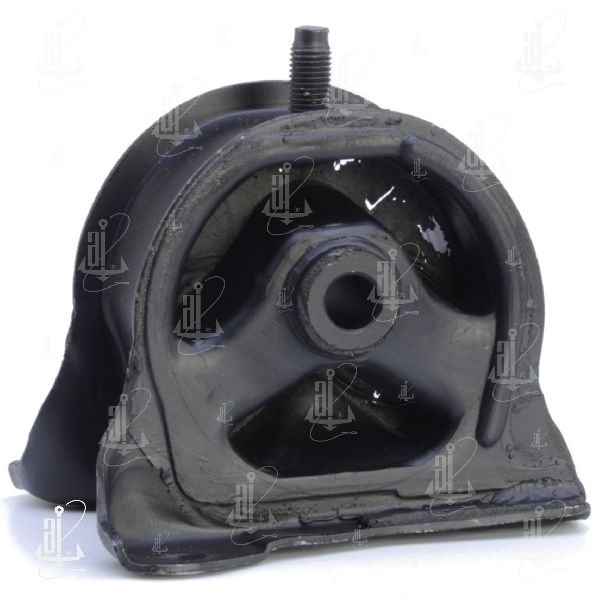
These mounts are designed to be direct, factory-style replacements. They use rubber to absorb vibrations for a comfortable ride, similar to the original Honda parts. Brands like Anchor, DEA, and Pioneer offer affordable options.
Performance Polyurethane Inserts (Brand: Energy Suspension)
Energy Suspension does not sell full mounts, but rather polyurethane inserts. These firm inserts fill the voids in your existing mount brackets. This is a performance modification, not a comfort-oriented repair.
- Pros: Drastically reduces engine movement, which can improve throttle response and reduce wheel hop during aggressive driving or racing. They are very durable and resistant to oil and coolant.
- Cons: The main drawback is a major increase in Noise, Vibration, and Harshness (NVH). You will feel much more of the engine's vibration inside the car, especially at idle. For this reason, they are often not recommended for daily driven cars with automatic transmissions, as the vibration can be excessive.
Pro Tip: Check Your Generation and Transmission
The 4th Generation (1992-1996) and 5th Generation (1997-2001) Preludes use different engine mounts. While some parts like the front mount or polyurethane inserts may be compatible across the entire range, the main side and rear mounts are often generation-specific. Always verify the part fits your exact year before ordering. Additionally, performance polyurethane inserts are typically designed for manual transmission models; using them on an automatic can result in unpleasant levels of vibration.
Cost to Replace Honda Prelude Engine Mounts
| Part Type | Estimated Cost (Per Mount) |
|---|---|
| New Aftermarket (Rubber) | $29 - $85 |
| New Aftermarket (Polyurethane Inserts - Set) | $50 - $90 |
| New OEM (Original Equipment) | $100 - $250+ (Many are discontinued) |
| Shop Labor (Full Set) | $200 - $500+ |
Frequently Asked Questions (FAQ)
Can I just replace the one broken mount?
Yes, you can replace just the one failed mount. However, mounts tend to wear at a similar rate. If one has failed, the others are likely not far behind. Replacing them as a set can save you on future labor costs and ensures the engine is evenly supported.
Why do my new aftermarket mounts vibrate so much?
This is a common issue, especially with budget-friendly rubber mounts or performance polyurethane inserts. Aftermarket rubber compounds may be harder than the original Honda parts, leading to more vibration transfer. Polyurethane is a much stiffer material by design, and a significant increase in vibration is expected and normal for that type of upgrade.
Is replacing engine mounts a DIY job?
For an experienced home mechanic, it is feasible. The job requires safely supporting the engine from below with a jack and a piece of wood. Access to some mounts, particularly the rear one, can be tight and may require various socket extensions and swivels. Lining up the new mounts can also be challenging. If you are not comfortable supporting an engine, it's best to leave this job to a professional.
Are there any recalls for 1992-2001 Prelude engine mounts?
No, searches of the National Highway Traffic Safety Administration (NHTSA) database did not show any safety recalls or technical service bulletins (TSBs) specifically for engine mount failure on the 1992-2001 Honda Prelude.
Technical Specifications
OEM Part Numbers: 50810-SS0-000 50820-SS0-J01 50821-S30-981 50805-SS0-000
Vehicle utilizes a multi-mount system, typically including front, rear, driver-side, and passenger-side (transmission) mounts. Original mounts are primarily rubber; some may be fluid-filled (hydraulic). Aftermarket options include solid rubber and polyurethane.
We Have This Part in Stock


The information in this article is provided for general reference and educational purposes only. Vehicle specifications, procedures, and part compatibility can vary by production date, trim level, and region. Always consult your vehicle's factory service manual and verify part numbers before purchasing or performing repairs. Safety-critical components such as airbags, seat belts, and braking systems should be installed by a qualified professional.
- Honda Prelude:
- 🛍️ Shop This Part
- Symptoms of a Failing Prelude Engine Mount
- Choosing the Right Aftermarket Mount for Your Prelude
- OEM-Style Rubber Mounts (Brands: Anchor, DEA, Pioneer)
- Performance Polyurethane Inserts (Brand: Energy Suspension)
- Pro Tip: Check Your Generation and Transmission
- Cost to Replace Honda Prelude Engine Mounts
- Frequently Asked Questions (FAQ)
- 🎟️ Get 5% Off