

Dodge Dakota Neutral Safety Switch Guide for 1992-2002 Models
If your Dakota won't start in Park or has no reverse lights, your neutral safety switch could be the problem.
- A bad switch can cause a no-start condition or make the reverse lights fail.
- Always check the shift linkage adjustment first, as it can cause the same symptoms and is a common issue on Dakotas.
- The truck may start in Neutral but not Park (or vice-versa), which is a classic sign of a failing switch.
- Most 1992-2002 Dakotas use an external screw-in switch on the transmission's driver side, which is a feasible DIY replacement.
Understanding the Neutral Safety Switch on Your Dakota

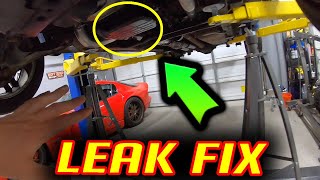
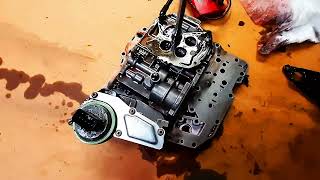
The neutral safety switch, or transmission range sensor (TRS), on 1992-2002 Dodge Dakotas ensures the engine will only crank in Park or Neutral. It's a simple part that can cause big headaches when it fails, often mimicking a dead starter or battery. For most Dakotas in this year range with common transmissions like the 42RE, 44RE, and 46RE, the switch is an external, screw-in sensor located on the driver's side of the transmission case. However, some later models with different transmissions (like the 45RFE) use an internal sensor attached to the valve body, which is a much more complex replacement job. Before buying a part, it's wise to visually inspect your transmission to see which type you have.
Common Failure Symptoms

A failing neutral safety switch can show several signs. You might find your truck starts in Neutral but not in Park, or the other way around. As the problem gets worse, it may not start in either gear, leaving you stranded. Another common symptom is the loss of reverse lights. In rare but dangerous cases, a shorted switch could allow the truck to start in any gear, creating a serious safety risk. You may also see a Check Engine Light with code P0705, which points directly to a fault in the transmission range sensor circuit.
Check Your Linkage First!
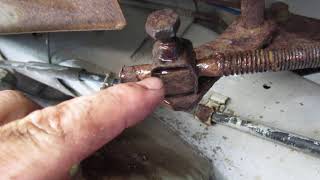
Many neutral safety switch symptoms on these Dakotas are actually caused by a misadjusted or worn shift linkage cable. If the cable is stretched or loose, it won't put the transmission fully into Park, even if the shifter says it is. This prevents the switch from sending the 'start' signal. Always check your linkage adjustment before replacing the switch. There was also a recall for 2001-2002 models related to gearshift assembly wear that could prevent the truck from staying in Park.
Choosing the Right Aftermarket Switch

For a common part like this, several aftermarket brands offer reliable replacements. You don't necessarily need to pay for an OEM part, especially for the simpler external switch, as long as you choose a quality replacement.
- Good (Value Tier): Brands like Replacement offer a direct-fit part at a very low cost. For an older truck, this can be a perfectly fine solution to get you back on the road, but long-term durability may vary.
- Better (Mid-Grade): Crown Automotive specializes in Jeep/Dodge parts and offers a good balance of quality and price. They are a solid choice for a durable repair without the OEM price tag.
- Best (OE-Quality): Standard Ignition (SMP) is a well-respected brand known for producing parts that meet or exceed original equipment specifications. If you want the highest quality and longest life from an aftermarket part, this is a top choice.
| Part Type | Estimated Cost |
|---|---|
| New OEM (Mopar) | $90 - $120 |
| New Aftermarket | $23 - $75 |
| Shop Labor | $100 - $200 (for external switch) |
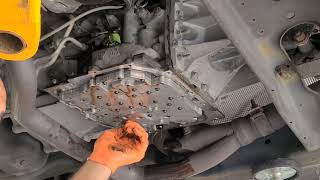
Note: Labor costs can be significantly higher ($300-$500+) if your truck has the less common internal switch, as the transmission pan and valve body must be removed.
Frequently Asked Questions

Can I bypass the neutral safety switch on my Dakota?
While it is technically possible to bypass the switch by jumping the starter relay wires, it is strongly discouraged. Doing so disables a critical safety feature, allowing the truck to start in gear and potentially cause an accident. It should only be considered a temporary, emergency measure to move the vehicle to a safe location for repair.
Is the neutral safety switch the same as the transmission range sensor?
Yes, for this vehicle, the terms are often used interchangeably. The part's technical name is the Transmission Range Sensor (TRS), but it is widely known as the neutral safety switch because of its primary safety function.
How do I know if it's the switch or just a bad starter?
If you have a no-start problem, listen for a 'click' from the starter solenoid when you turn the key. If you hear a click but no crank, the problem is more likely the starter or battery. If you hear nothing at all, but your dashboard lights and radio work, the neutral safety switch is a likely culprit because it's preventing power from even reaching the starter. Also, try starting the truck in Neutral. If it starts in Neutral but not Park, the switch or its adjustment is almost certainly the issue.
Where is the neutral safety switch located on a 1992-2002 Dakota?
On most models with automatic transmissions like the 42RE, 44RE, or 46RE, the switch is an external sensor screwed into the driver's side of the transmission case, near the shift lever. Some less common configurations may have an internal switch on the valve body.
Helpful Videos
Technical Specifications
OEM Part Numbers: 56028181AB 56028181 56045489AC
Typically a 3-prong, external, screw-in sensor located on the transmission case for 42RE, 44RE, and 46RE automatic transmissions.
We Have This Part in Stock


The information in this article is provided for general reference and educational purposes only. Vehicle specifications, procedures, and part compatibility can vary by production date, trim level, and region. Always consult your vehicle's factory service manual and verify part numbers before purchasing or performing repairs. Safety-critical components such as airbags, seat belts, and braking systems should be installed by a qualified professional.
- Dodge Dakota: