

Dodge Viper Oxygen Sensor Guide: 1992-2002 Models
Everything a Viper owner needs to know about replacing tired or failed O2 sensors.
- First, confirm if you have a Gen 1 (1992-95, 2 sensors) or Gen 2 (1996-02, 4 sensors) Viper.
- A Check Engine Light is the most common sign of failure, but also watch for poor MPG and rough running.
- Denso and NTK are the most recommended aftermarket brands for quality and reliability on a Viper.
- If you have a Gen 2 with a modified exhaust and a P0135 code, a Denso #234-4076 upstream sensor is a common fix.
Understanding Your Viper's Oxygen Sensors: Gen 1 vs. Gen 2
Before buying, it's critical to know which generation your Viper is. The number and type of sensors are different, and ordering the wrong part is a common mistake.
| Generation | Years | System | Total Sensors | Details |
|---|---|---|---|---|
| Gen 1 | 1992-1995 | OBD-I | Two | These vehicles have two upstream sensors, one for each exhaust bank before the catalytic converters. They do not have downstream sensors. |
| Gen 2 | 1996-2002 | OBD-II | Four | These vehicles have four sensors: two upstream (before cats) and two downstream (after cats) to monitor converter efficiency. |
Symptoms of a Failing Oxygen Sensor
When an O2 sensor starts to fail, it sends bad information to the engine computer. This can cause a range of problems, from annoying to potentially damaging. The most obvious sign is a Check Engine Light, but you might also notice other issues.
- Poor Fuel Economy: Your engine may run too rich, wasting fuel.
- Rough Idle or Misfires: An incorrect air/fuel mix can make the engine run unevenly.
- Sluggish Performance: You might feel a loss of power or hesitation during acceleration.
- Failed Emissions Test: A bad O2 sensor is a common reason for failing a smog check.
- Rotten Egg Smell: Excess fuel being burned in the exhaust can create a sulfur smell and may damage your catalytic converters over time.
Known Issue for Gen 2 Vipers with Aftermarket Exhaust
Many Gen 2 Viper owners with modified, free-flowing exhausts report getting a P0135 (O2 Heater Circuit) check engine light. This often happens because the stock-style sensors don't get hot enough, quickly enough. A widely recommended fix in the Viper community is to use Denso aftermarket upstream sensors (part #234-4076), which have a design that allows them to heat up faster.
Choosing the Right Aftermarket O2 Sensor
While you can always buy a Mopar sensor from the dealer, high-quality aftermarket brands offer excellent performance, often for less money. For a critical part like this, it's best to avoid the cheapest no-name options, which can fail quickly and cause performance issues.
- Premium Brands (Denso, NTK/NGK): These Japanese brands are often the original equipment manufacturer for many automakers, including Dodge. They are known for their reliability and are highly recommended by Viper owners and mechanics. Denso is particularly recommended for Gen 2 cars with modified exhaust.
- Quality Mid-Range (Bosch, Delphi, Walker): Bosch invented the O2 sensor and is a massive OEM supplier, but their aftermarket sensors get mixed reviews for Mopar vehicles, with some users reporting issues. Walker and Delphi are established brands that provide a solid balance of quality and price.
- Economy Brands (DriveWire, Spectra): These offer a budget-friendly option and are a step up from no-name parts, but may not have the same longevity or precise calibration as premium brands.
Pro Tip: Replace in Pairs
It's generally a good practice to replace O2 sensors in pairs (e.g., both upstream sensors at the same time). They wear at a similar rate, and replacing just one can sometimes lead to imbalances in readings between the old and new sensor.
Cost of Replacing a Dodge Viper Oxygen Sensor
| Part | Typical Cost (Per Sensor) |
|---|---|
| New OEM (Mopar) | $90 - $180 |
| New Aftermarket | $40 - $177 |
| Shop Labor | $100 - $200 (for one or two sensors) |
Frequently Asked Questions (FAQ)
How hard is it to change the O2 sensors on a Viper?
For a DIY mechanic, it's a relatively simple job. The sensors are located on the exhaust underneath the car. The main difficulty is access, which can be tight, and the possibility of the old sensor being seized in the exhaust pipe. Using a special O2 sensor socket and penetrating oil is highly recommended. The job takes about 10-20 minutes per sensor if they aren't stuck.
Do I need a special tool?
Yes, an O2 sensor socket is the best tool. It's a socket with a slot cut out for the wire. While a 7/8-inch or 22mm open-end wrench can work, it has a higher chance of rounding off a stubborn sensor. Many auto parts stores offer these sockets as part of a loaner tool program.
Was there a recall for Viper oxygen sensors?
Yes, there was a very small recall for thirty-six 1996 Dodge Vipers. The issue was that the wiring for the rear (downstream) oxygen sensors was installed backwards from the factory, which could cause a false check engine light. The fix was simply to correct the wiring. No other O2 sensor recalls were issued for the 1992-2002 model years.
What's the difference between upstream and downstream sensors?
Upstream sensors (also called Sensor 1) are located before the catalytic converter. They are the primary sensors used by the computer to adjust the air-fuel mixture. Downstream sensors (Sensor 2) are located after the catalytic converter and are used to monitor its efficiency. Your 1992-1995 Viper only has upstream sensors, while 1996-2002 models have both.
Technical Specifications
OEM Part Numbers: 56041212AB 56041004 56041107 5149180AA
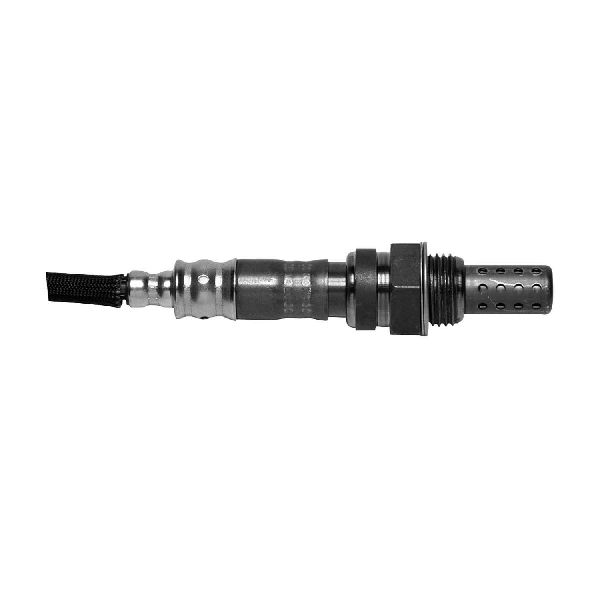
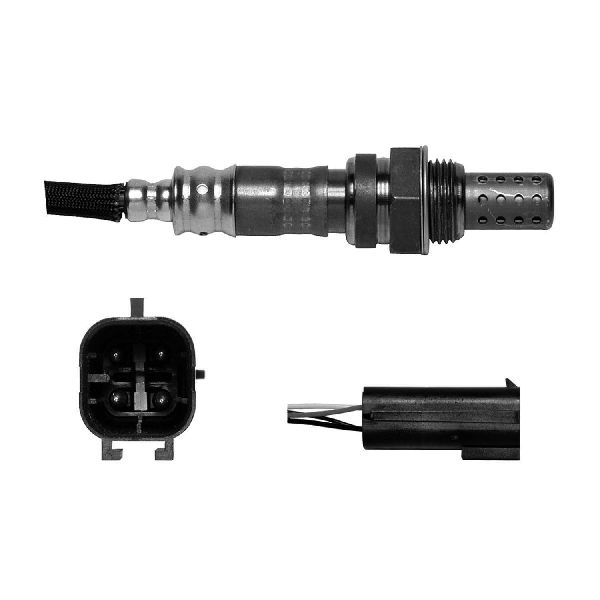
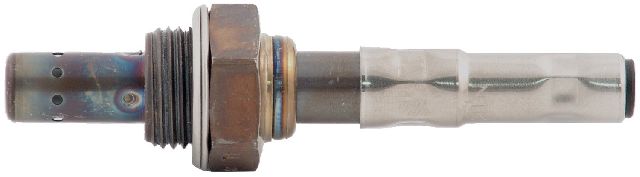
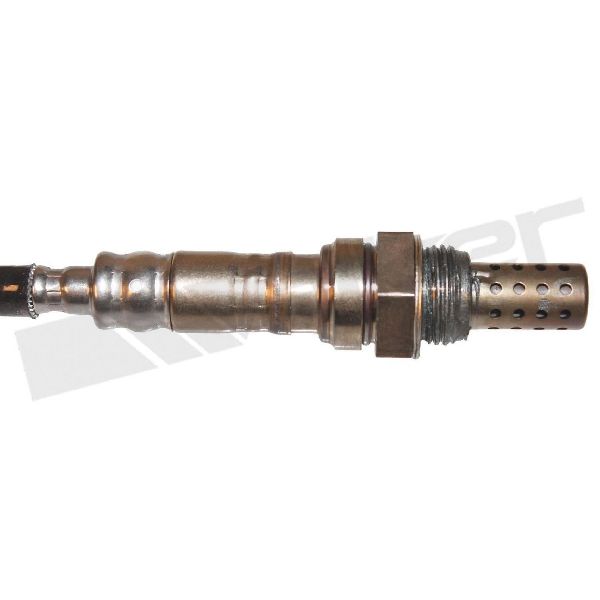
Gen 1 (1992-1995) uses two upstream (pre-catalyst) heated oxygen sensors. Gen 2 (1996-2002) uses four heated oxygen sensors: two upstream and two downstream (post-catalyst). All are 4-wire sensors with a 7/8" (22mm) hex head.
We Have This Part in Stock

The information in this article is provided for general reference and educational purposes only. Vehicle specifications, procedures, and part compatibility can vary by production date, trim level, and region. Always consult your vehicle's factory service manual and verify part numbers before purchasing or performing repairs. Safety-critical components such as airbags, seat belts, and braking systems should be installed by a qualified professional.
- Dodge Viper:
- 🛍️ Shop This Part
- Understanding Your Viper's Oxygen Sensors: Gen 1 vs. Gen 2
- Symptoms of a Failing Oxygen Sensor
- Known Issue for Gen 2 Vipers with Aftermarket Exhaust
- Choosing the Right Aftermarket O2 Sensor
- Pro Tip: Replace in Pairs
- Cost of Replacing a Dodge Viper Oxygen Sensor
- Frequently Asked Questions (FAQ)
- 🎟️ Get 5% Off