

GMC Yukon 1992-2002 Vehicle Speed Sensor Guide & Review
Having issues with your speedometer or transmission shifting? Your Vehicle Speed Sensor might be the problem.
- A bad VSS is a common cause for an erratic speedometer and harsh shifting on 1992-2002 Yukons.
- Replacement is an easy DIY job, typically taking less than 30 minutes with basic tools.
- For best results, choose a quality aftermarket brand like Delphi, NGK/NTK, or Standard Ignition (SMP).
- Confirm if your Yukon is a GMT400 (pre-2000) or GMT800 (2000+) as the VSS system and location can differ slightly.
Symptoms of a Failing Vehicle Speed Sensor
When the VSS in your Yukon starts to fail, it can cause a number of noticeable problems. Because the sensor's signal is used by multiple systems, a single bad sensor can make it seem like you have several major issues at once.
- Erratic or Inoperative Speedometer: This is the most common sign. The speedometer needle might bounce around, read incorrectly, or not move at all.
- Harsh or Incorrect Transmission Shifting: The transmission may shift hard, late, or at the wrong times because it doesn't know how fast the vehicle is moving. In some cases, it may feel like the transmission is slipping or won't shift into the next gear.
- Cruise Control Not Working: If the system can't get a reliable speed reading, the cruise control will not engage.
- Check Engine Light: A faulty VSS will often trigger a Check Engine Light and store a diagnostic trouble code, such as P0500, P0501, P0502, or P0503.
- ABS Light: In some cases, a failing VSS can also cause the Anti-lock Brake System (ABS) warning light to come on.
Understanding Your Yukon's VSS (1992-2002)
This decade spans two different generations of the GMC Yukon, and they use different systems. It's important to know which one you have.
- 1992-1999 (GMT400): These trucks typically have a Vehicle Speed Sensor located on the tail housing of the transmission (for 2WD models) or on the transfer case (for 4WD models). This sensor sends a signal to a separate computer module (called a DRAC or VSSB) which then sends the speed information to the speedometer, PCM, and cruise control. Problems can be the sensor itself or this buffer module.
- 2000-2002 (GMT800): These newer models have a more integrated system. They use a VSS on the transmission or transfer case that sends a signal directly to the main computer (PCM). The PCM then controls the speedometer and transmission shifting. Some functions may also use readings from the ABS wheel speed sensors.
Pro Tip: Location, Location, Location
On 4WD models from this era, the VSS is typically found on the rear of the transfer case, on the driver's side. For 2WD models, it's usually on the tail shaft of the transmission, often on the passenger side. It's a simple sensor held in by one bolt or threaded into the housing, with an electrical connector attached.
Choosing the Right Aftermarket VSS Brand
You don't need to buy an expensive OEM part from the dealer for a sensor on a vehicle of this age. Quality aftermarket brands offer excellent performance and value. Here’s how the available brands generally stack up based on owner and mechanic feedback.
Tier 1: OEM-Quality Brands
These brands are often the original equipment manufacturer for GM or have a reputation for meeting or exceeding OEM standards. For critical electronic parts, they are a reliable choice.
- Delphi: As a major supplier of original parts to GM, Delphi is a top choice. Choosing Delphi is the closest you can get to the original part without the dealer price tag.
- NGK (NTK): While famous for spark plugs, their sensor line (branded as NTK) is highly regarded for quality and reliability, often considered an OEM-level part.
Tier 2: Solid Aftermarket Choices
These brands are well-known in the aftermarket and provide a good balance of quality and price. They are a dependable choice for most DIY repairs.
- Standard Ignition (SMP): A long-standing brand with a solid reputation for quality electronics. Many professional mechanics trust and use their parts.
- Walker Products: Known for fuel and engine management parts, Walker offers reliable sensors that are a good fit for daily drivers.
- Holstein: Holstein parts are built to match OEM form and function and are a trusted name in the European market, now offering quality parts for domestic vehicles.
Tier 3: Budget-Friendly Options
These brands can be a good choice if budget is your primary concern. However, quality can sometimes be inconsistent compared to higher-tier brands.
- Dorman: Dorman is known for making a huge variety of replacement parts. While some of their products are innovative, their sensors can have mixed reviews on longevity. It can be a viable option, but be aware of the potential for shorter service life.
- Global Parts, Skyward, True Tech: These are generally considered budget or standard replacement brands. They can get the job done for less money, but may not have the same long-term durability or precise calibration as premium brands.
A Note on Aftermarket Electronics
For simple sensors like the VSS, most quality aftermarket brands will perform well. However, with any electronic part, there is always a small chance of receiving a defective unit out of the box. It's always a good idea to test the part if possible or buy from a supplier with a good warranty and return policy.
Cost of Replacing a Vehicle Speed Sensor
Here is an estimated cost breakdown for replacing the VSS on a 1992-2002 GMC Yukon. The job is simple enough for most DIY mechanics.
| Item | Estimated Cost |
|---|---|
| Aftermarket VSS Part | $21 - $105 |
| Shop Labor | $95 - $172 |
| DIY Total | $21 - $105 |
| Shop Repair Total | $116 - $277 |
Frequently Asked Questions (FAQ)
Can I drive my Yukon with a bad Vehicle Speed Sensor?
You can, but it's not recommended for long. The most significant danger comes from unpredictable transmission shifting, which can be a safety hazard in traffic. You will also have an inaccurate speedometer and no cruise control. It's best to get it replaced as soon as possible.
Is replacing the VSS a difficult job?
No, this is a great DIY job for beginners. It's typically located on the outside of the transmission or transfer case. The process involves disconnecting the battery, unplugging the electrical connector, unscrewing the old sensor, and installing the new one. It usually requires only a basic wrench and can be done in under an hour.
What's the difference between a Vehicle Speed Sensor and a Wheel Speed Sensor?
A Vehicle Speed Sensor (VSS) measures the speed of the transmission or driveshaft to control the speedometer and shifting. A Wheel Speed Sensor (also called an ABS sensor) is located at each wheel and measures individual wheel rotation for the Anti-lock Braking System (ABS) and traction control. While they both measure speed, they serve different primary purposes, though on newer vehicles their data can be shared between systems.
Do I need to reset the computer after replacing the VSS?
After replacing the sensor, the Check Engine Light should turn off on its own after a few drive cycles. You can also clear the codes immediately with an OBD-II scanner or by disconnecting the battery's negative terminal for about 15 minutes. No special reprogramming is typically required for this part on these models.
Technical Specifications
OEM Part Numbers: 15233108 24241345 8655259
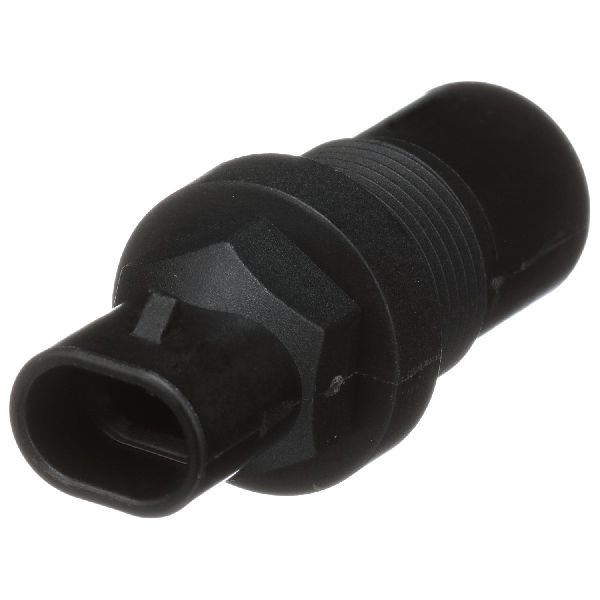
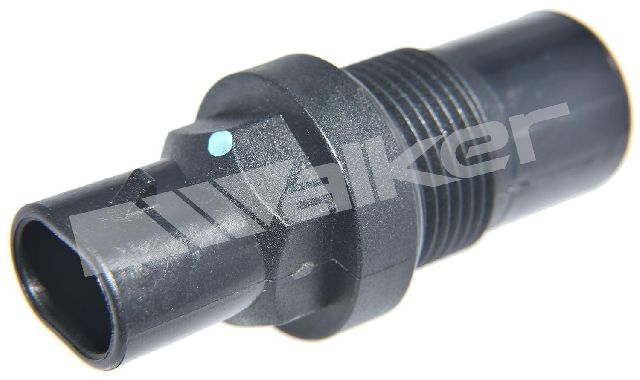
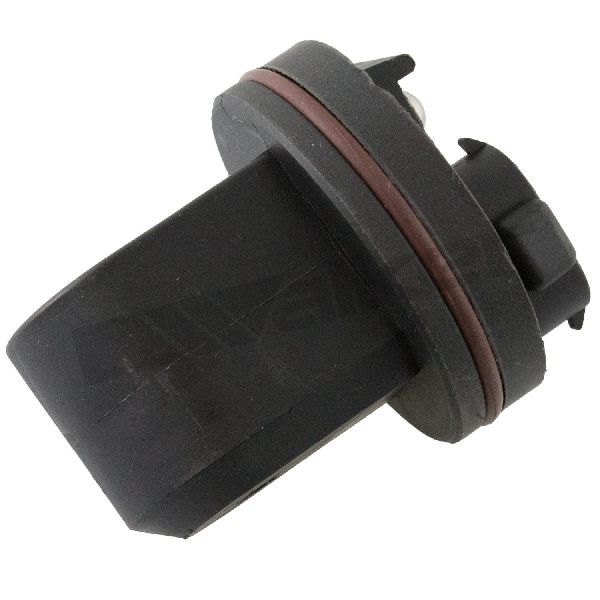
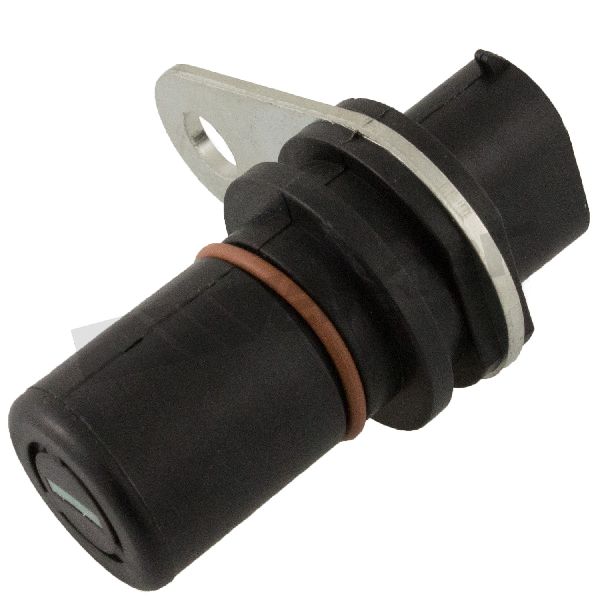
Location: Transmission tail shaft (2WD) or Transfer case output housing (4WD). Connector Type: 2-pin electrical connector. Drive Type: Typically a plastic gear driven by the output shaft.
We Have This Part in Stock


The information in this article is provided for general reference and educational purposes only. Vehicle specifications, procedures, and part compatibility can vary by production date, trim level, and region. Always consult your vehicle's factory service manual and verify part numbers before purchasing or performing repairs. Safety-critical components such as airbags, seat belts, and braking systems should be installed by a qualified professional.
- GMC Yukon:
- 🛍️ Shop This Part
- Symptoms of a Failing Vehicle Speed Sensor
- Understanding Your Yukon's VSS (1992-2002)
- Pro Tip: Location, Location, Location
- Choosing the Right Aftermarket VSS Brand
- Tier 1: OEM-Quality Brands
- Tier 2: Solid Aftermarket Choices
- Tier 3: Budget-Friendly Options
- A Note on Aftermarket Electronics
- Cost of Replacing a Vehicle Speed Sensor
- Frequently Asked Questions (FAQ)
- 🎟️ Get 5% Off