

Hyundai Elantra Spark Plug Guide for 1992-2002 Models
Keep your first or second-generation Elantra running smoothly by understanding its spark plug needs.
- Check for oil in the spark plug wells; if present, you must replace the valve cover gasket and tube seals.
- OEM-equivalent brands like NGK and Denso are highly recommended for reliability in your Elantra.
- Standard copper plugs are affordable and work well, but iridium offers longer life.
- Always verify the spark plug gap is 0.044 inches before installation.
Signs of Failing Spark Plugs in Your Elantra
When your Elantra's spark plugs start to wear out, you'll likely notice a few key symptoms. A rough idle, where the engine shakes or sputters when you're stopped, is a common sign. You might also feel the engine hesitate or stumble during acceleration, making the car feel sluggish. Other indicators include difficulty starting the engine, reduced fuel economy, and the check engine light coming on with a misfire code (like P0300, P0301, P0302, etc.).
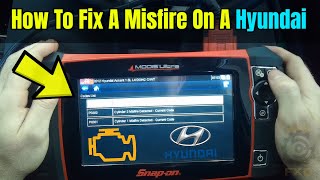
🎬 Watch this video for DIY tips on diagnosing an engine misfire.A Common Related Issue: Oil in Spark Plug Wells
For the 1996-2002 Elantra with the Beta engine, a very common problem is a leaking valve cover gasket or spark plug tube seals. This allows oil to seep into the spark plug wells, which can ruin the spark plug and the spark plug wire, causing a persistent misfire. If you find oil when you pull out a spark plug wire, you must replace the valve cover gasket and tube seals along with the plugs and wires to fix the problem permanently.
🎬 See how to replace the valve cover gasket and tube seals.Choosing the Right Aftermarket Spark Plugs
For the 1992-2002 Elantra, you don't need to buy expensive OEM-branded plugs from a dealer to get good quality. The original suppliers for Hyundai are often NGK and Champion, and many aftermarket brands offer excellent performance. The most important thing is to choose a reputable brand and the correct plug type for your car.
Brand Quality Tiers
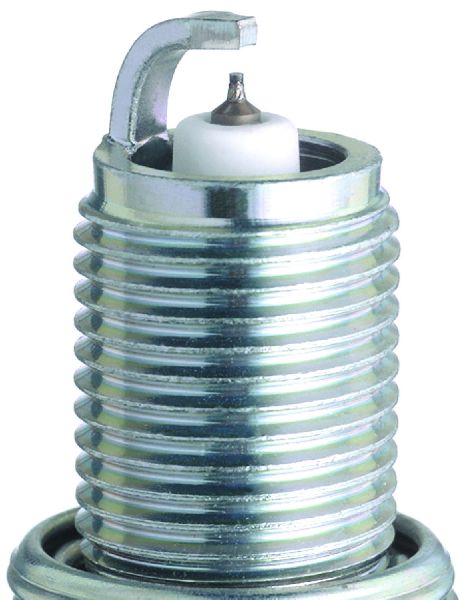
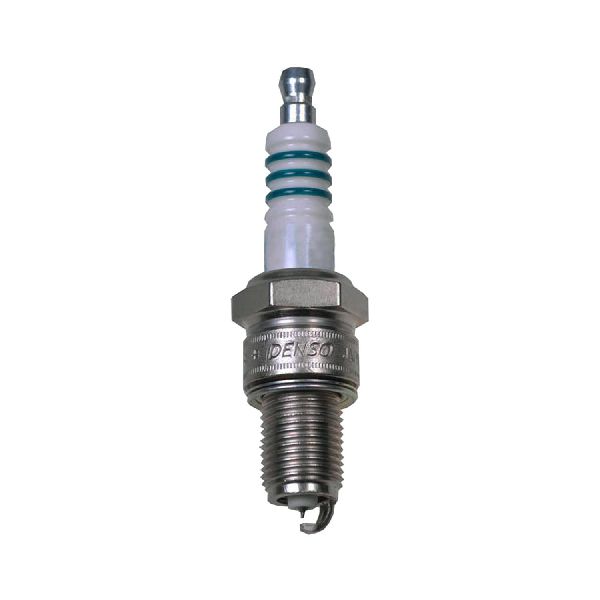
- Premium / OEM-Equivalent (NGK, Denso): These brands are widely considered top-tier and are often the original equipment manufacturer for many Japanese and Korean cars. Brands like NGK and Denso offer standard copper plugs, as well as longer-lasting platinum and iridium versions that can be a good upgrade. Many owners and mechanics strongly recommend sticking with NGK or Denso for the best reliability.
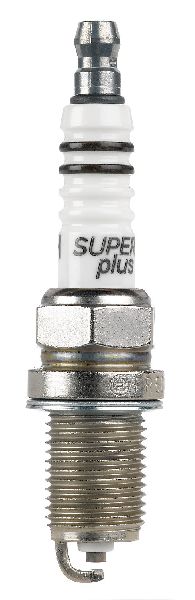
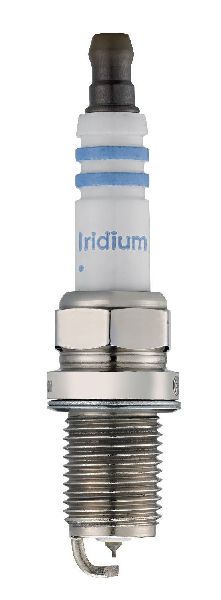
- Reliable Mid-Range (Bosch, Autolite): Bosch and Autolite are well-known brands that produce quality spark plugs. They offer a range of options from basic copper to advanced iridium plugs that provide good performance and value.
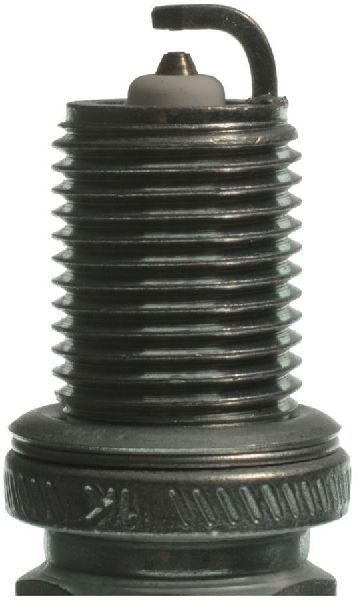
- Standard / Budget (Champion, Accel, ACDelco): Champion was an original equipment supplier for some Hyundai models and their standard copper plugs are a reliable, budget-friendly choice that meets factory requirements. Accel and ACDelco also provide functional, standard replacement options.
Pro Tip: For this generation of Elantra, standard copper or nickel plugs (like NGK V-Power or Champion Copper Plus) work perfectly well and are very affordable. Long-life iridium plugs are a good option if you want to extend the time between changes, but they are not required for proper engine operation.
Cost of Replacing Spark Plugs
| Item | Estimated Cost |
|---|---|
| New Aftermarket Spark Plugs (Set of 4) | $14 - $85 |
| Shop Labor | $75 - $150 |
| Total (DIY) | $14 - $85 |
| Total (Installed at Shop) | $89 - $235 |
Frequently Asked Questions
How often should I change the spark plugs on my 1992-2002 Elantra?
For standard copper or nickel spark plugs, a good interval is every 30,000 miles. If you upgrade to platinum or iridium plugs, you can often go 60,000 to 100,000 miles, but always check the manufacturer's recommendation. Given the age of the vehicle, inspecting them more frequently is a good idea.
What is the correct spark plug gap?
The spark plug gap is critical for performance. For most 1992-2002 Elantras, the recommended gap is 0.044 inches (1.1mm). While many plugs come pre-gapped, you should always double-check and adjust the gap with a feeler gauge or gapping tool before installation.
Do I need special tools to change my spark plugs?
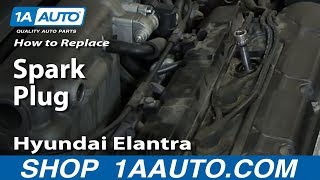
You will need a ratchet, a socket extension, and a dedicated spark plug socket (usually 5/8" or 16mm). A torque wrench is highly recommended to tighten the new plugs correctly and avoid damaging the engine's cylinder head. 🎬 Watch this step-by-step guide on how to install new spark plugs. Applying a small amount of anti-seize compound to the new plug's threads is also a good practice.
What's the difference between the first and second generation Elantra spark plugs?
The first generation (1992-1995) used a 1.6L or 1.8L Mitsubishi-designed engine. The second generation (1996-2002) used Hyundai's own 1.8L or 2.0L Beta engine. While the replacement procedure is similar (plugs and wires), the specific part numbers for the spark plugs may differ. Always confirm the part fits your exact year and engine size before purchasing.
Helpful Videos

Technical Specifications
OEM Part Numbers: 27410-23700 18814-11051
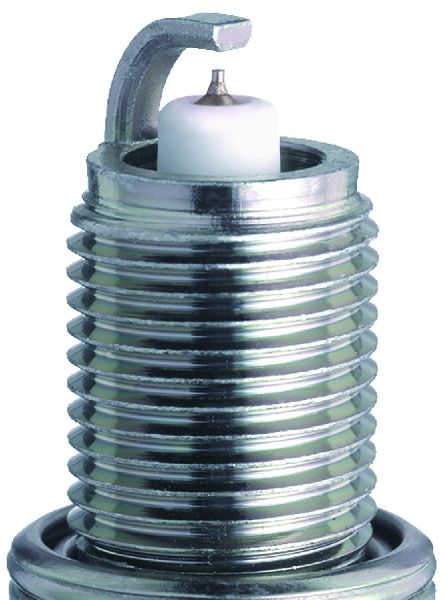
For most 1992-2002 models, the recommended spark plug is a resistor-type with a 14mm thread, 5/8" (16mm) hex, and a 0.044" (1.1mm) gap. Common part numbers include NGK BKR5ES-11 and Champion RC10YC4.
We Have This Part in Stock

The information in this article is provided for general reference and educational purposes only. Vehicle specifications, procedures, and part compatibility can vary by production date, trim level, and region. Always consult your vehicle's factory service manual and verify part numbers before purchasing or performing repairs. Safety-critical components such as airbags, seat belts, and braking systems should be installed by a qualified professional.
- Hyundai Elantra: