

Isuzu Trooper Oxygen Sensor Guide for 1992-2002 Models
Choosing the right oxygen sensor is critical for your Trooper's performance and fuel economy.
- For reliable performance, choose a direct-fit oxygen sensor from Denso or NGK (NTK).
- The biggest challenge is removing the old sensor, which is often seized by rust; use penetrating oil.
- Verify the correct part for the specific location (e.g., Bank 1 Upstream) before ordering.
- Do not use 'universal' sensors that require cutting and splicing wires.
Signs of a Failing Oxygen Sensor
A bad oxygen sensor in your Trooper won't leave you stranded, but it will cause noticeable problems. The engine's computer gets bad information and can't create the right air-fuel mixture. Look out for these common symptoms:
- Check Engine Light: This is the most common sign. A code reader will often show codes in the P0130-P0167 range, like P0136 (Bank 1, Sensor 2 Malfunction). 🎬 Watch this guide on how to fix a P0136 code.
- Poor Fuel Economy: A faulty sensor can cause the engine to run too rich, burning more fuel than necessary.
- Rough Idle and Misfires: Incorrect fuel mixture can lead to a shaky idle, engine hesitation, or misfires.
- Failed Emissions Test: With the air-fuel ratio out of balance, your Trooper will produce more pollutants and will not pass a smog check.
- Rotten Egg Smell: In some cases, an extremely rich mixture can overwhelm the catalytic converter, producing a sulfur or rotten egg smell from the exhaust.
Choosing the Right Aftermarket Oxygen Sensor
When it comes to oxygen sensors for a 1992-2002 Isuzu Trooper, not all aftermarket brands are created equal. Using a low-quality or incorrect sensor can lead to persistent Check Engine Lights and performance issues. Owner forums and mechanic recommendations are very clear on this. It is highly recommended to use a Direct-Fit sensor, not a universal one that requires splicing wires.
Brand Quality Tiers
Based on real-world performance in Isuzu trucks, brands can be grouped into tiers:
- Tier 1 (OEM-Level, Highly Recommended): Denso, NGK (also sold as NTK)
These brands are the original equipment manufacturers for many Japanese vehicles, including Isuzu. Choosing a Denso or NGK/NTK sensor is the safest way to ensure compatibility, proper performance, and avoid follow-up issues. Many forum users who tried other brands to save money ended up buying a Denso or NTK later to fix the problem. - Tier 2 (Reputable Aftermarket): Bosch, Delphi, Walker Products
Bosch is a massive sensor manufacturer that invented the O2 sensor, but their aftermarket sensors have a mixed reputation on Japanese vehicles. While they may work fine, some Trooper owners report issues. Delphi and Walker are established aftermarket brands that offer a balance of quality and price. - Tier 3 (Economy): DriveWire, Hella
These brands offer the lowest price point. They can be a viable option for a budget repair, but carry a higher risk of not performing exactly to OEM specifications, which can be problematic for the Trooper's sensitive ECU.
Pro Tip: Upstream vs. Downstream
Be sure to order the correct sensor for the position you are replacing. OBD-II models (1996-2002) have at least two, and often four, sensors. Upstream (before the catalytic converter) and downstream (after the converter) sensors are not interchangeable. Always verify the part number for the specific location.
Known Issues & Installation Tips
The single most common problem when replacing an O2 sensor on an older Trooper is the original sensor being seized in the exhaust pipe due to rust and years of heat cycles. It can be extremely difficult to remove.
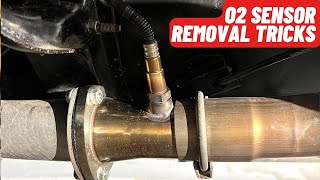
🎬 See these professional tips for removing a stuck oxygen sensor.- Use Penetrating Oil: Liberally spray the base of the old sensor with a quality penetrating oil (like PB Blaster or Kroil) and let it soak. It's best to do this when the exhaust is cool, and you may need to apply it multiple times over a day or two before attempting removal.
- Get the Right Tool: Use a dedicated O2 sensor socket. This is a socket with a slot cut out for the wire to pass through. It provides a much better grip than a standard wrench and reduces the chance of rounding off the sensor.
- Heat Can Help: If it's still stuck, running the engine for a few minutes to heat up the exhaust pipe can help break it free. Be extremely careful working around a hot exhaust. 🎬 Watch this ultimate method for removing the most stubborn seized sensors.
Frequently Asked Questions
How many oxygen sensors does my 1992-2002 Trooper have?
It depends on the year. Pre-1996 (OBD-I) models typically have one or two sensors. 1996 and newer (OBD-II) models have up to four: two upstream (Bank 1 and Bank 2) and two downstream. Bank 1 is on the side of the engine with cylinder #1 (typically the driver's side on the V6).
Why shouldn't I just buy the cheapest sensor available?
The Trooper's engine computer is calibrated to the specific voltage signals and response times of the original sensors. Cheaper, lower-quality sensors may not operate within these exact tolerances, leading to a persistent Check Engine Light, poor fuel economy, and running issues, even with a brand new part.
The code is for one bad sensor. Should I replace them all?
You only need to replace the sensor that has failed. However, if your Trooper has high mileage (over 100,000 miles), the other sensors are likely near the end of their service life as well. If one has failed, another may fail soon. If you have the budget, replacing them in pairs (both upstream or both downstream) is good preventative maintenance.
Can I clean my old oxygen sensor instead of replacing it?
While some people attempt to clean O2 sensors, it is not a reliable or recommended repair. The sensing element can become contaminated internally from things like oil or antifreeze, which cannot be cleaned off. Replacement is the only guaranteed fix.
Helpful Videos
Technical Specifications
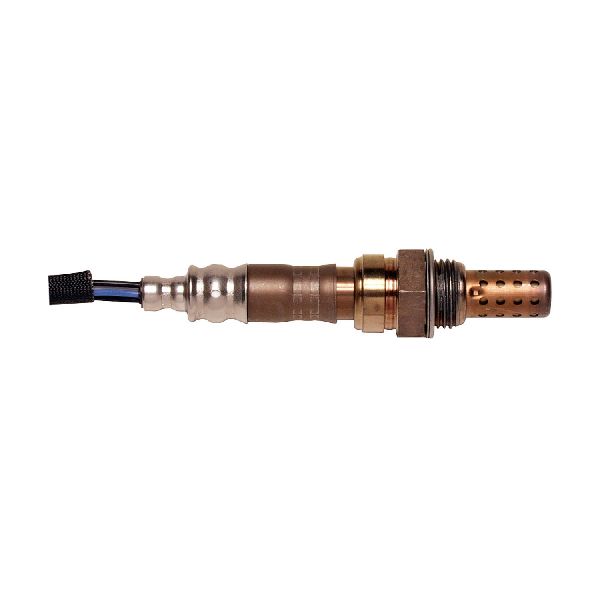
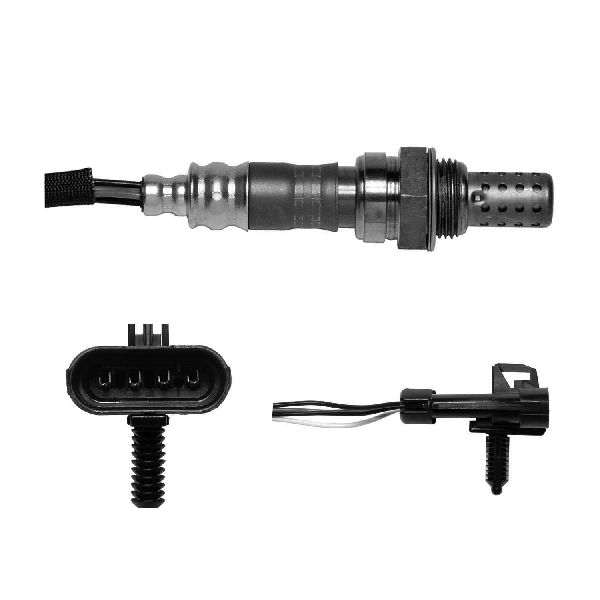
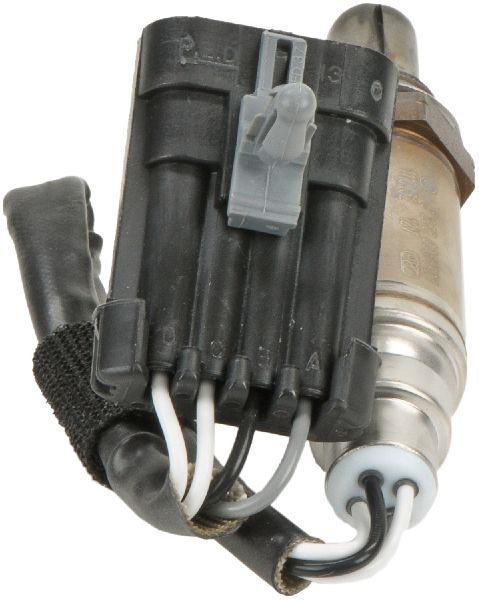
Varies significantly by year, engine (3.2L vs 3.5L), and sensor position (Upstream/Downstream, Bank 1/2). All are heated, 4-wire sensors. Thread size is typically M18x1.5. Always verify part number with your vehicle's specific details before purchase.
We Have This Part in Stock

The information in this article is provided for general reference and educational purposes only. Vehicle specifications, procedures, and part compatibility can vary by production date, trim level, and region. Always consult your vehicle's factory service manual and verify part numbers before purchasing or performing repairs. Safety-critical components such as airbags, seat belts, and braking systems should be installed by a qualified professional.
- Isuzu Trooper: