

A Guide to Replacing Engine Head Bolts on a 1992-2002 Mercury Cougar
Don't get the wrong parts; here's how to choose the right new head bolt set for your Cougar's specific engine.
- Always replace head bolts when changing a head gasket; they are single-use Torque-to-Yield (TTY) bolts.
- The 1992-1997 and 1999-2002 Cougars use completely different engines; verify your engine (3.8L V6, 4.6L V8, 2.0L I4, or 2.5L V6) before buying.
- Quality aftermarket brands like Victor Reinz and Pioneer offer reliable, OEM-spec parts that are a cost-effective alternative to dealer parts.
- Proper installation, including cleaning bolt threads and using a torque angle gauge, is critical for a successful repair.
Why Replace Head Bolts?
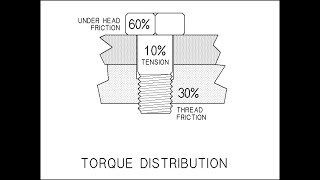
You typically only replace engine cylinder head bolts when you are replacing a head gasket. On modern engines like those in the 1992-2002 Cougar, the head bolts are almost always "Torque-to-Yield" (TTY) fasteners. This means they are designed to be tightened to a specific torque and then stretched a certain amount by turning them an additional angle. This stretching process provides a very accurate clamping force but permanently deforms the bolt. 🎬 See a mechanic explain how torque-to-yield hardware works. Because they are permanently stretched, they are a one-time-use part and must be replaced to ensure a proper seal and avoid future head gasket failure.
Engine Differences are Critical
The 1992-2002 model years cover two very different versions of the Mercury Cougar with completely different engines. It is essential to order the correct bolt set for your specific vehicle.
- 1992-1997 Mercury Cougar (MN12 Platform): This rear-wheel-drive generation primarily used a 3.8L V6 and the 4.6L Modular V8. The 3.8L V6, in particular, was known for head gasket issues, making head bolt replacement a common job for these cars. The 4.6L V8 is a well-known Ford engine used in many vehicles.
- 1999-2002 Mercury Cougar (FWD Platform): This final generation was a front-wheel-drive sport compact. It used a 2.0L Zetec I4 or a 2.5L Duratec V6 engine. These engines share nothing in common with the earlier V8 and V6, and their head bolts are completely different.
Known Issues and Recalls
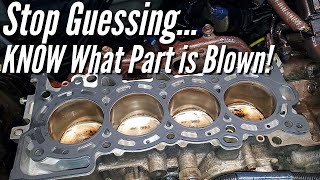
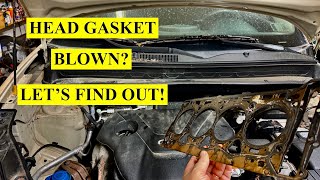
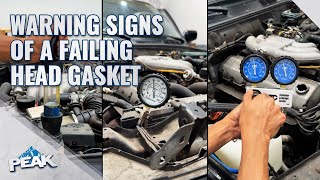
No specific recalls or Technical Service Bulletins (TSBs) were found for the head bolts themselves. However, problems requiring their replacement are well-documented. Blown head gaskets are a known issue, especially on the 3.8L V6 from the 90s and can occur on other engines as well. Symptoms are often related to a failing head gasket, which is the reason for the repair. 🎬 Watch: 3 quick tests to confirm a blown head gasket. There were several recalls for the 1999-2002 models related to engine stalling and electrical issues, but none directly implicated the cylinder head bolts.
Choosing the Right Aftermarket Head Bolts
For a critical, one-time-use part like a TTY head bolt, you don't want to cut corners. However, high-quality aftermarket parts are a reliable and cost-effective choice.
- OEM vs. Aftermarket: For this part, a quality aftermarket brand is often equivalent to the original equipment (OEM) part. Brands like Victor Reinz are known OEM suppliers for many car manufacturers and offer the same quality in their aftermarket parts. The most important factor is following the correct installation and torque sequence, not necessarily using a dealer-sourced part.
- Brand Quality Tiers:
- Premium/Performance (Edelbrock): Edelbrock is a performance brand. Their hardware is typically high-strength, often made from materials like chromoly steel, and designed for modified engines with higher cylinder pressures. For a stock 4.6L V8, this is excellent quality but may be overkill for a daily driver.
- OEM-Quality (Victor Reinz): Often referred to as Reinz, this brand is a trusted OEM supplier. Their bolts are manufactured to meet or exceed carmaker specifications and are a safe, reliable choice for any stock engine repair.
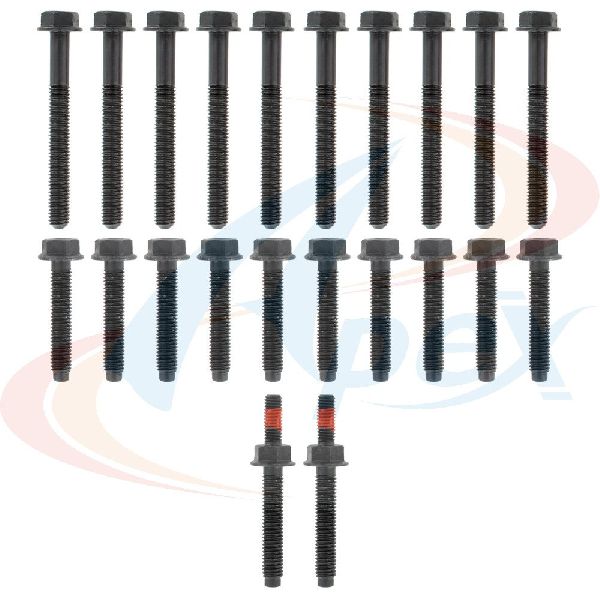
- Standard Aftermarket (Apex, Pioneer): Pioneer and Apex are well-known aftermarket brands that provide parts meeting OEM specifications. They are a dependable option for standard engine rebuilds and offer a good balance of quality and value.
| Brand Tier | Example Brands | Estimated Price Range |
|---|---|---|
| Standard Aftermarket | Apex, Pioneer Cable | $35 - $65 |
| OEM-Quality | Victor Gaskets (Reinz) | $50 - $80 |
| Performance | Edelbrock | $75 - $98+ |
Frequently Asked Questions (FAQ)
Can I reuse my old head bolts?
No. The head bolts on all 1992-2002 Cougar engines are Torque-to-Yield (TTY). They are designed to stretch permanently during installation and cannot provide the correct clamping force if reused. Reusing them will almost certainly lead to a failed head gasket.
Do I need special tools to install head bolts?
Yes. You will need a quality torque wrench and a torque angle gauge. The bolts are first tightened to a specific foot-pound specification, and then turned an additional number of degrees. The angle gauge is necessary for this final, critical step.
🎬 Watch: How to use a torque angle gauge for installation.What's the difference between TTY bolts and regular bolts?
Regular bolts are tightened to a specific torque and operate within their elastic range, meaning they can be reused. TTY bolts are tightened past their elastic range into their 'yield' zone, causing them to stretch permanently. This provides a more precise and consistent clamping force, which is critical for modern aluminum and cast iron engines.
Do the bolt kits come with washers?
It depends on the kit and the specific engine. Some engine designs use integrated washers on the bolts, while others require separate hardened washers. Check the product description for the kit you are buying to see if washers are included if your engine requires them.
Helpful Videos
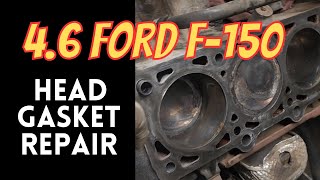
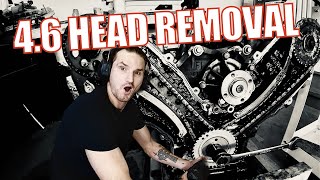
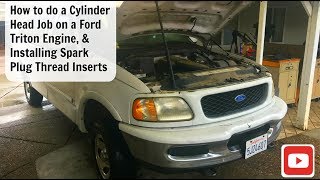
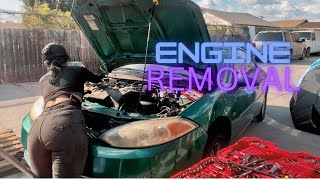
Technical Specifications
OEM Part Numbers: 4F1Z-6065-AB W500034-S309
The key specification is ensuring the bolt set matches your Cougar's specific year and engine (e.g., 1997 4.6L V8 vs. 2001 2.5L V6). All are Torque-to-Yield (TTY) design.
We Have This Part in Stock


The information in this article is provided for general reference and educational purposes only. Vehicle specifications, procedures, and part compatibility can vary by production date, trim level, and region. Always consult your vehicle's factory service manual and verify part numbers before purchasing or performing repairs. Safety-critical components such as airbags, seat belts, and braking systems should be installed by a qualified professional.
- Mercury Cougar: