

A Guide to Replacing the Automatic Transmission Mount on a 1992-2002 Pontiac Firebird
Stop the clunks and vibrations in your F-Body Firebird by choosing the right transmission mount.
- A clunking noise when shifting or accelerating is the most common symptom of a failed mount.
- Choose a polyurethane mount (Prothane, Daystar) for durability and performance, but expect much more cabin vibration.
- Choose a standard rubber mount for a quiet, comfortable ride, but be wary of budget brands like Anchor and DEA which have a reputation for poor quality.
- This is a simple DIY replacement that can be done in under an hour with basic tools.
Is Your Firebird's Transmission Mount Failing?
The transmission mount on the 4th Generation Firebird is a simple rubber and metal part that wears out over time. Heat from the exhaust and transmission, combined with engine torque, causes the rubber to crack, tear, and eventually separate. When it fails, you'll notice some distinct problems.
Common Failure Symptoms:
- Clunking or Banging Noises: A loud clunk when you shift from Park to Drive or Reverse is a classic sign. You might also hear banging sounds from under the car when you accelerate or let off the gas. This is the sound of the transmission lifting and hitting the floor pan or crossmember.
- Excessive Vibrations: If the rubber mount is worn, it can't absorb drivetrain vibrations anymore. You'll feel a new or increased vibration through the floor, seat, or steering wheel, especially when accelerating.
- Shifter Movement: While more obvious on manual cars, you may notice the automatic shifter console area move or make noise as the entire transmission shifts under load.
Pro Tip: You can easily check the mount. With the car safely on jack stands, look at the mount located where the transmission meets the crossmember. If you see torn or separated rubber, it needs to be replaced. You can also use a pry bar to gently check for excessive movement.
Choosing the Right Aftermarket Mount: Rubber vs. Polyurethane
When shopping for a new mount, you have two main choices: a standard rubber mount (like the original) or a performance polyurethane mount. Your driving style and tolerance for noise will determine the best option for your Firebird.
Tier 1: Polyurethane Performance Mounts
Brands: Prothane, Daystar, Energy Suspension
Polyurethane (often called "poly") is a hard plastic that is much more durable than rubber. These mounts are designed for performance driving and high-horsepower cars.
- Pros: Extremely durable, significantly reduces drivetrain movement for a more connected and responsive feel, and resistant to oil and chemicals.
- Cons: The main drawback is a major increase in Noise, Vibration, and Harshness (NVH). You will feel more engine vibration at idle and through the RPM range. For some owners, this harshness is too much for a daily driven car.
Tier 2: Standard Rubber Replacement Mounts
Brands: Anchor, DEA, Westar, Pioneer
These mounts are designed to be direct, factory-style replacements that use rubber to provide a smooth and quiet ride.
- Pros: Inexpensive and restores the original, comfortable ride quality by effectively absorbing vibrations.
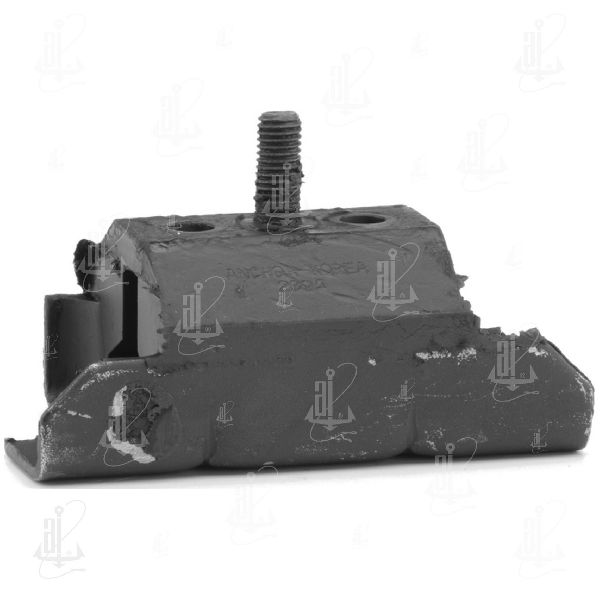
- Cons: The rubber is not as durable as polyurethane and will eventually fail again. More importantly, many Firebird and F-body owners report poor quality and short lifespans from budget-friendly brands like Anchor and DEA. While they are cheap, some fail very quickly or cause vibrations right out of the box.
A Note on Quality: While budget rubber mounts are available, forum discussions among Firebird owners often advise against the cheapest options like Anchor and DEA due to frequent premature failures. If you want to maintain a quiet, comfortable ride, seeking out a higher-quality OEM or premium rubber replacement is often recommended over these budget brands.
Cost of Replacing a Firebird Transmission Mount
| Part Type | Estimated Cost |
|---|---|
| Aftermarket Rubber Mount (e.g., Anchor, DEA) | $13 - $30 |
| Aftermarket Polyurethane Mount (e.g., Prothane) | $35 - $75 |
| Shop Labor | $80 - $150 |
Frequently Asked Questions
What's the real difference between a rubber and polyurethane mount?
Think of it as comfort vs. performance. A rubber mount is soft and acts like a pillow to absorb vibrations, giving you a smooth ride. A polyurethane mount is hard and acts like a brace, locking down the transmission for better performance but transferring nearly all vibrations directly into the car's cabin.
If my transmission mount is bad, should I replace my engine mounts too?
It's a good idea to inspect them. The engine and transmission mounts work together to hold the drivetrain. If one mount fails, it puts extra stress on the others, causing them to wear out faster. If your car has high mileage, replacing them all at once can save you future labor costs.
Are there any recalls for the 1992-2002 Firebird transmission mount?
No, there are no specific recalls from the NHTSA for the transmission mount on the 1992-2002 Pontiac Firebird.
How hard is it to replace the transmission mount myself?
This is a very DIY-friendly job. It typically takes less than an hour with basic hand tools. The process involves supporting the transmission with a jack, unbolting the crossmember, and swapping the mount.
Technical Specifications
OEM Part Numbers: 22174970
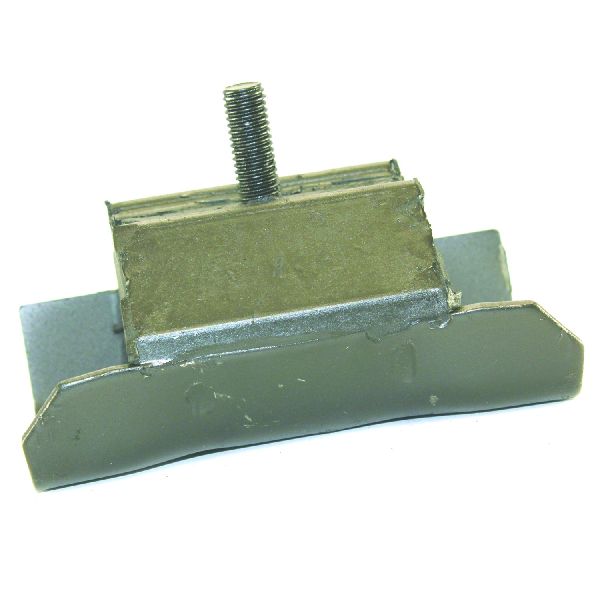
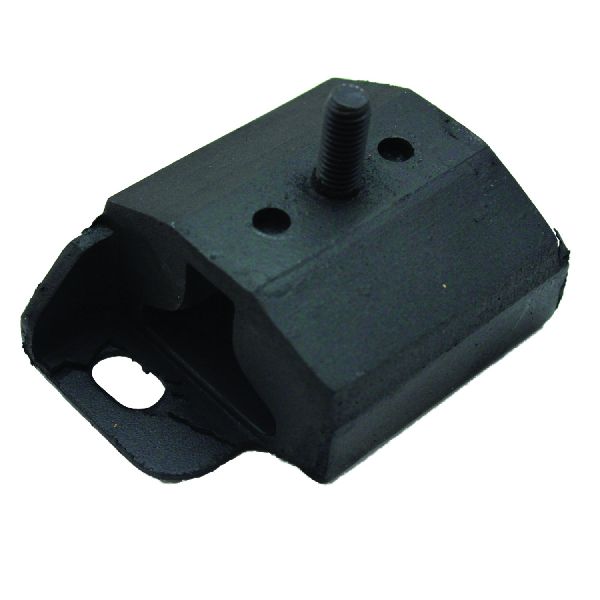
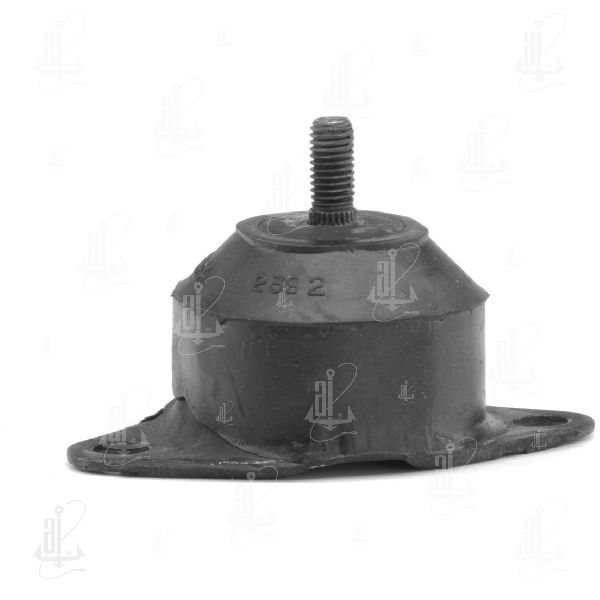
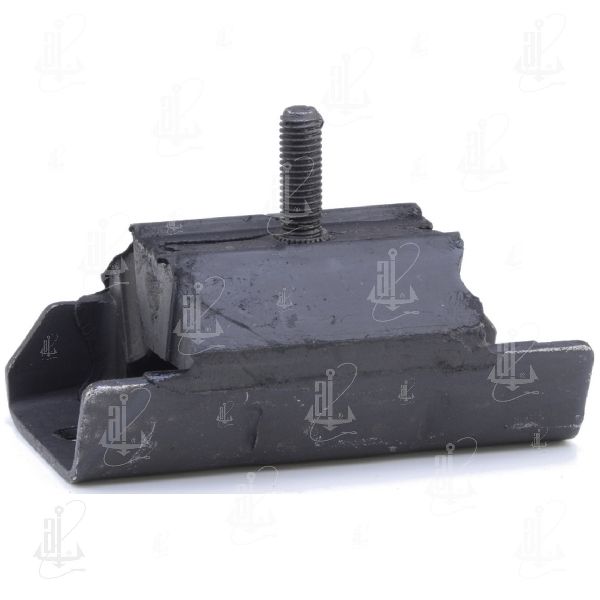
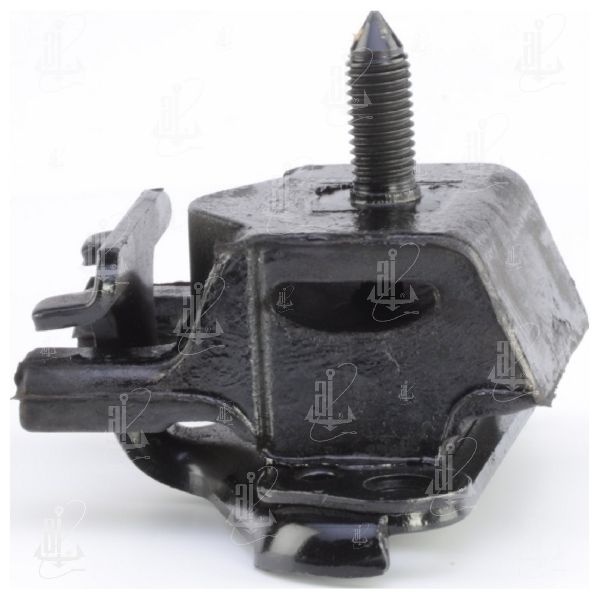
The mount consists of a metal base plate, a rubber or polyurethane insulator, and a top mounting plate or stud. It bolts to the transmission tailshaft housing and the transmission crossmember.
We Have This Part in Stock

The information in this article is provided for general reference and educational purposes only. Vehicle specifications, procedures, and part compatibility can vary by production date, trim level, and region. Always consult your vehicle's factory service manual and verify part numbers before purchasing or performing repairs. Safety-critical components such as airbags, seat belts, and braking systems should be installed by a qualified professional.
- Pontiac Firebird:
- 🛍️ Shop This Part
- Is Your Firebird's Transmission Mount Failing?
- Common Failure Symptoms:
- Choosing the Right Aftermarket Mount: Rubber vs. Polyurethane
- Tier 1: Polyurethane Performance Mounts
- Tier 2: Standard Rubber Replacement Mounts
- Cost of Replacing a Firebird Transmission Mount
- Frequently Asked Questions
- 🎟️ Get 5% Off