

Pontiac Firebird Starter Motor Guide for 1992-2002 Models
Everything a fourth-generation Firebird owner needs to know before replacing a failing starter motor.
- Heat soak is a major issue for V8 Firebirds; consider a high-torque mini-starter or a heat shield for better reliability.
- Symptoms often include a single click, slow cranking, or no crank at all, especially when the engine is hot.
- Verify your engine (V6, LT1, or LS1) before ordering, as the starters are not interchangeable across all models.
- High-performance brands like Powermaster and MSD are popular upgrades, while ACDelco offers OEM-level quality.
Is Your Firebird's Starter Failing?
A bad starter can leave you stranded. For 1992-2002 Pontiac Firebird owners, especially those with V8 engines, starter problems are a known issue. The most common complaint is 'heat soak,' where the starter gets cooked by the hot exhaust manifold right next to it. This often leads to a frustrating situation where the car starts fine when cold but won't crank over when it's hot. If you're hearing strange noises when you turn the key or the car won't start at all, it's time to look at the starter.
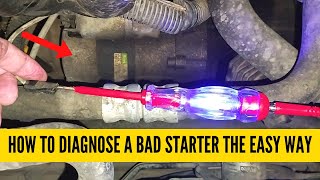
🎬 Watch: How to diagnose a bad starter the easy wayCommon Symptoms of a Bad Starter
- Single Loud Click, Then Nothing: You turn the key, hear one sharp click from under the car, but the engine doesn't turn over. This usually means the starter solenoid is engaging, but the motor itself isn't spinning.
- No Crank, No Start: You turn the key, the dashboard lights come on, but nothing happens. There's no click and no cranking sound. This can point to a completely dead starter or a bad connection.
- Slow, Labored Cranking: The engine turns over much slower than usual, as if the battery is weak. Even with a good battery, a failing starter motor can struggle to turn the engine.
- Grinding Noise: A harsh grinding sound during or after starting can mean the starter gear is damaged or not properly aligning with the flywheel.
- Hot-Start Problems (Heat Soak): The car starts perfectly when the engine is cold, but after driving and getting it up to temperature, it refuses to start until it cools down. This is a classic problem for V8 Firebirds due to the starter's location near the exhaust.
Heat Soak is a Common Firebird Issue
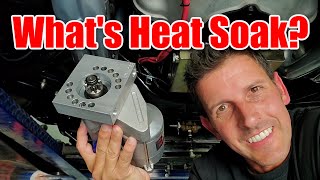
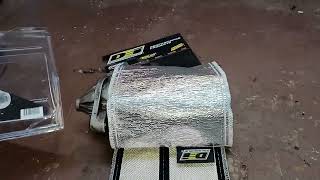
The V8 engines (LT1 and LS1) in the 1993-2002 Firebird pack a lot of heat in a tight space. The factory starter sits very close to the exhaust manifolds, and over time, this constant heat can damage the starter's solenoid and internal windings. When it gets hot, the electrical resistance increases, and the starter can't draw enough power to crank the engine. Aftermarket high-torque or mini-starters often provide better clearance and are less susceptible to this issue. Some owners also add a heat shield for extra protection.
🎬 Learn more about what causes starter heat soak and how to fix itChoosing the Right Aftermarket Starter
When your original starter fails, you have several aftermarket options. They generally fall into three tiers:
Tier 1: High-Performance / Heavy-Duty
These are for owners who want a robust solution, especially for modified engines or to permanently solve heat soak problems. They offer more cranking power (torque) and are often smaller for better clearance.
- Powermaster & MSD: These brands are very popular in the performance community. They build powerful, gear-reduction starters that spin the engine faster and are more resistant to heat soak. They are a top choice for high-compression engines or anyone tired of hot-start issues.
- Mr. Gasket: Often associated with performance and racing, offering reliable high-torque options.
Tier 2: OEM-Quality Replacement
This tier is for owners seeking a reliable, direct replacement that performs like the original without the high dealership price.
- ACDelco: As the original equipment manufacturer for GM, ACDelco parts are the benchmark for fit and function. Their 'Gold' or 'Professional' series parts are considered high-quality new replacements, not remanufactured.
Tier 3: Standard / Value-Oriented
These brands offer a cost-effective solution to get your Firebird back on the road. Quality can be a mixed bag, but they provide a functional replacement at a lower price point.
- Proform, MPA, and other store brands: These starters meet basic requirements and are widely available. They are a good budget option for a stock vehicle, though they may not have the long-term durability or heat resistance of the higher-tier brands.
Pro Tip: Consider a Gear-Reduction Starter
Many aftermarket starters, especially from brands like Powermaster and MSD, are a 'gear-reduction' design. This means they use internal gears to multiply the motor's torque, allowing a smaller, lighter starter to crank the engine with more force than the large, original unit. This is a popular upgrade for both LT1 and LS1 Firebirds.
How Much Does a New Starter Cost?
Prices vary based on the brand and type of starter you choose. Here is a general breakdown for a 1992-2002 Pontiac Firebird.
| Part Type | Typical Price Range |
|---|---|
| New Aftermarket | $71.91 - $550.43 |
| Remanufactured Aftermarket | $60 - $150 |
| New OEM (GM/ACDelco) | $125 - $360 |
| Shop Labor for Installation | $120 - $250 |
Frequently Asked Questions
Is it hard to replace the starter on a 1992-2002 Firebird?
It's a moderately difficult job for a DIY mechanic. The starter is located on the passenger side of the engine. Access is tight, and you'll need to safely lift the car on jack stands. The main challenges are working around the exhaust pipes and reaching the bolts. It typically involves removing two main bolts and a few electrical connections. It can usually be done without removing the exhaust.
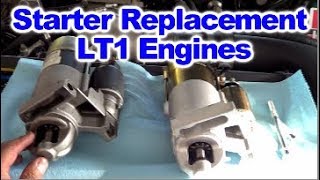
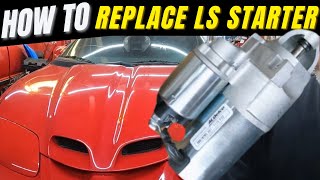
🎬 See this walkthrough for replacing a Firebird or Trans Am starterDo I need a special starter for my LT1 vs. my LS1 engine?
Yes, the starters are different. The 1993-1997 Firebird with the LT1 V8 uses a different starter than the 1998-2002 Firebird with the LS1 V8. They mount differently and are not interchangeable. Always verify you are buying the correct part for your specific year and engine (V6, LT1 V8, or LS1 V8).
What's the difference between a new and a remanufactured starter?
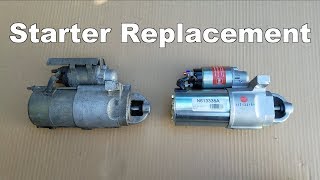
A new starter is made with 100% new components. A remanufactured starter has been completely disassembled, cleaned, and worn or broken parts are replaced before being reassembled and tested. While remanufactured units are cheaper, new aftermarket starters from reputable brands often offer better reliability and a longer warranty.
Were there any recalls for the Firebird starter?
No, searches of the National Highway Traffic Safety Administration (NHTSA) database show no recalls specifically for the starter motor on 1992-2002 Pontiac Firebirds.
Helpful Videos
Technical Specifications
OEM Part Numbers: 10465143 (LT1) 19136222 (LT1) 10465385 (LS1) 12574859 (LS1) 89017715 (V6)
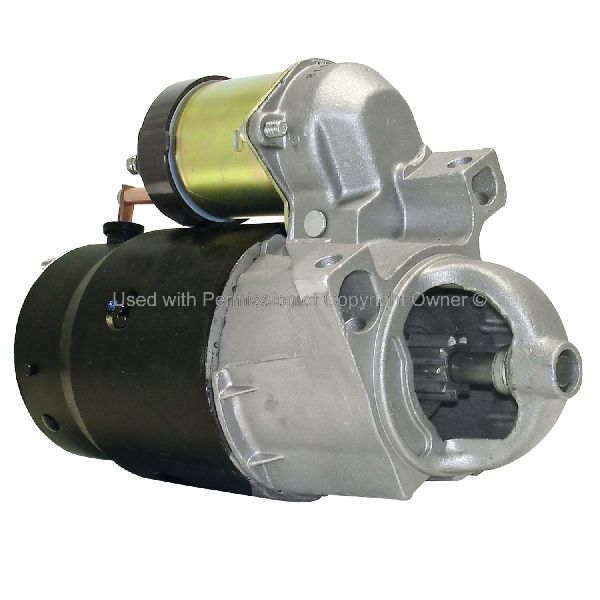
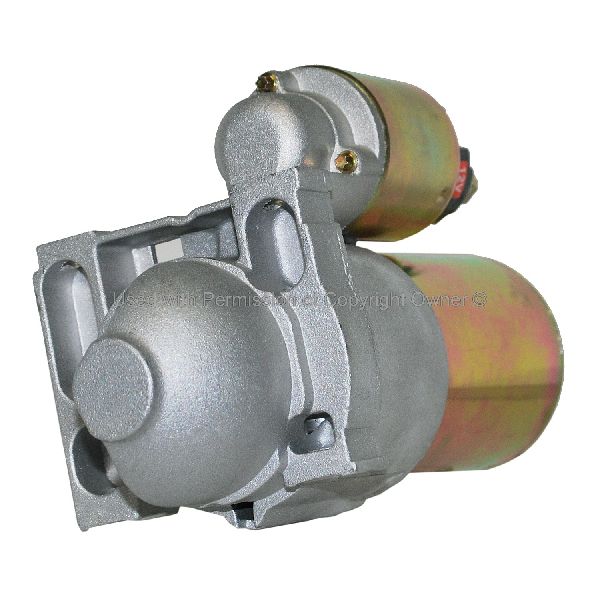
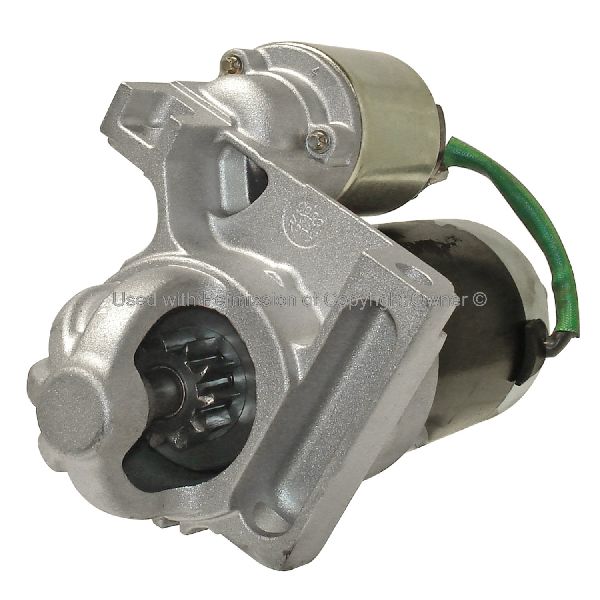
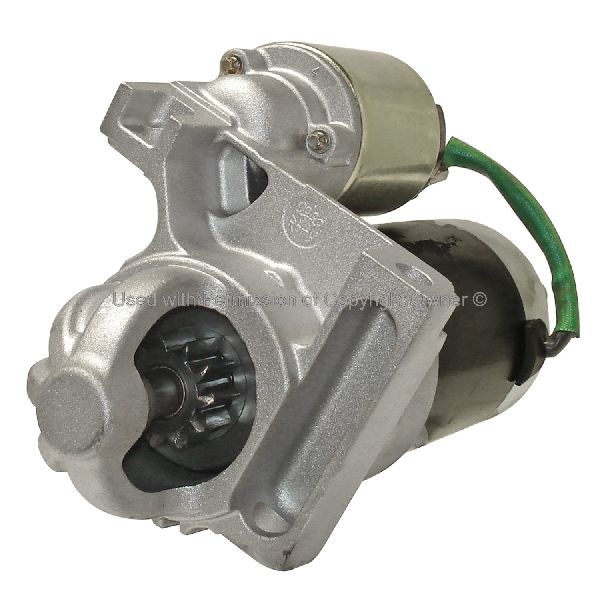
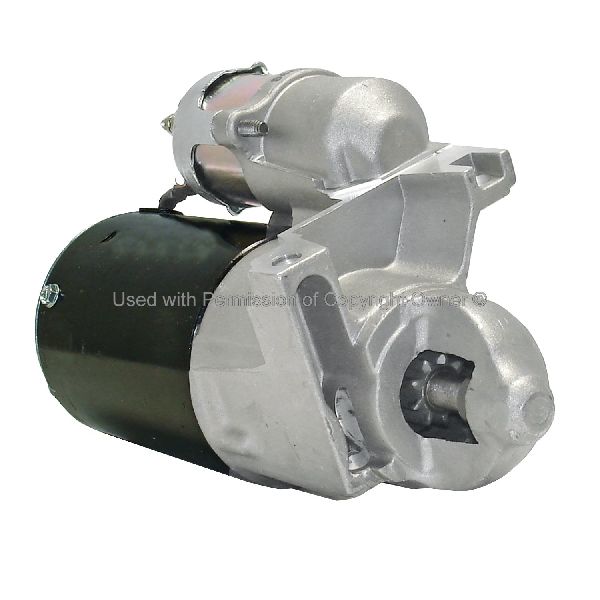
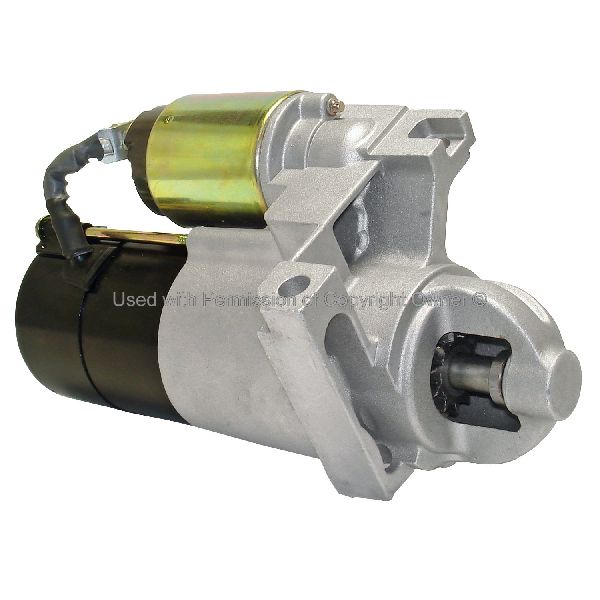
Varies by engine. LT1 (93-97) and LS1 (98-02) V8 engines use different starters. V6 models also use a specific starter. Most are 12-volt, with gear reduction designs common in aftermarket performance units.
We Have This Part in Stock

The information in this article is provided for general reference and educational purposes only. Vehicle specifications, procedures, and part compatibility can vary by production date, trim level, and region. Always consult your vehicle's factory service manual and verify part numbers before purchasing or performing repairs. Safety-critical components such as airbags, seat belts, and braking systems should be installed by a qualified professional.
- Pontiac Firebird:
- 🎬 Helpful Videos
- 🛍️ Shop This Part
- Is Your Firebird's Starter Failing?
- Common Symptoms of a Bad Starter
- Heat Soak is a Common Firebird Issue
- Choosing the Right Aftermarket Starter
- Tier 1: High-Performance / Heavy-Duty
- Tier 2: OEM-Quality Replacement
- Tier 3: Standard / Value-Oriented
- Pro Tip: Consider a Gear-Reduction Starter
- How Much Does a New Starter Cost?
- Frequently Asked Questions
- 🎟️ Get 5% Off